Caleb Turner

Begin with sandpaper or a sanding block to wear down specific edges and corners. Use coarse grit (around 80) followed by finer grit (around 220) for a smooth finish. This method creates a natural worn effect that mimics age.
Next, apply a base coat of paint in a shade much lighter than your desired final color. Allow it to dry completely before proceeding. This undercoat provides depth once you apply the top layer.
After the base coat is thoroughly dry, proceed with a darker hue. Opt for a satin or matte finish, as it will enhance the antique effect. Use a brush to apply, ensuring random strokes for an authentic uneven appearance.
Once the paint is dry, take a fine-grit sandpaper or a damp cloth to selectively distress areas that would naturally wear over time. Pay attention to curves, handles, and joints where wear is more prominent.


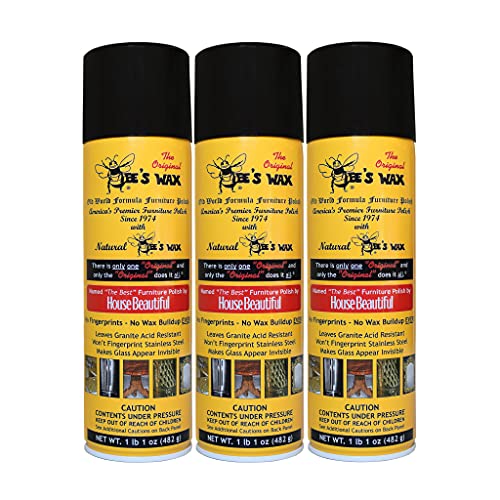
To seal the process, finish with a clear wax or a polyurethane coat. This not only protects the surface but also adds a subtle sheen, giving it character while enhancing the overall effect.
Achieving a Weathered Appearance on Timber Pieces
I recommend using a combination of sanding, painting, and distressing techniques to create an authentic aged effect. Start with a light sanding of the surface to remove any gloss and open up the grain. This creates a better surface for paint adhesion.
Next, choose a base color that mimics the look of aged timber. Apply it liberally and allow it to dry completely. Once dry, use a contrasting topcoat with a lighter shade and apply it sparingly, focusing on areas where natural wear would occur, like edges and corners.
Distressing Techniques
For further authenticity, employ some of the following methods:
- Sandpaper: Use a coarse grit to wear away paint in specific areas. Focus on high-contact spots.
- Chain or Hammer: Lightly hit the surface with these tools to create small dents and dings, mimicking years of use.
- Stain: After distressing, apply a wood stain to deepen crevices and give the appearance of age.
Finishing Touches
A final protective coat of polyurethane can help to seal your work and add durability without compromising the aesthetic. For added dimension, consider using a stain-wax finish that enhances the texture of the bare timber.
| Technique | Tools Needed | Effect |
|---|---|---|
| Sanding | Sandpaper | Removes gloss, opens grain |
| Hammering | Hammer or Chain | Creates character marks |
| Staining | Wood Stain | Deepens color, enhances grain |
This method ensures your pieces reflect a story of use, adding charm and character to your space.
Selecting the Right Type of Timber for Ageing Techniques
For achieving a weathered appearance, I prefer softer species like pine or poplar. These timbers accept distressing methods easily, allowing for more significant impact with minimal effort. Their natural grain patterns also lend to a rustic aesthetic.
Alternative Choices
Oak and maple are strong contenders as well. With a bit more effort, you can manipulate their surfaces for a rugged effect. Oak, known for its prominent grain, offers a classic, robust finish, while maple provides a smoother surface that can be enhanced with aging techniques.
Considerations for Selection
Evaluate the intended project. If durability is key, opt for hardwoods like hickory or walnut, which can withstand the rigors of daily use while still being altered for an antiqued feel. Test patches can help ascertain how well a particular timber reacts to the desired ageing processes.
Keep in mind the final finish you envision. For a shabby chic vibe, lighter grains may work best, while darker varieties can portray a more rustic charm. Each selection impacts the overall aesthetics and can transform an ordinary piece into something extraordinary with the right touch.
Preparing Your Wood Surface for Distressing
I recommend cleaning the surface thoroughly to remove any dust, dirt, or grease. A damp cloth works well, but ensure the area dries completely before proceeding.
Next, sand the surface using medium-grit sandpaper to eliminate imperfections. This step not only smooths the texture but also opens up the grain, allowing later treatments to penetrate more effectively.
If the piece has a previous finish, consider stripping it down. A chemical stripper can facilitate this process, making sure to follow safety precautions and manufacturer instructions. After stripping, sand the surface again to ensure it’s ready for further treatment.
Once the surface is clean and smooth, I find applying a pre-stain conditioner beneficial. This helps to achieve a uniform absorption, resulting in a more even appearance once color is applied.
Before moving to the next step, take time to test your chosen color on a small, inconspicuous area. This way, you can evaluate the effect and make adjustments if necessary prior to committing fully.
Choosing the Best Tools for Distressing Techniques
For achieving a convincing aged appearance, I recommend specific implements tailored to various manipulative methods. Selecting suitable tools greatly influences the final outcome.
- Sanding Sponge: Ideal for smooth surfaces. This flexible tool conforms to contours, allowing for an even application while removing finish and creating texture.
- Wire Brush: A stiff-bristled brush works wonders in creating deep grooves and wear marks. Its strength enables effective distressing in incorporated areas.
- Palm Sander: Excellent for quicker wear, particularly on larger panels. Use this tool with fine grits for minimal material loss while enhancing the aged effect.
- Chisel: For those aiming for a more crafted approach, a chisel helps carve out specific shapes and adds unique character. Precision is key here.
- Chain or Hammer: To add random dings and indentations, a chain or hammer offers a simple yet impactful method. Swing carefully to prevent excessive damage.
- Stain Application Tools: Choose brushes or cloths for applying stains. Different textures yield varied results; experiment with what suits your vision best.
Each tool serves a distinct purpose, so combining them according to the desired effect enhances the authenticity of the finish. I often use a combination to craft unique designs, enhancing features tailored to the piece’s character.
Applying Paint or Stain for an Aged Appearance
For achieving an antique effect, selecting the right paint or stain is crucial. I prefer using water-based products for their ease of use and quick drying times. Begin by applying a base coat; a light color works well as it allows the subsequent layers to stand out. Use a brush or a roller for an even application. Allow the base to dry completely before moving to the next step.
Layering Techniques
After the base has dried, choose a darker shade for the top coat. Apply this with a dry brush technique. This method involves barely loading the brush with paint, ensuring a subtle, worn effect. Focus on edges, corners, and raised surfaces to mimic natural wear and tear. It’s vital to work in small sections, allowing for immediate blending if needed.
Using Stains for Depth
Instead of paint, a stain can also create a rich patina. First, sand the surface lightly to enhance absorption. Apply the stain using a cloth or brush, wiping off excess with a clean rag. This process will highlight the grain, creating a more authentic aged appearance. Test different colors on scrap wood to determine the ideal shade before committing to your piece.
| Technique | Description |
|---|---|
| Dry Brush | Minimizes paint on the brush for a subtle finish on raised areas. |
| Staining | Enhances the natural grain and provides depth, ideal for achieving a vintage feel. |
| Sand and Stain | Light sanding before applying stain allows for better absorption and a more rustic look. |
Finishing touches can include a protective topcoat, which preserves the new finish while adding durability. Select a matte or satin finish to maintain an authentic appearance. Avoid high-gloss options as they can detract from the aged aesthetic.
Techniques for Creating Scratches and Dents
To achieve authentic imperfections, I prefer using a few specific methods. One effective approach is to take a hammer and lightly tap various areas of the surface. Use different parts of the hammer, like the claw or the head, to create diverse shapes and depths.
Another technique involves using a set of various tools, such as screwdrivers or chisels. By dragging these tools along the surface, I can simulate wear that occurs naturally over time. Be sure to apply varying levels of pressure to mimic real-life scratches.
For dents, a simple but effective method is to use a metal ball or a round object to press firmly against the surface. This creates a concave mark that looks aged. Additionally, you can use small weights or a rubber mallet to introduce shallow depressions.
Experimenting with items like chains or metal brushes also produces interesting patterns to enhance the aged appearance. Rubbing these tools across the piece adds further texture and depth.
Incorporating heat can also be useful. I sometimes use a heat gun on low settings to soften sections of the surface slightly before using tools to apply dents and gouges. This method allows for more control and a realistic finish.
Finally, consider the age of the piece. Applying an inconsistent approach helps create an authentic look. Randomness in the depth and placement of scratches and dents is key to achieving a believable result.
Using Sanding for a Worn Finish
I recommend using a combination of coarse and fine sandpaper for achieving a weathered appearance on your item. Start with 60 or 80-grit paper to remove the finish and create deeper scratches, then progress to 120-grit to smooth out rough edges while still allowing for texture. This layered approach adds dimension and a sense of history to the surface.
Technique Overview
Begin by identifying areas that would naturally experience wear–edges, corners, and surfaces that might see frequent contact. Focus your sanding efforts on these spots to create a more authentic, aged look. Use a sanding block to maintain even pressure, ensuring consistent results. Employ circular motions and vary your angle to mimic the natural wear patterns found in older items.
Finishing Touches
After achieving the desired amount of distressing, wipe the surface with a damp cloth to remove any dust from sanding. This step prepares the surface for additional treatments, such as staining or waxing, which can enhance the character developed through sanding. For a final effect, apply a light coat of satin or matte finish to protect your masterpiece while maintaining the rustic feel.
Incorporating Natural Elements for Authenticity
To enhance the genuineness of aged pieces, incorporating natural components is key. Utilizing organic materials can augment the ambiance of your pieces significantly.
1. Adding Natural Textures
- Integrate burlap, linen, or cotton in soft furnishings to create a rustic charm that complements your pieces.
- Consider using reclaimed barn wood accents. Its history and unique grain patterns elevate the overall aesthetic.
2. Natural Finishes
- Opt for oils like tung or linseed. These not only nourish the surface but also bring out the natural beauty of grains.
- Avoid synthetic sealants; instead, explore beeswax finishes to achieve a subtle sheen while maintaining a natural feel.
By emerging textures and finishes from nature, you create a cohesive and authentic appearance, enhancing the beauty of your crafted items and ensuring they feel genuine in any setting.
Sealing Your Distressed Furniture for Longevity
Applying a protective finish is crucial to ensure the durability of your vintage-inspired pieces. Choosing the right sealant can enhance the character without hiding the unique features you’ve created.
Recommended Sealants
- Polyurethane: A popular choice for its durability and resistance to moisture. Availability in both oil-based and water-based options allows for versatility depending on the desired finish.
- Wax: This option gives a soft, natural luster. It’s easy to apply but requires regular maintenance to keep the surface protected.
- Shellac: Provides a warm, rich finish that enhances depth while offering moderate protection. It’s easy to apply and can be repaired effortlessly.
Application Techniques
- Ensure all surfaces are clean and free from dust or debris.
- Using a brush or cloth, apply a thin layer of your chosen sealant evenly.
- Allow it to dry completely according to the manufacturer’s instructions.
- Lightly sand the surface with fine-grit sandpaper between coats for better adhesion.
- Apply additional coats as necessary for desired protection and appearance.
Regular maintenance, such as reapplying the wax or cleaning with a gentle solution, will keep the surfaces in excellent condition while preserving the craftsmanship. Opt for products specifically designed for furniture to ensure compatibility and longevity.
Styling Tips for Integrating Distressed Furniture in Your Home
Incorporate contrasting pieces to enhance the character of aged items. Pair a weathered table with sleek, modern chairs to create visual tension. This combination preserves the rustic charm while adding contemporary flair.
Use a neutral color palette for surrounding decor. Soft grays, earthy tones, or whites allow the unique traits of your antique pieces to shine. This understated backdrop keeps the focus on the details of your vintage finds.
Utilize textiles that complement the rustic aesthetic. Choose natural fabrics such as linen or cotton in muted shades. These elements help harmonize the overall design while maintaining a cozy atmosphere.
Layer textures for depth. Combine smooth surfaces like leather with rougher elements such as jute or wicker. This approach creates interest and enhances the tactile experience within your interior spaces.
Highlight special features of each piece. Arrange items to showcase decorative carvings or worn edges. Using accent lighting can draw attention to these attractive details and add warmth to the ambiance.
Incorporate greenery with vintage objects. Plants in terracotta or simple ceramic pots introduce life and freshness, balancing the rustic vibe with a natural touch.
Group similar colors or styles together. Creating clusters of your aged items creates a cohesive look, making it feel intentional rather than accidental. This strategy helps in storytelling through your decor.
Rotate placements periodically. Changing the arrangement of your rustic acquisitions keeps the space feeling dynamic and prevents it from becoming stale.
Be bold in your accessorizing choices. Mixing old and new elements can rejuvenate your decor. Use contemporary art pieces or modern lighting fixtures as focal points against the backdrop of your classic equipment.
Embrace imperfections. Allow the history of each item to be part of your design narrative, celebrating the character that comes from years of use.