Caleb Turner

Utilizing a mixture of baking soda and vinegar effectively neutralizes unpleasant odors lingering on treated surfaces. I apply a generous layer of baking soda to the affected area and then spritz it with a solution made from equal parts vinegar and water. Allow it to sit for several hours before vacuuming up the residue. This combination not only absorbs scents but also provides a gentle cleaning action without damaging the finish.
For persistent issues, consider placing bowls filled with activated charcoal near the item. Charcoal is renowned for its ability to absorb unwanted odors efficiently. I leave these bowls in place for several days, allowing them to work their magic. This method is particularly useful in enclosed spaces or small rooms where airflow may be limited.
Regular ventilation plays a significant role in the process. I open windows and position fans to circulate fresh air around the piece, which significantly aids in dissipating lingering scents. Spending just a few hours with this approach can drastically improve the air quality and reduce the odor.


Removing Unwanted Odor from Coated Surfaces
I found that one of the best methods involves using baking soda. Just sprinkle a generous amount over the affected area and let it sit for several hours or overnight. Vacuum it up afterward. The baking soda absorbs the lingering aroma effectively.
An alternative strategy is placing bowls of activated charcoal or coffee grounds nearby. Both substances are excellent at neutralizing unpleasant fragrances. I usually leave the bowls out for at least 24 hours to ensure maximum absorption.
<p_Ventilation plays a significant role as well. Keeping windows open or using fans can help circulate fresh air, expediting the process. I prefer to do this during warmer days to facilitate quicker results.
Wiping the surface with a vinegar-water solution can also assist. Use a mix of one part vinegar to two parts water, then gently scrub. The vinegar’s natural deodorizing properties tackle unwanted odors directly.
If the situation allows, leaving the item outside for a day is beneficial. Fresh air and sunlight work wonders in dissipating noxious scents. Just ensure the piece is not exposed to moisture or rain.
Finally, I have seen success with essential oils. A few drops of tea tree or lavender oil mixed with water in a spray bottle create a pleasant ambiance. Lightly mist the surface for a refreshing fragrance while combating the unwanted odor.
Understanding the Source of Odor
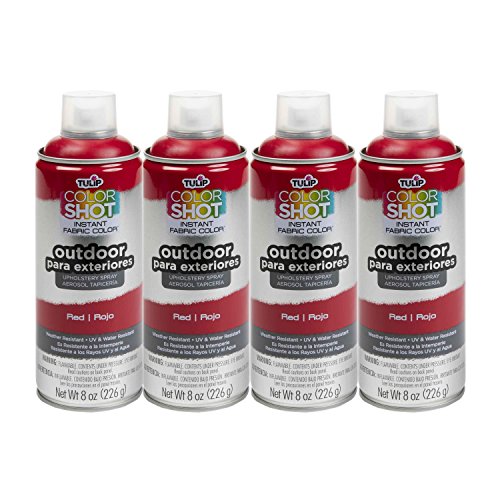
The unpleasant aroma typically arises from volatile organic compounds (VOCs) found in aerosol products. These chemicals serve various functions, including improving adherence and enhancing drying speed. Understanding these components can help in choosing effective methods for odor elimination.
- Composition: Most cans contain solvents, resins, and additives. Solvents evaporate quickly, releasing fumes that linger for extended periods.
- Surface Penetration: Materials like wood are porous, allowing VOCs to seep in deeply, complicating removal.
- Environmental Factors: Temperature and humidity can amplify odor retention. Warmer conditions may increase paint drying speed but also heighten the retention of odors.
Recognizing these elements aids in comprehending why the scent persists and informs the most suitable approaches to diminish it effectively.
Immediate Steps After Painting to Minimize Odor
Ventilate the area immediately. Open windows and doors to create cross-ventilation, which will help disperse harmful particles and expedite air exchange. Positioning fans to blow air out can enhance the circulation.
Place bowls of vinegar strategically around the room. Vinegar absorbs unpleasant fragrances effectively. I often use it in combination with baking soda for added potency; a sprinkle of the latter in open containers can neutralize residual odors.
Add activated charcoal to the space. This material not only absorbs unwanted fragrances but also purifies the air. I typically place several bags around to maximize its efficiency.
Utilize natural essential oils. Oils like lavender or lemon mixed with water in a spray bottle work wonders as a pleasant alternative to overpowering scents. I spritz them into the air for an aromatic lift.
Consider using an air purifier with a HEPA filter. These devices can capture fine particles and improve air quality significantly. I ensure to run it continuously during the initial days after completing a project.
Dust and wipe surfaces after the initial drying period. This action collects any settled particles and further reduces the atmosphere’s concentration of odors. A damp cloth suffices in most cases.
Finally, allow the item to dry completely in a well-ventilated space before bringing it indoors. I often wait several days, depending on the product used, to ensure maximum evaporation of any remaining compounds.
Best Cleaning Products to Use on Furniture
I recommend using white vinegar as a natural deodorizer. Mix equal parts of water and vinegar in a spray bottle, lightly mist the affected areas, and let it air dry. This solution neutralizes odors effectively.
Baking soda is another potent option. Sprinkle it liberally over the surfaces, let it sit for several hours or overnight, then vacuum it up. This method absorbs lingering odors without leaving any residue.
If you prefer commercial solutions, look for enzymatic cleaners specifically designed for tough odors. These products break down the sources of smells, working best on porous materials.
Activated charcoal is also beneficial. Place bags of activated charcoal near the item to absorb unpleasant aromas over time. This method is especially effective for larger pieces.
For an added fresh scent, try fabric fresheners or odor-eliminating sprays, ensuring they are safe for use on your specific materials. Always do a patch test first to prevent any adverse reactions.
In cases where the situation calls for more intensive care, a gentle upholstery cleaner can be applied, following the manufacturer’s instructions to avoid damage.
Natural Remedies to Absorb Odors from Wood
For tackling lingering odors in wooden pieces, I recommend utilizing baking soda. This natural absorber works effectively by sprinkling a generous amount on surfaces or inside drawers, allowing it to sit for at least 24 hours before vacuuming it away. The granular texture helps pull in unwanted scents.
Activated charcoal is another excellent choice. Its fine particles have a strong ability to trap odors. Placing bowls of activated charcoal in proximity to the wood can significantly reduce any unpleasant aromas over several days.
Coffee grounds offer a pleasant alternative. I fill small containers with dry coffee grounds and arrange them near the wood. Over time, the grounds not only mask but also absorb unwanted scents, leaving a fresh aroma behind.
White vinegar is a versatile remedy. I wipe down surfaces with a diluted solution of vinegar and water, which helps neutralize odors. After applying, it’s crucial to let the area air dry, allowing the vinegar to evaporate and taking bad scents with it.
Lemon slices also work effectively. I place slices near the wooden items, as they release a refreshing citrus scent that can help cut through residual odors. This method enhances the overall fragrance of the space while minimizing any unpleasant residues.
Essential oils can provide both fragrance and odor absorption. Adding a few drops of oils like lavender or eucalyptus to cotton balls and placing them in drawers or compartments can infuse a pleasant aroma while tackling unwanted smells. I find using oils in small quantities maintains a balanced aroma without being overpowering.
Using Baking Soda for Odor Neutralization
For effective odor absorption, I recommend applying baking soda directly to the surface that has retained undesirable scents. This natural neutralizer is not only safe but also highly efficient in tackling tough odors.
Steps to Use Baking Soda
- Sprinkle a generous amount of baking soda evenly across the affected area.
- Allow it to sit for a minimum of 15-30 minutes to maximize absorption.
- After the waiting period, use a vacuum cleaner or a soft brush to remove the baking soda residue.
- If necessary, repeat the application until the odor dissipates.
Additional Tips
- For enhanced effectiveness, consider mixing baking soda with a few drops of essential oil for a pleasant fragrance.
- Place an open container of baking soda in proximity to the item to continuously absorb odors over time.
This method is versatile and works well on various materials, making it an excellent option for decreasing unwanted scents without harsh chemicals.
Proper Ventilation Techniques for Your Items
Ensure a constant flow of fresh air by positioning the pieces near open windows or doors. If possible, use electric fans to increase circulation, directing airflow towards the painted surfaces. Aim for cross-ventilation by opening multiple openings in adjacent rooms, allowing odors to dissipate more effectively.
Consider using exhaust fans in enclosed spaces to remove stale air promptly. If natural ventilation is insufficient, dehumidifiers can assist in drawing out moisture and odors while speeding up the drying process.
Keep items outdoors in shaded areas on breezy days when temperatures are mild. Direct sunlight can sometimes exacerbate odors, while fresh air can work wonders in neutralizing them. Limit exposure to heat sources, which may trap odors further.
Utilize air purifiers equipped with activated carbon filters to absorb lingering scents effectively. Ensure the unit is positioned close to the treated pieces for maximum impact.
Monitor humidity levels as higher humidity can intensify odors. Aim for a relative humidity between 30-50% to create an ideal environment for odor reduction.
Regularly check the items during the ventilation process. This allows you to gauge progress and switch strategies if necessary, ensuring a pleasant ambiance in your space in no time.
Timeframe for Odor Removal: What to Expect
Typically, residual odors linger for up to a week after finishing the painting. However, factors like ventilation, humidity, and the type of materials used can significantly affect this duration.
For noticeable results, I find that placing bowls of vinegar or activated charcoal around the area can help absorb the scent within a few days. Circulating fresh air accelerates the process; open windows and use fans to enhance airflow. In cases of heavy odor, a duration of two weeks may be necessary for complete dissipating.
When using baking soda, I have observed a reduction in odors within 24 to 48 hours. Applying it generously on the surfaces can prove beneficial, allowing it to absorb for at least a day before vacuuming it off.
If employing commercial deodorizers, follow the manufacturer’s recommendations. The timeframe may vary, often yielding results within 3 to 7 days. Always make sure to check for lingering scents before reintroducing items back into your living space.
Monitoring the situation and adjusting strategies will help expedite odor elimination efficiently. Staying persistent and proactive ensures a fresher environment sooner than expected.
DIY Air Fresheners That Help Eliminate Odors
Combine 1 cup of water, 1 tablespoon of baking soda, and 10 drops of essential oil (like lavender or lemon) in a spray bottle. Shake well before each use and mist the area for a refreshing scent that neutralizes unwanted odors.
For a natural aroma booster, slice up one or two lemons, place them in a pot of water, add a few sprigs of rosemary, and simmer on low heat. This method infuses your space with a pleasant fragrance while combating lingering odors effectively.
Infuse cotton balls with vanilla extract or citrus oils, then place them in drawers or closets. This subtle technique not only masks unpleasant scents but also leaves a fresh note in your storage areas.
| Air Freshener | Ingredients | Instructions |
|---|---|---|
| Baking Soda Mist | 1 cup water, 1 tbsp baking soda, Essential oil | Mix, shake, spray. |
| Simmering Pot | Lemon slices, Rosemary, Water | Simmer on low heat. |
| Vanilla Cotton Balls | Cotton balls, Vanilla extract or Citrus oils | Soak and place in drawers. |
To create a refreshing gel option, combine 1 cup of water with 2 packets of unflavored gelatin, heat until dissolved, and stir in 10 drops of your favorite essential oil. Once cooled, place in small jars around your home for a continuous pleasant aroma.
Another effective solution involves filling small bowls with white vinegar and placing them in affected areas. The vinegar absorbs unwanted odors without leaving a scent behind, making it a discreet option for tackling persistent odors.
When to Seek Professional Help for Strong Odors
If persistent odors linger despite trying home remedies and ventilation techniques, consider contacting a specialist. Strong, overpowering scents might indicate deeper issues, such as incomplete curing of materials or chemical reactions that require expert knowledge.
When I notice that harmless deodorizers aren’t effective, it signals that professional intervention might be necessary. Experts utilize advanced methods like ozone treatment or industrial-grade extraction systems to address stubborn odors.
Additionally, if I suspect that the material has absorbed chemicals too deeply to be removed via standard cleaning methods, I would consult a professional. They can assess damage and suggest the best course of action, which may include refinishing or replacing affected components.
In cases where odors cause health issues or sensitivities, prioritizing safety is key. Professionals are trained to handle hazardous materials safely and can mitigate risks associated with persistent fumes. This consideration is especially important for households with children or pets.
Ultimately, trusting a professional can save time and prevent further complications arising from inadequate odor removal. Making the call early can protect the integrity of valuable items and create a healthier living environment.