
 Caleb Turner

I recommend using a mixture of rubbing alcohol and dish soap to tackle the issue of tree resin adhering to your outdoor seating. Combine one part rubbing alcohol with two parts warm water, then add a few drops of dish soap. This solution breaks down the sticky substance effectively.
Using a soft cloth, gently apply the mixture to the affected areas. Allow it to sit for 5-10 minutes to loosen the resin before wiping it away with a clean, damp cloth. For stubborn spots, a plastic scrapper can help lift the resin without damaging the surface.

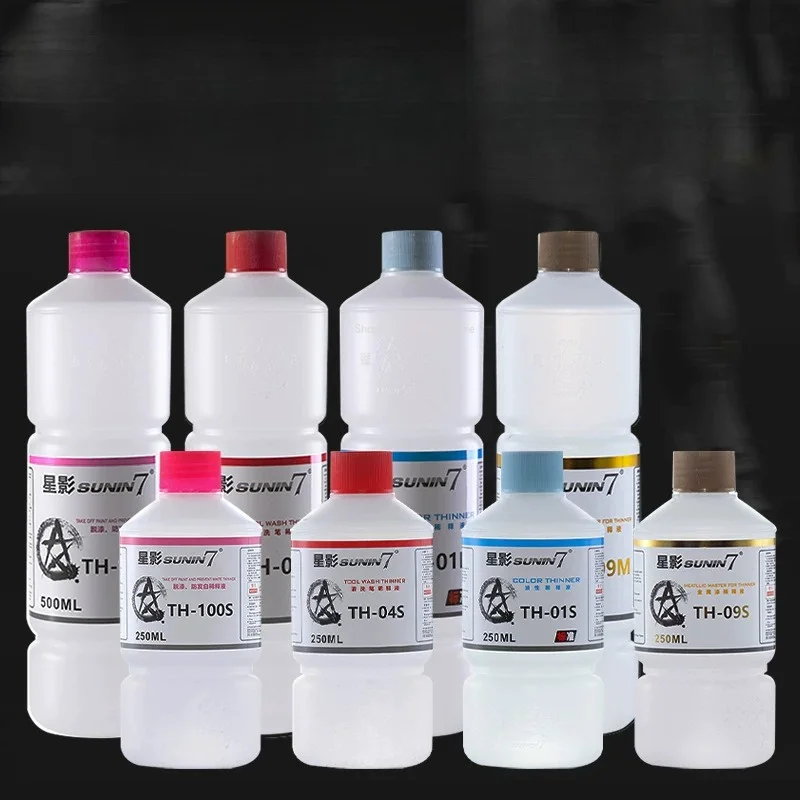

After cleaning, rinse the area thoroughly with water to remove any remaining solution. For best results, always check the manufacturer’s recommendations for your specific patio items to ensure compatibility with any cleaning agents. Regular maintenance can help prevent the buildup of this troublesome residue in the future.
Identifying the Type of Residue on Your Outdoor Seating
First, closely examine the markings on the surface. Tree resin typically appears shiny and sticky, often with a yellowish or amber hue, while other types may be less glossy or darker. Pine, cedar, and maple produce unique resins, each with distinct characteristics.
For a more thorough analysis, check the consistency. Resin from coniferous trees tends to be thicker, whereas that from hardwoods can be more liquid. Also, note any accompanying colors, as some varieties leave stains that can help in identification.
Smelling the residue can also provide clues. Pine resin has a distinct, fresh scent, while other tree saps may smell earthy or sweet. If I detect a strong aroma, it’s likely from a certain species.
If there’s difficulty in identifying, perform a quick test with a cotton swab dipped in rubbing alcohol. If the substance dissolves easily, it’s a softer resin; if not, it may be a more robust type or even a mix with dirt or other contaminants.
Documenting these observations aids in selecting the best method for removal and preventing future issues. Understanding the particular resin composition can significantly streamline the cleaning process.
Choosing the Right Tools for Sap Removal
For effective cleanup, I recommend gathering these essential items: a plastic scraper, rubbing alcohol, a microfiber cloth, and a bucket. The plastic scraper helps lift the sticky substance without scratching surfaces. Rubbing alcohol acts as a solvent, dissolving residue effortlessly. A microfiber cloth is gentle yet effective for buffing areas clean.
Specialized Solvents and Degreasers
If the adhesive remains stubborn, consider purchasing a specialized solvent or degreaser designed for quick cleanup. Always check the label to ensure compatibility with the material of your items to avoid damage.
Protective Gear
It’s wise to wear gloves while cleaning to safeguard your skin from irritation. If working outdoors, ensure you have a mask if using strong solvents to prevent inhalation of any fumes.
Applying Heat to Soften the Residue
Utilizing heat can be a straightforward and effective method to loosen tree exudate from surfaces. I prefer using a hair dryer or heat gun, but ensure you set the device to a low setting to prevent damage.
Hold the device a few inches away from the area, moving it in a circular motion for about 30 seconds. This helps to heat the resin without overheating the material underneath. Always maintain a safe distance to avoid melting or warping the surface.
Once the substance softens, I find it easier to wipe it away using a soft cloth or plastic scraper. Be cautious not to apply too much pressure, as this can scratch the finish. If necessary, reapply heat to stubborn spots.
For delicate materials, I recommend testing a small, inconspicuous section first. After the removal, clean the area with soapy water to eliminate any remaining residue and restore the surface’s finish.
| Tool | Recommended Setting |
|---|---|
| Hair Dryer | Low Heat |
| Heat Gun | Low Setting |
This approach allows for efficient removal while minimizing damage to the underlying material. Safety glasses are advisable in case of any accidental splatters during the process.
Using Solvents to Dissolve Residues Effectively
Choosing the right solvent makes all the difference in clearing sticky residues. I prefer to use isopropyl alcohol or acetone, both of which are effective in breaking down these substances without damaging most surfaces.
- Isopropyl Alcohol: This common household solvent works well. I apply it directly onto a clean cloth and gently rub the area. It usually dissolves the residue within minutes.
- Acetone: This is a stronger option, ideal for tougher spots. I use it sparingly, as it may impact certain finishes. A small test on an inconspicuous area is wise before application.
- Commercial Solvent Products: There are specialized products available that are designed for resin removal. I check the ingredient list for safe usage on plastic or wood surfaces, depending on the material.
Safety is a priority; I always work in a well-ventilated area and wear gloves to protect my skin. After treatment, rinsing the area with soapy water ensures all traces of the solvent are cleaned away.
For stubborn patches that resist these solvents, combining techniques with heat application can enhance effectiveness. However, I rely on solvents as my first line of action due to their practicality and availability.
Scrubbing techniques for stubborn residues
Abrasive cleaning pads work wonders for tackling persistent remains. I prefer using a non-scratch pad to prevent any damage to the surface. Here’s a step-by-step approach:
- Soak the area with warm water to loosen the material.
- Employ a non-scratch scrub pad, applying firm, circular motions to lift the residue.
- For added traction, sprinkle a pinch of baking soda on the damp area before scrubbing.
- Rinse thoroughly with clean water and dry with a soft cloth.
If some residue remains, a paste of baking soda and water can be applied as a secondary scrub. Let it sit for a few minutes before scrubbing again. This method usually yields excellent results.
- Try using a plastic scraper for any particularly stubborn spots, as this helps prevent scratching the surface.
- An old toothbrush makes an effective tool for detailed scrubbing in tight corners or hard-to-reach areas.
Always test a small area first to ensure there are no adverse effects on the furniture’s finish. I find that consistent application of these techniques helps keep my outdoor seating looking pristine.
Preventing Future Sap Accumulation on Outdoor Seating
To minimize future sticky residue issues, I recommend using protective covers when the seating is not in use. These can significantly reduce exposure to elements that cause undesirable deposits.
Choosing the Right Location
Positioning items away from overhanging trees is essential. Examine your yard and relocate to areas where falling branches or pitch can be avoided, reducing direct contact with troublesome flora.
Regular Maintenance
Establish a routine for cleaning and inspecting outdoor accessories. Wiping surfaces with a damp cloth every month can help identify any early signs of accumulation and deal with it promptly before it hardens.
I also suggest regularly applying a suitable outdoor furniture polish. Certain products create a protective barrier that can help repel sticky drips and make future clean-up efforts easier.
FAQ:
What materials do I need to remove sap from my lawn furniture?
To effectively remove sap, you’ll typically need a few basic materials: a plastic scraper or a credit card to gently scrape off the sap, rubbing alcohol or hand sanitizer to dissolve the sticky residue, and a soft cloth for wiping the area clean afterwards. You may also want to have warm soapy water on hand for the final clean-up.
Can I use vinegar to remove sap from my lawn furniture?
Yes, vinegar can be an effective solution for sap removal. Its acidity helps break down the sticky substance. Apply white vinegar directly on the sap, let it sit for a few minutes to penetrate, then use a soft cloth to scrub the area gently. Afterward, rinse the furniture with water to remove any vinegar residue.
Are there any specific types of furniture that require special care when removing sap?
Yes, different materials can require different techniques. For instance, wooden furniture may need more gentle methods to avoid scratching or damaging the finish, while metal or plastic surfaces are usually more resilient and can handle stronger solvents. Always test your chosen method on a small, inconspicuous area before applying it to the entire surface.
How long should I let the cleaning solution sit on the sap before scrubbing?
It’s generally recommended to let the cleaning solution sit for about five to ten minutes. This allows the solution to penetrate and break down the sap, making it easier to remove. If the sap is particularly stubborn, you may choose to let it sit a bit longer but keep an eye on it to prevent any potential damage to the furniture’s finish.
What should I do if the sap won’t come off after repeated attempts?
If the sap remains despite multiple attempts, consider using a specialized adhesive remover designed for outdoor surfaces. Ensure that it is safe for your furniture material. Apply it according to the product instructions and test it on a small area first. If the issue persists, it may be worth consulting a professional cleaning service that specializes in outdoor furniture care.
What are the best methods to remove sap from lawn furniture?
To effectively remove sap from lawn furniture, you can utilize a few different methods based on the furniture material. For plastic furniture, applying rubbing alcohol or hand sanitizer can help dissolve the sap. Simply soak a cloth in the solution, then gently rub the sap until it starts to lift away. For wooden furniture, mineral spirits are useful; just apply a small amount to a cloth and wipe the sap off carefully. Always follow up with a clean, damp cloth to remove any residue. For metal furniture, a mixture of warm soapy water can work well; scrub gently with a sponge. Remember to perform a patch test in an inconspicuous area before applying any chemical to avoid damage.


