
 Caleb Turner
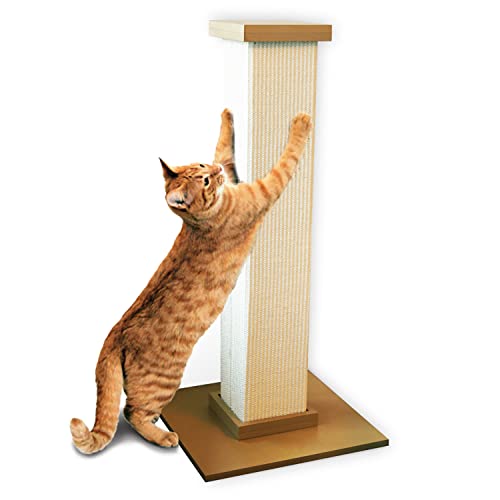
To minimize damage to my interior, I invested in a variety of scratching posts and pads. I strategically placed them near the favorite lounging spots of my pet, ensuring they have a dedicated place to scratch. Choosing materials that mimic textures found in furniture often attracts their attention more effectively.
Incorporating deterrents like sticky tape or sprays on areas of interest also proved beneficial. These methods create an unpleasant experience on surfaces I want to protect. I’ve found that lightly sprinkling catnip on the designated scratching areas encourages my furry companion to utilize them instead.
Regularly trimming claws and providing alternatives such as interactive toys keep engagement high while discouraging unwanted behaviors. Setting a routine where I reward positive actions with treats diminishes the inclination to scratch items I want to preserve. With persistence, I can maintain a harmonious living space while ensuring my pet’s instincts are met.



Understanding Your Feline’s Scratching Habits
Recognize the instinctive need for sharp claws. It’s not merely a habit; this behavior reflects territorial marking and stress relief. By observing closely, I identify times when my pet exhibits this tendency. Environmental stressors like loud noises or changes in routine can trigger heightened activity.
Environmental Enrichment
Enhancing surroundings with stimulating objects is crucial. I incorporate climbing structures, interactive toys, and designated scratching posts. Positioning these elements in high-traffic areas encourages natural behavior away from problematic surfaces. Noticing interest in different materials helps me select optimal alternatives.
Positive Reinforcement
Using treats and praise when engaging with appropriate items proves effective. This method reinforces desired actions and gradually shifts focus. Consistency in rewards aligns my expectations with my companion’s behaviors, creating a more harmonious atmosphere.
Choosing the Right Scratching Post
Select a post that matches your feline’s preferences; tall and sturdy options are generally more appealing. Cats like to stretch out while scratching, so a vertical height of at least 30 inches is suggested. Ensure stability to withstand vigorous use, avoiding flimsy structures that could topple over.
Material Matters
Opt for scratching surfaces made of sisal, wood, or cardboard. Sisal fabrics are particularly popular due to their durability; wood presents a natural option. Each type offers different tactile experiences, catering to diverse tastes.
Design and Style
Incorporate varied designs, such as angled or horizontal posts, to stimulate interest. Look for multifunctional models that include platforms or hiding spots–space for climbing enhances engagement. Keep in mind the aesthetic aspect; a visually pleasing addition can seamlessly blend with home decor.
Position the post in a high-traffic area, ideally near previous scratching spots or resting places. Encourage interaction through positive reinforcement as soon as your pet uses it. By effectively integrating the right post into your environment, managing destructive behavior becomes much simpler.
Training Techniques to Redirect Clawing
I utilize various methods to guide my feline companion towards appropriate scratching options. Here are some techniques that have proven effective:
- Positive Reinforcement: When my pet uses the scratching post instead of the couch, I reward them with treats or affection, reinforcing the desired behavior.
- Deterring Agents: I apply safe sprays or double-sided tape onto furniture surfaces. The unpleasant texture discourages my pet from returning to scratch those areas.
- Training Sessions: I set aside time for short, engaging training sessions where I encourage my pet to use designated scratchers. I guide their paw to the post and praise them when they engage with it.
- Placement Strategy: I strategically position scratching posts near areas where my companion frequently claws, making it more convenient for them to choose the appropriate option.
- Interactive Play: I incorporate toys that engage my pet physically, which helps to reduce excessive scratching behaviors by channeling their energy into play.
Consistency is key. By applying these methods regularly, I create an environment conducive to proper scratching habits. Over time, my companion learns to associate the scratching post with positivity and rewards.
Using Deterrents to Protect Your Furniture
Applying bitter apple spray on surfaces serves as a strong deterrent. This non-toxic solution makes surfaces unappealing for scratching, prompting an immediate change in behavior.
Adopting double-sided tape on desired areas acts as an effective barrier. The sticky texture discourages my feline friend from lingering and digging in those spots.
Utilizing citrus-based scents can also repel. Cats tend to dislike the smell of citrus, so placing orange or lemon peels near targeted spots may help keep their distance.
Employing motion-activated devices, such as air canisters or ultrasonic sound emitters, can startle the feline, redirecting their attention away from the furniture.
Covering furniture with protective slipcovers or specially designed furniture guards will prevent damage while simultaneously allowing me to train my pet in acceptable scratching habits.
Maintaining Your Pet’s Claws Regularly
Trim nails every 2-4 weeks using a pair of cat-specific clippers. This prevents excessive length and reduces potential damage to surfaces. Aim for a gentle approach; start with one paw at a time and gradually build trust.
Gathering the Right Tools
Invest in sharp nail clippers designed for felines; they offer clean cuts and decrease the risk of splitting. A cat nail file can be useful for smoothing any rough edges after clipping. Have treats on hand to reward good behavior and create a positive experience.
Recognizing Claw Health
Examine nails regularly for signs of overgrowth or splitting. If damage occurs, consult a veterinarian to address any potential issues. Maintaining hygiene in this area helps in the overall well-being of your companion.
Creating a Cat-Friendly Environment
Introduce various surfaces for scratching by placing mats or carpets in different areas. Materials like sisal or carpet can be inviting and provide options apart from upholstered items.
Engaging Spaces
Incorporate vertical spaces such as shelves or cat trees. Cats naturally enjoy climbing and observing from heights, which can help reduce unwanted attention on household items.
Interactive Elements
Integrate toys that encourage movement and play. When pets are stimulated, they may be less inclined to focus on inappropriate targets. Rotate toys regularly to maintain enthusiasm.
Using pheromone diffusers can create a calming atmosphere. A relaxed pet is less likely to engage in destructive behaviors. Additionally, organized playtime sessions promote bonding and can redirect energy effectively.
Consider designating a sanctuary area with scratching materials. This allows freedom for natural behaviors while diverting attention from furniture.
FAQ:
What are some simple methods to prevent my cat from scratching the furniture?
There are several effective strategies to keep your cat from clawing your furniture. First, provide your cat with appropriate scratching posts made of materials like sisal or cardboard, which cats find appealing. Place these scratching posts near the furniture your cat usually attacks. Additionally, consider using double-sided tape or furniture protectors on areas where your cat scratches; cats dislike the sticky texture. Regularly trimming your cat’s claws can also minimize damage. Finally, using catnip on scratching posts might encourage your cat to use them instead.
Why do cats scratch furniture and how can I address this behavior?
Scratching is a natural behavior for cats, serving various purposes such as marking territory, keeping claws healthy, and stretching their muscles. To manage this instinct, ensure your cat has designated scratching areas. You can deter them from scratching furniture by using deterrents like sprays that are safe for pets but not pleasant for them. Also, consult with a veterinarian if scratching becomes excessive, as it could indicate stress or anxiety. Redirecting their focus to appropriate scratching items while providing positive reinforcement for using them can help curb the unwanted behavior.
Are there any products specifically designed to discourage cats from clawing furniture?
Yes, there are various products available that can effectively discourage cats from scratching furniture. Furniture protectors, such as slipcovers or specialized adhesive sheets, can be applied to areas commonly scratched. Additionally, feline deterrent sprays are formulated to make surfaces less appealing to scratch. Some cat owners also find success with motion-activated deterrents that emit sounds or bursts of air when the cat approaches prohibited areas. Exploring your options and choosing a product that suits your cat’s personality can help keep your furniture safe while respecting their natural behavior.
How can I train my cat to prefer a scratching post over my furniture?
Training your cat to favor a scratching post over furniture requires patience and consistency. Start by placing the scratching post in a prominent area where your cat typically scratches. You can make the post more attractive by rubbing catnip on it or attaching toys. When you see your cat using the post, praise them or offer treats to reinforce the positive behavior. If your cat scratches the furniture, gently redirect them to the post without scolding. Over time, as they associate the scratching post with rewards and comfort, they may choose it over scratching your furniture.
Is it harmful to declaw my cat to prevent furniture scratching?
Declawing cats is a controversial practice that is considered harmful by many veterinarians and animal welfare organizations. The procedure involves the amputation of the last bone of each toe, which can lead to pain, behavioral issues, and mobility problems. Instead of declawing, it’s recommended to explore alternatives like providing scratching posts, using nail caps, and regular claw trimming. These methods help manage your cat’s scratching behavior while ensuring their well-being and quality of life.
What are some effective methods to stop my cat from scratching the furniture?
To discourage your cat from scratching the furniture, consider providing alternatives like scratching posts or pads made from materials that appeal to your cat, such as sisal or cardboard. Place these items near the furniture your cat tends to scratch, so they have an attractive option to use instead. You can also use catnip to entice your cat to the scratching post. Additionally, covering the furniture with protective materials, like slipcovers or double-sided tape, can make them less appealing to scratch. Training your cat with positive reinforcement when they use the scratching post can also encourage the desired behavior.
Why does my cat claw at the furniture, and how can understanding this behavior help me?
Cats scratch furniture primarily to mark their territory, maintain their claws, and stretch their muscles. Understanding these motivations can help you address the behavior more effectively. For instance, recognize that scratching is a natural and necessary activity for your cat. Instead of solely punishing the behavior, invest time in providing suitable scratching surfaces that meet your cat’s needs. By catering to their instincts and offering designated scratching areas, you can help redirect their attention away from your furniture, making both you and your cat happier.


