
 Caleb Turner

To tackle the challenge of miniature parasites infiltrating your couches and chairs, I recommend vacuuming each piece thoroughly. This action not only removes the obvious culprits but also disturbs their resting spots, making them more likely to exit the area. Use an extension hose and upholstery attachment for precision on seams and crevices.
After vacuuming, treatment with a steam cleaner can be beneficial. High temperatures effectively eliminate these unwanted invaders and their eggs, ensuring a deeper cleanse. Be sure to follow the manufacturer’s instructions for temperature settings to protect your upholstery.


If necessary, applying a suitable insecticide designed for soft furnishings can provide an added layer of protection. Look for products that specifically state their safety for indoor use. Always test on a hidden area before widespread application to prevent discoloration or damage.
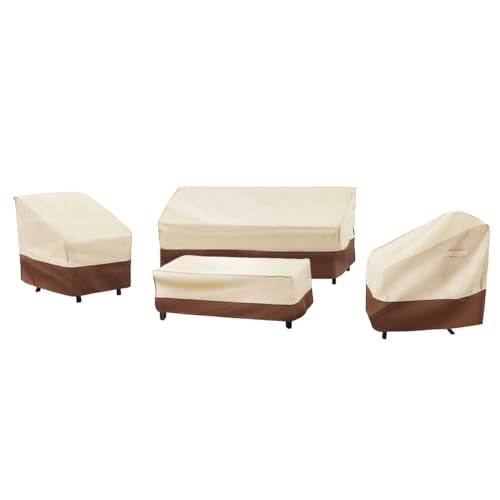
Additionally, consider encasing cushions and pillows in protective covers. These barriers can prevent further penetration by small critters, making future cleaning measures more effective. Regular maintenance–vacuuming and using covers–should minimize the likelihood of future infestations.
Identifying Pests on Upholstered Surfaces
Examine surfaces closely. Use a flashlight to illuminate crevices and seams where these nuisances might hide. Pay attention to areas under cushions, between the seams, and along the edges. Look for small, dark spots or any visible movement.
Visual Identification
These creatures are often brown or reddish-brown, resembling tiny spiders. Their size ranges from 1 to 5 millimeters. I suggest using a magnifying glass to confirm their presence. If you notice small, oval-shaped bodies, it’s a strong indication of infestation.
Behavioral Signs
Monitor for unusual activity. If you notice small black specks that look like pepper sprinkled across surfaces, it could be feces. Signs of irritation from bites can also indicate an issue. Be aware of shedding skins, as these can signal a larger problem.
| Visual Signs | Behavioral Indicators |
|---|---|
| Brown or reddish-brown bodies | Unusual activity or movement |
| Small, oval-shaped figures | Presence of fecal specks |
| Shedding skins | Irritation or discomfort |
Choosing the Right Cleaning Supplies for Tick Removal
I recommend using a mix of essential oils and natural cleaners effective in eliminating unwanted parasites. Products containing peppermint, tea tree, or eucalyptus oils serve as deterrents and disinfectants. Make a solution by mixing a few drops of essential oil with water in a spray bottle for easy application.
Disinfectants
Choose disinfectants that contain at least 70% isopropyl alcohol. This concentration is proven to kill various organisms, including those pesky nuisances. Spray the alcohol solution on the surfaces, let it sit for a few minutes, then wipe down with a clean cloth. Ensure thorough coverage, particularly in crevices and seams.
Surface Cleaners
Opt for enzymatic cleaners specifically formulated for eliminating organic matter and contaminants. These cleaners work on a molecular level, breaking down residues that might attract unwelcome guests. Follow the manufacturer’s instructions for best results, and always test on inconspicuous areas first to avoid damage.
Step-by-step guide to vacuuming furniture
Before I begin vacuuming, I ensure the vacuum cleaner has a clean filter and an appropriate attachment for upholstery. This prevents pushing debris around instead of removing it.
First, I clear the area around the seating or surfaces to allow easy access. I then inspect the material for any loose items or debris that might clog the vacuum.
Technique
Using a slow, steady motion, I move the vacuum attachment across all accessible surfaces, starting from the top and working downwards. This way, any dust or allergens disturbed naturally fall down to areas yet to be cleaned. I pay close attention to seams and crevices, where unwanted intruders often hide.
Finishing Touches
After vacuuming, I dispose of the collected material promptly, sealing the bag if applicable. To enhance cleanliness, I also wipe down surfaces with a damp cloth or an appropriate cleaner, ensuring to avoid soaking the material. This combination of vacuuming and wiping helps maintain clear surfaces, reducing the risk of future issues.
Using Insecticides Safely on Upholstery
I always follow the manufacturer’s instructions carefully when applying chemical treatments. This ensures that I’m using the right amount and method for effective application while minimizing risks.
Before beginning, I make sure the area is well-ventilated. I open windows and, if possible, use fans to circulate air. This reduces inhalation of fumes and enhances safety during the process.
I cover any surfaces that I do not want treated, using plastic sheets or cloths. This prevents accidental contamination and keeps my space tidy. Additionally, I remove any personal belongings or fabrics from the vicinity.
I apply the insecticide in small, targeted areas instead of applying it broadly. This helps control the amount used and ensures thorough coverage where necessary, minimizing waste and risk.
After application, I make sure to allow enough drying time according to the product’s instructions. Leaving the area undisturbed ensures the treatment works effectively before I resume normal activities.
Lastly, I wash my hands thoroughly after handling any chemicals, even if I’m wearing gloves. This simple step guarantees I’m not transferring any residues elsewhere in my home.
If I have pets or children, I ensure they are kept away from treated areas until it’s safe to return, as outlined in the safety warnings. Placing warning signs can also serve as a helpful reminder.
By adhering to these steps, I manage the use of insecticides around my living space responsibly while effectively tackling pest issues.
Natural remedies for repelling unwanted pests from furniture
Utilizing essential oils can create a repellent barrier. I recommend eucalyptus, lavender, or peppermint oil. Mix 10-15 drops of your chosen oil with water in a spray bottle. Spray the mixture on the affected areas, ensuring to concentrate on seams and crevices.
Citrus Solutions
Citrus peels, particularly lemon or orange, are effective in deterring critters. Placing fresh peels near seating areas or in drawers discourages their presence. I prefer to soak peels in water overnight, then pour the infused liquid into a spray bottle for application.
Herbal Infusions
Creating a herbal infusion can be beneficial. I steep dried rosemary, sage, or thyme in hot water, then let it cool. After straining, I place the liquid in a spray bottle and apply it to targeted surfaces. In addition, placing sachets of these dried herbs in storage areas provides ongoing protection.
Importance of Washing Textiles and Cushions
Regular laundering of fabrics and cushions plays a significant role in maintaining a healthy indoor environment. High temperatures in washing can eliminate various unwanted organisms, enhancing both hygiene and comfort.
Here are key points to consider:
- Heat effectively eradicates microorganisms and pollutants hiding in fabric fibers.
- Frequent washing prevents the buildup of allergens, such as dust mites and pet dander.
- Using a suitable detergent and hot water increases the likelihood of eliminating any lurking pests.
- Fabrics that are washed regularly maintain their freshness, contributing positively to indoor air quality.
Follow these tips for optimal results:
- Read care labels carefully for proper washing temperatures and methods.
- Combine similar colors and fabric types to prevent damage and color bleeding.
- Add a cup of white vinegar during rinse cycles to deodorize and remove residues.
- Ensure thorough drying, preferably in sunlight, to help eliminate remaining eggs or larvae.
Incorporating these practices into your routine not only enhances cleanliness but also contributes significantly to creating a more comfortable and safe living space.
Inspecting and Treating Outdoor Furniture
Regular examination of patio and garden seating is crucial to prevent infestations. Begin by checking under cushions, between slats, and along seams for any signs of these pests. Use a flashlight for better visibility in shaded areas.
Inspection Tips
- Look for discarded exoskeletons or dark spots that may indicate presence.
- Pay attention to hidden spaces like beneath armrests and within the framework.
- Inspect nearby vegetation where parasites might reside.
Treatment Methods
After identifying affected areas, select appropriate cleaning solutions. For wooden pieces, a mixture of water and vinegar works well. For plastic and metal, soapy water can effectively cleanse surfaces. Wipe thoroughly with a cloth or sponge.
- Consider applying a natural insect repellent after cleaning, focusing on legs and seams.
- Store lightweight items when not in use; cover them with tarps or specialized covers to minimize exposure.
- Conduct routine maintenance by sanding and sealing wooden surfaces to deter future issues.
Preventative measures to avoid future infestations
I recommend implementing several strategies to ensure a long-lasting barrier against unwanted pests.
- Regularly inspect all living areas, paying special attention to textiles and crevices where unwanted guests may hide.
- Maintain a clean environment. Frequent vacuuming eliminates potential hosts and disrupts any existing populations.
- Seal any cracks and crevices in walls, baseboards, and floors to prevent entry. Use caulk or expanding foam as appropriate.
- Store items like blankets, cushions, and clothing in sealed containers. This reduces exposure to contaminants.
- Utilize repellents on outdoor items. Spraying with a reliable repellent can deter intrusion from your yard.
- Consider creating a barrier through regular landscaping. Keeping grass trimmed and foliage neat decreases attraction from outdoor areas.
- Encourage pets to stay off the couches and chairs, minimizing the chance of transferring problems indoors.
- Maintain air circulation in spaces, as stagnant air can create a hospitable environment for infestations.
By prioritizing these actions, I significantly reduce the risk of a recurrence, ensuring my home environment remains comfortable and safe.
When to Call a Professional Pest Control Service
If I notice a significant presence of these arachnids, or if DIY methods fail, I opt for professional treatment. A specialized team employs advanced techniques and products that may not be accessible to the public.
Signs Indicating Professional Help is Needed
The decision to seek expertise becomes clearer when I observe the following:
- Persistent infestations despite multiple cleaning attempts.
- Signs of allergies or health issues in family members or pets.
- Indications of an extensive outbreak beyond control.
Benefits of Hiring Experts
Professionals offer a thorough inspection, identifying breeding grounds I may miss and providing tailored solutions. Their knowledge of seasonal patterns helps in preventing future occurrences, ensuring a comprehensive approach to eradication.
| Symptoms | Suggested Action |
|---|---|
| Continual bites or irritation | Contact pest management |
| Visible clusters in multiple areas | Schedule a professional assessment |
| Allergic reactions in occupants | Immediate expert intervention |
In my experience, a proactive response leads to quicker resolution and peace of mind, allowing me to enjoy my living space without concern.
FAQ:
What are the first steps to take when discovering ticks on furniture?
Upon discovering ticks on your furniture, the first step is to isolate the affected items. Remove any cushions or fabric covers and place them in a plastic bag. This prevents ticks from spreading. Next, thoroughly inspect the furniture for any ticks hiding in crevices or seams. Make sure to wear gloves during this process to avoid bites. Once you’ve done a visual check, you can start cleaning the area around the furniture to ensure that any ticks that may have fallen off are removed.
What cleaning methods are best for removing ticks from upholstered furniture?
The best method for removing ticks from upholstered furniture involves a combination of vacuuming and washing. Use a vacuum cleaner with a hose attachment to carefully vacuum all surfaces, especially seams and under cushions. After vacuuming, consider washing any removable fabric covers in hot water, as high temperatures can kill ticks effectively. If the covers cannot be washed, using a steam cleaner can also be beneficial, as steam can penetrate fabrics and eliminate ticks.
Are there any chemical treatments recommended for getting rid of ticks on furniture?
Yes, chemical treatments can be effective in dealing with ticks. Look for insecticides specifically labeled for tick control and safe for indoor use. Always read and follow the manufacturer’s instructions carefully. It is advisable to apply the chemical in the evening when pets and people are least likely to be around. After application, ensure that the area is well-ventilated. Remember to wait the recommended duration before allowing anyone back in the treated space.
How can I prevent ticks from returning to my furniture after I’ve removed them?
To prevent ticks from returning to your furniture, maintain a clean environment. Regularly vacuum the area and wash any fabric items that may attract ticks. Additionally, consider treating your pets with tick prevention methods, as they can bring ticks into your home. Keeping your yard tidy and free of tall grass and brush can also help prevent ticks from moving indoors. Regular inspections of your furniture and pets can help catch any potential infestations early.
What should I do if I find a tick on myself after handling infested furniture?
If you discover a tick on yourself after handling furniture that may be infested, it is important to remove it promptly. Use fine-tipped tweezers to grasp the tick as close to your skin’s surface as possible and pull upward with steady, even pressure. Once removed, clean the bite area and your hands with rubbing alcohol or soap and water. If you experience any unusual symptoms afterward, such as rash or fever, consider consulting a healthcare professional for advice.
What steps can I take to remove ticks from my furniture?
To effectively remove ticks from your furniture, start by vacuuming the area thoroughly. This includes not only the surfaces but also any cracks and crevices where ticks may hide. After vacuuming, empty the vacuum canister or bag outside to prevent recontamination. Next, wash any fabric items, such as cushions or throws, in hot water and dry them on high heat, as this will kill any remaining ticks. For persistent issues, consider using a specialized tick spray that is safe for indoor use, following the instructions carefully. Additionally, regularly inspect your pets and their bedding for ticks, as they can carry these pests into your living spaces.


