
 Caleb Turner

First, applying a small amount of rubbing alcohol directly on a cotton ball or soft cloth provides a straightforward approach to tackle unwanted coloration. Gently dab the affected area, ensuring not to saturate the surrounding surfaces. After treatment, using a clean, damp cloth to wipe away excess alcohol is crucial.
Another method involves mixing dish soap with warm water. Dipping a microfiber cloth into this solution and blotting the blemish can yield satisfactory results. It’s important to rinse the cloth frequently to avoid spreading the color further.
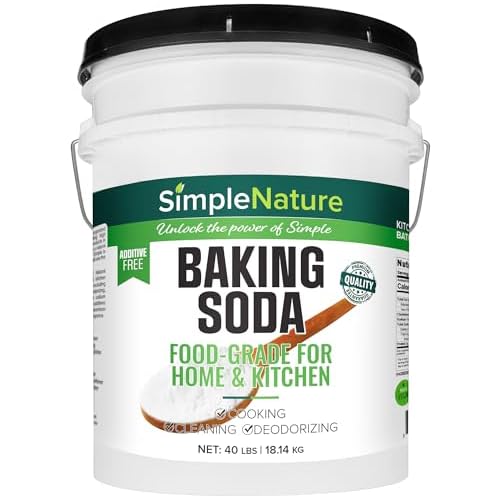
For tougher spots, a paste made from baking soda and water may prove effective. After applying the paste to the discolored area, let it sit for approximately 10–15 minutes before gently scrubbing with a soft brush. Rinsing with water afterward is essential to remove any residue.
Lastly, for fabric surfaces, considering a commercial upholstery cleaner can provide a reliable option. Always check the product label for compatibility with your specific material to avoid unwanted damage. Ensuring proper ventilation while treating the area can enhance effectiveness.


Cleaning Techniques for Color Marks
One effective method involves applying rubbing alcohol on a cotton ball. Gently dab the affected area, being careful not to spread the color further. Blot with a clean cloth until the residue lifts.
Alternative Solutions
- Mix baking soda with water to form a paste. Apply it directly to the mark and let it sit for about 10-15 minutes before wiping off.
- Hydrogen peroxide can also be utilized. Apply a small amount on a soft cloth and gently rub the discolored area.
- Using dish soap mixed with warm water can work wonders. Scrub lightly with a microfiber cloth until the area is clean.
Preventive Measures
Cover surfaces with old towels or plastic sheets when coloring. This simple step minimizes potential stains, saving time and effort in the future.
Identifying the Type of Furniture Material
To effectively treat discoloration on various surfaces, it’s crucial to recognize the specific material of your piece. Each type requires different methods of care and cleaning solutions.
| Material | Characteristics | Recommended Cleaning Approach |
|---|---|---|
| Wood | Natural, warm appearance, may be finished or raw | Utilize a gentle soap solution; avoid harsh chemicals |
| Upholstery | Fabric-based, various textures, stain-sensitive | Blot spills with a clean cloth; use fabric-safe cleaners |
| Leather | Soft, flexible, can be porous, requires protection | Employ specialized leather cleaner and conditioner |
| Glass | Clear, reflective, easy to clean but fragile | Wipe with a glass cleaner or vinegar solution |
| Metal | Durable, often with coatings, might rust | Use a mild soap; dry thoroughly to prevent corrosion |
Understanding these distinctions allows me to select the proper methods and products to maintain my belongings without causing further damage.
Gathering Necessary Cleaning Supplies
First, I ensure I have a pair of latex gloves to protect my hands from any chemicals. Next, I gather absorbent cloths or paper towels, which are ideal for blotting up excess liquids. An old toothbrush or a soft-bristled brush comes in handy for scrubbing stubborn residues.
For cleaning solutions, I like to have white vinegar and baking soda on hand, as they are effective for many marks. Additionally, a mild dish soap mixed with water works well for general cleaning. If necessary, I might consider a small amount of rubbing alcohol or powdered laundry detergent for tougher residues.
It’s also helpful to have a spray bottle for easy application of cleaning solutions. Lastly, I keep a microfiber cloth for wiping and drying surfaces once they are clean, ensuring no moisture is left behind.
Testing Cleaning Solutions on Hidden Areas
Before applying any cleaning agent to visible surfaces, I always test it on an inconspicuous spot. This method prevents potential damage to the entire piece. Ideally, I choose a location that isn’t easily noticed, such as the back or the underside of a drawer or cushion.
Steps for Testing
I apply a small amount of the chosen solution using a clean cloth or cotton ball. After that, I wait for a few minutes to observe any reaction. If discoloration or damage occurs, I discard that cleaner and try another option. Always ensure the area is fully dry before evaluating the outcome.
Notes on Different Materials
Different materials react uniquely to cleaning solutions. For instance, while wood may not respond well to harsh chemicals, synthetic fabrics tend to tolerate them better. Adjust the cleaning approach based on the specific material’s properties and always prioritize gentler solutions when uncertainty exists.
Applying Common Household Cleaners
I recommend using several household products that effectively address this issue. Start with rubbing alcohol or acetone, both of which can dissolve pigments. Apply a small amount to a clean cloth, and dab gently on the affected area. Always test on a hidden spot first to ensure no damage occurs.
White vinegar is another excellent option. Mix equal parts of vinegar and water in a spray bottle. Lightly mist the area and blot with a microfiber cloth. The acidity helps lift any residual color.
Baking Soda Paste
For stubborn residues, I create a paste using baking soda and water. Apply it to the discolored area, then let it sit for about 15 minutes before gently scrubbing with a soft brush. Rinse with clean water and dry thoroughly.
Dish Soap and Warm Water
A simple solution of dish soap and warm water can also work. Combine a few drops of soap in a bowl of warm water, dip a cloth into the mixture, and blot the stained area. Rinse with a damp cloth afterward to remove soap residue.
Always follow up with a dry cloth to absorb any excess moisture left behind. Consistent application might be required for complete removal, so be patient and repeat if necessary.
Using Commercial Stain Removers Effectively
Select a product designed specifically for removing color marks from surfaces. Brands with straightforward instructions often yield the best results.
Prior to application, read the label thoroughly. Look for key ingredients such as hydrogen peroxide, ammonia, or sodium bicarbonate. These components help to break down the residues.
Follow these steps for optimal use:
- Apply the remover directly onto the affected area.
- Let it sit for the recommended time, typically around 5 to 15 minutes, allowing it to penetrate the fibers or finish.
- Gently blot with a clean cloth. Avoid scrubbing, as this can spread the residue.
- Rinse with a damp cloth to remove any residue from the remover itself.
- Dry the area with a towel to prevent water marks.
For porous materials, consider soaking a cloth in the remover and placing it over the area for a few minutes before blotting. This method ensures deeper penetration without damaging the surface.
In cases of stubborn residues, multiple applications may be necessary. Always allow drying between applications to assess progress.
Remember to keep the area well-ventilated during the cleaning process to avoid inhaling any fumes.
Preventing Future Hair Dye Stains
Invest in protective covers for surfaces prone to color application, such as couches or tables. A simple plastic sheet or an old towel can serve as a barrier during the process.
Designate a specific area for coloring tasks, ideally on a hard surface that is easy to clean. This minimizes the risk of accidental spills on more absorbent materials.
Utilize capes or aprons while applying color. This choice not only protects clothing but also helps limit splashes that may reach surrounding areas.
Adopt the habit of keeping all supplies organized and within reach. This minimizes the need for frequent movement, reducing the chances of mishaps.
Regularly assess the integrity of dyes and tools before starting. Expired products may behave unpredictably, increasing the risk of unwanted marks.
Establish a clean-up routine immediately after the coloring session. Prompt action reduces the likelihood of any residual pigments setting into surfaces.
Consider using color-safe products if available. These are designed to prevent unwanted marks on various surfaces during application.
| Tip | Description |
|---|---|
| Protective Covers | Use plastic sheets or towels on vulnerable surfaces. |
| Designated Area | Color in a specific, easy-to-clean spot. |
| Use Capes | Prevent spills on clothes and surroundings. |
| Organized Supplies | Keep everything in one place to avoid movement. |
| Assess Products | Check dyes and tools before use for integrity. |
| Immediate Clean-Up | Clean surfaces promptly after the process. |
| Color-Safe Options | Choose products that prevent unwanted markings. |
When to Seek Professional Cleaning Services
If persistent marks remain after attempting various cleaning methods, it may be time to consult a specialist. Stubborn discolorations on upholstery or delicate surfaces often require advanced techniques that average household products can’t achieve. Additionally, if the material feels damaged or sensitive, calling in experts can prevent further harm.
Identify the Severity of the Issue
Signs of lasting damage include discoloration that doesn’t respond to typical treatments or changes in texture. In cases where the affected area is large or complicated, such as intricate patterns or fabrics, seeking professional input is wise.
Consider Safety and Experience
If you’re unsure about the appropriate products or methods for your specific type of material, professional cleaners are equipped with knowledge and tools to handle a range of scenarios. This ensures not only effective removal but also maintains the integrity of your possessions.


