
 Caleb Turner

I recommend starting with a thorough vacuuming session throughout your entire space. Focus specifically on seams and crevices where these tiny creatures tend to hide. Ensure the vacuum bag or canister is emptied immediately after use to prevent any chance of re-infestation.
Next, consider treating the affected areas with a mixture of water and liquid soap. A spray bottle works well for this task. Lightly mist the surfaces, allowing the solution to penetrate. The soap suffocates any unwanted inhabitants and helps to eliminate them effectively.
Additionally, I find that applying diatomaceous earth in problem zones can be beneficial. This natural powder works by dehydrating those pests upon contact. After sprinkling, let it sit for a few hours before vacuuming it up to enhance the effectiveness of this treatment.
It’s also wise to regularly clean any washable items, such as throw blankets or cushion covers, in hotter cycles to ensure that no eggs or remaining pests are left behind. Utilize the highest heat setting your fabrics can withstand.
Finally, maintaining a consistent cleaning routine will aid significantly in preventing future issues. Make it a habit to inspect and treat your living spaces routinely, particularly after any exposure to pets that may carry these unwanted guests.

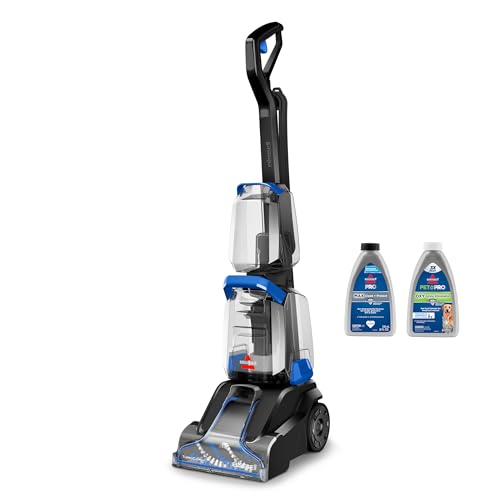

Methods for Eliminating Pests from Upholstery and Carpeting
Thorough vacuuming is essential. I ensure every crevice and corner is covered, emptying the vacuum frequently to prevent re-infestation. Use a vacuum with a HEPA filter for optimal results.
Natural Remedies
I opt for diatomaceous earth, sprinkling it generously over affected areas. After letting it sit for 24 hours, I vacuum it up. This powder dehydrates unwanted insects on contact without harmful chemicals.
Chemical Treatments
For severe outbreaks, I choose insect growth regulators or sprays specifically designed for household pests. Following the instructions carefully, I treat all surfaces, allowing proper drying time before using the areas again.
Identifying Critters on Upholstery and Rugs
Detecting the presence of unwanted insects on your upholstery and rugs requires careful examination. Here are specific signs to look out for:
- Dark Spots: Small black specks can indicate droppings, which suggest activity.
- Eggs: Tiny white or transparent eggs may be located in crevices or seams. These often appear in clusters.
- Skin Shedding: Look for small, discarded exoskeletons that may be camouflaged within fabric fibers.
- Movement: Spotting small, quick movements from tiny creatures that can jump indicates higher likelihood of infestation.
Examine commonly frequented areas such as beneath cushions, along seams, and under furniture legs. Pay attention to spots where pets often rest, as these locations can harbor this issue more prominently.
Utilizing a magnifying glass can help you scrutinize areas more expertly. A flashlight can illuminate hidden corners where pests might hide, making identification easier.
Additionally, if you notice bite marks on your skin after sitting or lying down, this may indicate an issue with these unwanted guests in your living spaces.
Preparing Your Space for Flea Removal
Clear the area by removing all items from surfaces. This includes cushions, throws, and any loose textiles. Wash these fabrics in hot water and dry them on high heat. Vacuum every inch of the flooring and upholstery thoroughly; ensure to reach under and behind large pieces.
Seal any cracks or crevices in the ground or walls to cut off hiding spots. Utilize a vacuum with a HEPA filter to capture tiny pests. Consider emptying the vacuum bag or container immediately after use to prevent any potential escape.
Once the space is vacant, focus on deep cleaning. Use steam cleaning for carpets and upholstery to kill any remaining eggs or larvae. If possible, rent or buy a steam cleaner for a thorough cleanse.
After vacuuming and steam cleaning, treat surfaces with appropriate insecticides, following the manufacturer’s instructions carefully. Ensure proper ventilation in the treated areas. Allow the insecticide to settle and dry fully before reintroducing items.
Maintain a regular cleaning routine post-treatment to assist in preventing any future infestations. Regular vacuuming and washing of textiles can significantly contribute to a pest-free environment.
Vacuuming Techniques to Eliminate Fleas
Utilize a vacuum cleaner equipped with a HEPA filter to trap tiny pests effectively. Regular vacuuming is essential; I recommend doing it daily, especially in areas where pets frequent. Pay special attention to corners, under furniture, and along baseboards, as these spots often harbor eggs and larvae.
Change vacuum bags or empty canisters immediately after use. Dispose of them outside your home to prevent a resurgence of unwanted insects. After emptying, I also suggest running the vacuum over a hard surface to collect any escaped remnants.
Using a crevice tool will help reach tight spaces, while an upholstery attachment is beneficial for cleaning soft surfaces. Combine vacuuming with other methods for enhanced results, such as treating the surrounding area with suitable sprays. This layered approach strengthens the chances of a thorough cleanse.
Consider vacuuming high-traffic areas multiple times a day during an active infestation. For long-term maintenance, establishing a weekly vacuuming schedule can significantly reduce future issues. By being diligent with these practices, I notice a marked decline in pest activity over time.
Choosing the Right Flea Spray or Treatment
Firstly, evaluate the type of pesticide. Look for solutions containing either pyrethroids or insect growth regulators (IGRs), which target both adult insects and their larvae.
Active Ingredients
- Pyrethrins: Natural products derived from chrysanthemum flowers, effective against adult insects but may require repeated applications.
- Pyrethroids: Synthetic analogs of pyrethrins, offering longer-lasting effects.
- IGRs: Chemicals like methoprene or pyriproxyfen disrupt the development of immature insects, preventing them from becoming adults.
Safety Considerations
- Choose products labeled for indoor use to minimize risk during application.
- Avoid treatments containing harmful toxins if children or pets are present.
- Ensure proper ventilation while spraying and consider wearing protective gear such as gloves and masks.
Read reviews and product descriptions before purchasing. Testimonials can provide insight into the efficacy of various sprays and treatments from others’ experiences.
Analyze the coverage area of your chosen product. Some treatments focus on specific spots, while others can be applied broadly across various surfaces.
Finally, follow application instructions meticulously. Timing and method of application can significantly impact the outcome. Consistency in treatment will enhance results, often requiring multiple applications for total eradication.
Deep Cleaning Methods for Carpets and Upholstery
Utilize a steam cleaner for thorough sanitization. The high temperature of steam effectively eradicates pests and their eggs. Ensure to cover all areas, using slow, deliberate movements to allow steam to penetrate deeply.
Consider a mixture of vinegar and water. This natural solution acts as a deodorizer while combating unwelcome inhabitants. Apply it generously, working it into the fibers with a soft brush, then blot the area with a clean cloth to absorb the moisture efficiently.
Baking soda serves as a powerful ally in this process. Sprinkle it liberally over the surfaces, focusing on high-traffic zones. Allow it to sit for several hours, preferably overnight, to absorb odors and moisture, then vacuum thoroughly to lift away residues along with any unwanted intruders.
Engage in shampooing fabrics with a specialized cleaner designed for upholstery. Follow the manufacturer’s guidelines carefully, ensuring that the solution works into the fabric without soaking it excessively. Rinse with a damp cloth to remove any remaining residue, allowing ample time for drying.
For persistent issues, professional cleaning services may be warranted. Experienced technicians employ advanced equipment and techniques to eliminate hidden nuisances that might be overlooked in routine cleaning.
Regular maintenance is key. Schedule deep cleanings at least twice a year, combined with frequent vacuuming to keep the environment inhospitable to any infestations.
Using Natural Remedies for Flea Control
I recommend mixing equal parts of water and white vinegar in a spray bottle. This solution can be applied directly on affected surfaces. The acidic nature of vinegar disrupts the lifecycle of these insects, effectively repelling them.
Essential oils serve as potent agents in managing these pests. I find that a combination of lavender, lemon, and eucalyptus oils mixed with a carrier oil can deter these nuisances. Spraying diluted solutions onto carpets and upholstery can create an unwelcoming environment for them.
Dish soap acts as a trapping mechanism. I often fill shallow dishes with water and add a few drops of dish soap. Placing these around the home at night attracts the insects, leading to their capture.
Baking soda is another powerful tool. I sprinkle it generously on carpets and soft surfaces, allowing it to sit for several hours or overnight. This ingredient works by dehydrating these tiny offenders, helping to eliminate their presence.
I use diatomaceous earth, a natural powder made from fossilized algae. Sprinkling it around specific areas, especially dark corners, helps in desiccating any critters that make contact with it.
Regular washing of pet bedding in hot water aids in controlling future infestations. I make it a point to clean these items weekly, ensuring any eggs or larvae are removed.
Creating barriers with salt acts as a natural deterrent. I spread salt on carpets and leave it for a few days. It dehydrates any pests, diminishing their population.
Maintaining a clean space through consistent vacuuming and washing will help keep any area less hospitable. I prefer using a vacuum with a HEPA filter to capture manageable insects and their eggs efficiently.
Preventing Future Infestations
Regularly wash pet bedding in hot water to eliminate any potential breeding grounds. This practice limits access to a comfortable environment for critters and reduces the chance of a return. Utilize airtight containers for storing pet food, preventing contamination.
Keep your living area tidy. Clutter serves as an inviting hiding spot. Frequent cleaning of spaces, particularly corners and under larger items, is crucial to maintaining a flea-free zone.
Introduce natural predators such as nematodes or diatomaceous earth to outdoor areas. These beneficial organisms can significantly reduce the population of troublesome pests in your surroundings.
Maintain your yard by regularly trimming grass and bushes. Unkempt greenery can attract various insects, thus increasing the risk of pest invasion indoors.
Consider using natural repellents like essential oils. Spraying diluted peppermint or lavender oil on surfaces may deter new guests from taking residence.
Establish a routine for inspecting any new furniture or second-hand items before bringing them inside. This precaution helps ensure nothing unwanted accompanies your purchases.
Invest in quality flea prevention treatments for pets. Regular applications according to the product’s guidelines create a formidable barrier against incoming infestations.
| Strategy | Description |
|---|---|
| Wash Bedding | Use hot water weekly to eliminate pests hidden in fabric. |
| Store Food Properly | Airtight containers prevent contamination and access. |
| Reduce Clutter | Regularly clean and organize to limit hiding spots. |
| Utilize Natural Predators | Nematodes and diatomaceous earth help maintain outdoor populations. |
| Yard Maintenance | Regular trimming keeps greenery unattractive to pests. |
| Natural Repellents | Use essential oils for a preventive barrier on surfaces. |
| Inspect New Items | Thoroughly check purchases to avoid accidental introductions. |
| Pet Treatments | Regular use of prevention products provides ongoing protection. |
When to Call a Professional Exterminator
Recognize the signs of an overwhelming infestation. If home remedies fail after several attempts and the problem persists, it’s time to consider external help. Persistent itching and visible signs of infestation, such as bites or feces, signal a need for expert intervention.
Indicators for Professional Help
When you notice multiple life stages–eggs, larvae, and adults–coexisting in your living space, it’s a clear indication of a deep-rooted issue. Each life stage requires different approaches for elimination, which may exceed standard cleaning methods.
Assessing Your Situation
If pets are constantly affected and treatments seem ineffective, consulting a certified exterminator specializing in pest control can expedite resolution. They possess the knowledge, tools, and chemical treatments that might be necessary for thorough extermination. Evaluating the degree of infestation and personal comfort with DIY methods can guide the decision to call for professional assistance.


