
 Caleb Turner
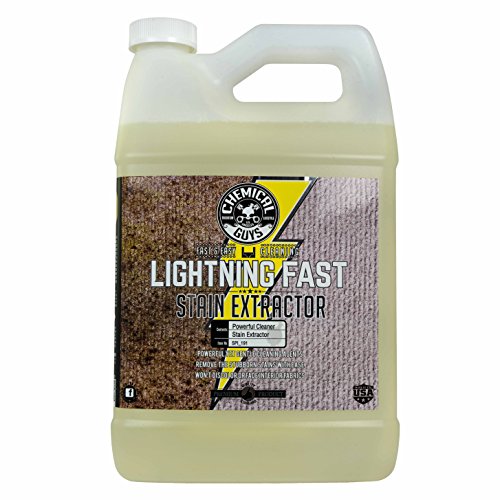
Vacuum regularly using a vacuum equipped with a HEPA filter. This filter captures tiny particles often missed by standard vacuums. Aim for a thorough pass over all surfaces, including seams and crevices where allergens hide.
After vacuuming, deep clean the upholstery with a steam cleaner. High temperatures effectively eliminate stubborn particles. If you don’t own one, consider renting or hiring a professional service.


Utilize pet-safe fabric sprays that neutralize allergens. Always test in an inconspicuous area first to check for any adverse reactions. Additionally, consider using slipcovers or throws, as they are easier to wash and maintain than the original upholstery.
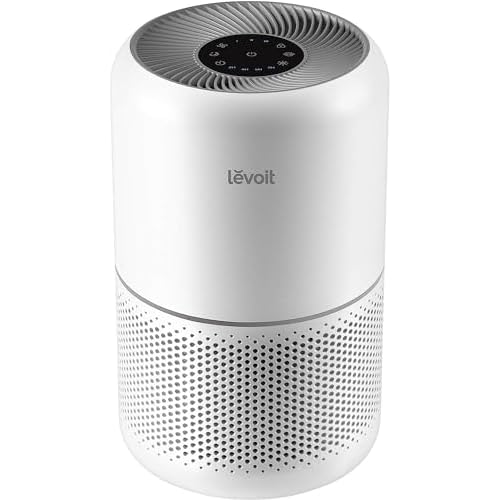
Regularly wash removable covers, if applicable, in hot water to ensure maximum allergen removal. Lastly, maintaining good air quality with HEPA air purifiers throughout your space will contribute to the overall reduction of allergens present.
Eliminating Allergens from Upholstery
A vacuum cleaner with a HEPA filter effectively traps fine particles. I recommend using it regularly on the surfaces, paying particular attention to crevices and seams where allergens can accumulate.
Cleaning Agents
For deeper sanitation, consider the following solutions:
- Mix white vinegar with water in equal parts to create a natural cleaner. Test on a small area first.
- Use a fabric-safe enzyme cleaner specifically designed for organic particles to break down allergens.
- For tough stains, apply baking soda directly, let it sit for a few hours, then vacuum it up to remove odors and particles.
Maintenance Tips
Implementing these practices can enhance results:
- Remove and wash removable covers regularly according to the manufacturer’s instructions.
- Keep the area around upholstery clean by maintaining a dust-free environment to prevent buildup.
- Use anti-allergen sprays to create a barrier that reduces the accumulation of allergens.
After cleaning, ensuring proper ventilation can also aid in diminishing lingering particles. Regular cleaning is key to maintaining a healthy living space.
Understanding Pet Dander and Its Impact on Furniture
I found that the microscopic flakes from animal skin can accumulate on upholstery and surfaces, forming a barrier that collects dust and allergens. This accumulation can lead to an uncomfortable living environment, especially for allergy sufferers. Regular cleaning becomes paramount, as these particles can linger even after the shedding is minimal.
I recommend using a vacuum designed for allergens to lift these particles effectively. Regular vacuuming helps reduce the buildup, but soft brushes or lint rollers are also beneficial for deeper embedded flakes, particularly in fabric upholstery.
<pAdditionally, knowing the materials of your seating is crucial. Some fabrics trap allergens more than others. For example, microfiber is easier to clean than velvet. Choosing machine-washable covers can simplify maintenance, allowing for frequent washing to eliminate irritants.
<pLastly, implementing air purifiers with HEPA filters can significantly reduce airborne allergens, creating a fresher atmosphere while protecting your belongings from the effects of accumulated residues. This combination of strategies ensures a cleaner, healthier living space free from unwanted remnants of our furry companions.
Choosing the Right Cleaning Tools for Pet Dander Removal
I recommend using a vacuum cleaner equipped with a HEPA filter. This type of filter traps small particles, ensuring that allergens are effectively captured from surfaces and upholstery. Opt for a vacuum with various attachments for different materials, as this will enhance your cleaning capabilities.
<p microfiber cloths work well for wiping down surfaces. They attract allergens and prevent them from re-entering the air. Using a damp cloth can further boost their effectiveness, as moisture helps to bind particles, making it easier to remove them.
Consider using lint rollers, especially on upholstered items, as they provide a quick way to remove stray hairs and other allergens. Ensure to have a supply of replacement sheets on hand for continued use.
For deep cleaning, steam cleaners can be beneficial. They utilize high temperatures to effectively eliminate allergens on soft furnishings, ensuring a thorough purification process. Selecting a model with variable steam settings allows for versatility across different surfaces.
Pre-treating surfaces with allergen-reducing sprays can assist in loosening particles before physical removal. Just make sure to opt for products that are safe for your specific materials and do not cause damage.
Lastly, investing in air purifiers can contribute significantly to overall air quality. These devices filter out airborne particles, including allergens linked to animal hair and skin cells, offering ongoing relief in addition to surface cleaning efforts.
Vacuuming Techniques to Lift Pet Dander from Upholstery
Utilize a vacuum cleaner equipped with a HEPA filter for optimal results. This type of filter captures microscopic particles, ensuring more thorough removal of allergens embedded in fabrics. Regular vacuuming, at least once a week, can significantly reduce the presence of irritants.
Technique for Effective Vacuuming
Begin by preparing the area; remove any loose items from the upholstery. Adjust the vacuum to the appropriate height, particularly for soft surfaces. Use an upholstery attachment with a brush nozzle; this ensures the bristles agitate the fabric fibers, lifting allergens effectively. Move the vacuum in a slow, overlapping motion to cover every inch of the surface. Pay extra attention to seams and folds, as these areas accumulate more debris.
Additional Tips for Enhanced Cleaning
Consider steaming the upholstery before vacuuming. The heat from the steam can loosen any ingrained particles. Allow the fabric to cool before vacuuming. For stubborn spots, lightly dampen the fabric with water or a suitable cleaner, but ensure it is safe for the material. Always follow up with vacuuming, as this helps to remove both the debris and moisture, preventing mildew.
Using Lint Rollers for Quick Dander Cleanup
For swift removal of allergens from various surfaces, I rely on lint rollers. These handy tools offer a simple solution to tackle the accumulation of hair and microscopic particles left behind by my furry companions.
Having an ample supply of lint rollers near furniture makes spontaneous cleaning effortless. Their adhesive sheets capture debris effectively. Here’s how I maximize their use:
| Step | Description |
|---|---|
| 1 | Firmly press the roller against the fabric or upholstery, allowing the adhesive to grip particles. |
| 2 | Roll in one direction to prevent particles from scattering. |
| 3 | Replace the sheet as needed to maintain effectiveness. |
| 4 | For hard-to-reach spots, use the edge of the roller or cut sheets into smaller pieces. |
Using this method, I find that soft furnishings and delicate areas become significantly cleaner in minutes. Convenience combined with efficiency makes lint rollers a go-to for tackling allergenic residues promptly.
Washing Removable Covers and Cushions Safely
I recommend checking the care labels on removable covers and cushions before washing. Most of them provide specific temperature settings and washing instructions. For machine-washable items, use a gentle cycle with cold water to prevent shrinkage and fading.
Adding a mild detergent designed for sensitive materials will help in keeping fabrics intact. Avoid bleach, as it can damage fibers and alter colors. To remove odors, consider adding a cup of white vinegar during the rinse cycle, which acts as a natural deodorizer.
If the covers are particularly dirty, pre-treat any stains with a mixture of water and a few drops of dish soap. Apply it with a soft cloth, gently blotting the area before washing. This method helps lift stains without harsh scrubbing.
For cushions that can’t be machine washed, spot cleaning is effective. Mix a small amount of mild detergent with water and dab it onto the stained area with a clean cloth. Rinse with a damp cloth to avoid soap residue.
After washing, air drying is preferable. If the care label permits tumble drying, use a low heat setting but be cautious of overheating, which can affect the fabric’s integrity. Fluff the cushions after drying to maintain their shape.
Regularly refreshing these elements not only prolongs their life but also reduces allergenic residues, contributing to a fresher living environment.
Applying Specialized Cleaners Effectively
Selecting the right cleaner is pivotal for effective removal of allergens from surfaces. Opt for enzymatic cleaners specifically formulated for animal-related residues. These solutions contain bioactive substances that break down proteins found in organic matter, including hair and skin flakes.
Steps for Application
- Test a small area to ensure compatibility with the material before widespread use.
- Spray the cleaner generously on targeted areas, allowing it to penetrate for 5-10 minutes.
- Utilize a clean cloth to gently blot the area, avoiding excessive scrubbing to prevent damage to the surface.
- Rinse with a damp cloth to eliminate any cleaner residue.
- Let the area dry completely to prevent mold or mildew growth.
Additional Tips
- For stubborn marks, reapply the cleaner and let it sit longer before blotting.
- Consider using a vacuum with a HEPA filter after cleaning to capture any remaining particles.
- Always refer to the manufacturer’s instructions for specific care guidelines related to your upholstery or surface type.
Preventing Dander Buildup with Regular Maintenance
I conduct weekly vacuum sessions using a high-efficiency particulate air (HEPA) filter attachment to minimize allergens. This tool catches microscopic particles, effectively preventing accumulation on upholstery. I also make it a point to vacuum beneath and behind all sitting areas, where debris often builds up unnoticed.
Routine Washing of Removable Items
I recommend washing removable cushion covers and throws at least every other week using hot water. This kills off potential allergens and refreshes the fabric. Always check labels for washing instructions to avoid damage.
Creating a Cleaning Schedule
Implementing a monthly deep cleaning routine is beneficial. During these sessions, I use specialized sprays designed to neutralize allergens on surfaces. Incorporating this into my cleaning strategy ensures my living space remains comfortable and inviting.
Utilizing Air Purifiers to Reduce Allergens in Home
A high-quality air purifier can significantly minimize allergenic particles, ensuring a healthier living space. Look for models equipped with HEPA filters, which are designed to capture fine particles effectively, including those tiny debris that may cause reactions.
Placement of Air Purifiers
Positioning is key for optimal performance. Place air purifiers in common areas where airflow is frequent, such as living rooms or bedrooms. Ensure there is ample space around the units for unobstructed airflow, allowing them to cleanse the air efficiently.
Maintenance and Filter Replacement
Regular maintenance is vital for consistent performance. Follow the manufacturer’s guidelines on filter replacement; many recommend changing filters every 6-12 months. Additionally, keep the purifier’s exterior clean to prevent dust buildup that could hinder airflow.
By integrating an air purifier into your home, you can minimize irritants and contribute to a more pleasant indoor environment, reducing potential allergy triggers over time.
Seeking Professional Cleaning Services for Stubborn Dander
In challenging cases where at-home techniques fail, enlisting specialized cleaning services can be beneficial. These professionals typically utilize advanced equipment and tailored cleaning solutions designed specifically for removing stubborn allergens from upholstery. Look for companies that guarantee thorough inspections before initiating any cleaning process.
Request information on the methods they use–steam cleaning and deep cleaning are frequently effective against embedded particles. Verify if the service provider employs environmentally friendly products to ensure the safety of your household, especially if there are respiratory sensitivities involved.
Inquire about the qualifications and experience of the cleaning technicians. A team well-versed in dealing with various materials and types of surface contaminants will deliver better results. Additionally, ask for references or reviews to gauge their reliability and effectiveness.
Scheduling regular cleanings can help maintain a healthier environment, and establishing a relationship with a quality service can save time and worry in the long run. Make certain to communicate any specific concerns regarding your furnishings and desired outcomes before the appointment.


