
 Caleb Turner

To effectively eliminate unpleasant odors from your cloth seating, I recommend using a mixture of baking soda and essential oils. Simply sprinkle a generous amount of baking soda across the surface, allowing it to settle for several hours or overnight. The baking soda acts as a natural deodorizer, absorbing unwanted scents.
After the designated time, vacuum the baking soda thoroughly. For an enhanced fragrance, add a few drops of your preferred essential oil–lavender or lemon work particularly well–onto a cotton ball and place it beneath the cushions. This method keeps the area smelling fresh without overpowering the original scent of the material.
If deeper cleaning is necessary, consider using a fabric-safe cleaner. Test a small, inconspicuous section first to ensure there are no adverse effects. Following the manufacturer’s instructions can prevent damage to the textile while adequately refreshing its appearance and aroma.
Regular maintenance with these techniques can significantly improve the atmosphere of your home and maintain the integrity of your pieces over time. I find that consistent care reduces the chances of lingering odors.
Identifying the Source of Odors
Begin by inspecting the fabric for visible signs of moisture or mold, which often contribute to unpleasant scents. Check seams, corners, and any crevices where dirt might accumulate. A flashlight can help illuminate darker areas.


If the exterior appears clean, move to the underlying layers. Remove cushions and look underneath; a source of dampness could be lurking there. Feel for any damp areas and assess whether they correspond to certain locations or conditions.
The environment plays a role too. Humidity and insufficient ventilation can lead to odor development. Consider the room’s air circulation and use a hygrometer to measure moisture levels in the air. If humidity is high, a dehumidifier may be necessary.
Consider the nearby objects or surfaces as well. Sometimes, adjacent items harbor their own challenges. For instance, a water-damaged wall or a damp carpet might be the real culprits. Assess these locations if the odors persist after inspecting the primary item.
Lastly, examine the items in proximity to your piece. Items such as blankets, throws, or pillows might carry odors that transfer. Removing these can help isolate the problem and clarify the source.
Choosing the Right Cleaning Solution for Upholstery
Select a solution based on the fabric type. Check labels for compatibility with your specific material. For delicate textiles, opt for mild options like gentle fabric cleaners or soapy water. Strong chemicals can damage fibers.
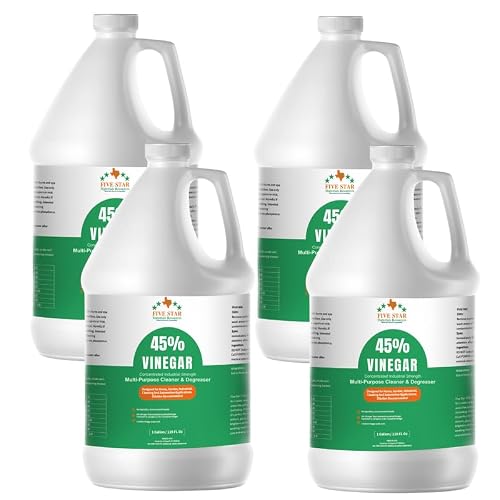
Consider homemade mixtures. A blend of white vinegar and water works well for many types; use one part vinegar to three parts water. This natural approach not only cleans but also neutralizes odors effectively.
- For synthetic materials, enzymatic cleaners can break down the particles causing odors. Follow the application instructions carefully.
- For leather, pH-balanced products maintain natural oils without causing damage.
- Always test a small area before full application. This ensures the solution doesn’t alter color or texture.
Read user reviews and check manufacturer recommendations for suggested brands. Solutions specifically designed for upholstery can yield the best results, as they target embedded residues.
- Gather supplies: cleaner, soft cloths, vacuum, and a brush.
- Apply the chosen solutions according to guidelines. Use a dab method to avoid oversaturating.
- Let the area dry completely; this helps prevent residual growth of fungi or bacteria.
Regular maintenance with appropriate cleaners supports the longevity of your pieces. Establish a cleaning schedule that includes vacuuming and spot treatment with suitable products.
Techniques for Deep Cleaning Upholstered Furniture
The first step I take is vacuuming thoroughly using an upholstery attachment. This removes loose dirt, dust, and debris that can contribute to odors. I ensure every nook and cranny is addressed for maximum effectiveness.
Next, I focus on spot cleaning any stains. A mixture of warm water and a few drops of mild dish soap usually does the trick. I use a clean cloth to dab the area, being careful not to oversaturate the fabric.
Steam cleaning offers a deep cleanse, so I pull out my steam cleaner for stubborn residues. This method helps lift dirt and refreshes the fibers without harsh chemicals, while also killing any lurking allergens.
For natural deodorizing, I sprinkle baking soda over the surface and allow it to sit for several hours, absorbing odors. After that, I vacuum it up to remove both the baking soda and the trapped smells.
If persistent odors linger, I mix equal parts of water and white vinegar in a spray bottle. Lightly misting the fabric and letting it air dry helps neutralize unwanted scents without damaging the material.
Finishing with a fabric-safe textile spray can add a subtle, pleasant fragrance and provide some level of protection against future odors. I make sure to choose a product specifically designed for this purpose.
Natural remedies to eliminate musty odors
Vinegar acts as a powerful natural deodorizer. Mix equal parts of white vinegar and water in a spray bottle, lightly mist the surface, and let it air dry. The acetic acid neutralizes unpleasant fragrances without leaving residue.
Baking Soda Application
Baking soda absorbs unwanted odors effectively. Sprinkle a generous amount over the target area, allow it to sit for several hours, or overnight if possible. Vacuum thoroughly afterward to remove both the baking soda and the absorbed odors.
Essential Oils for Freshness
Essential oils not only mask odors but also provide antimicrobial properties. Prepare a solution with water and a few drops of oils like tea tree, lavender, or eucalyptus. Lightly spray the mixture on the material, ensuring not to saturate the fabric.
| Natural Remedy | Method | Effectiveness |
|---|---|---|
| White Vinegar | Spray diluted solution, let dry | High |
| Baking Soda | Sprinkle, let sit, vacuum | Very High |
| Essential Oils | Mix with water, spray lightly | Moderate |
Using these natural options can greatly enhance the freshness of your soft furnishings, helping maintain a pleasant indoor atmosphere.
Preventive Measures to Avoid Future Odors
Regularly vacuuming upholstery helps eliminate dirt and dust that contribute to unpleasant odors. I set aside time each week to use a vacuum cleaner equipped with a brush attachment, ensuring I reach nooks and crannies where debris can accumulate.
Introducing air circulation is key. I keep windows open when possible to promote fresh airflow, which helps mitigate stagnant conditions that can lead to musty environments. Additionally, using fans in enclosed spaces enhances ventilation.
Humidity Control
Maintaining optimal humidity levels is crucial. I utilize a dehumidifier in spaces that feel damp, as excessive moisture encourages odor development. Monitoring humidity with a hygrometer allows me to maintain a comfortable level between 30% and 50%.
Use of Protective Covers
Applying protective slipcovers can safeguard upholstery from spills and stains. I choose materials that are washable, making it easy to clean and remove potential sources of odors. Regular washing of slipcovers is part of my routine to preserve freshness.
When to Consider Professional Cleaning Services
Scheduling a service for specialized cleaning should be considered if home methods fail to remove persistent odors and stains. A thorough assessment of the condition of the item can guide this decision.
Signs It’s Time for Experts
- Odors linger despite multiple cleaning attempts.
- Stains are deeply embedded and resistant to common solutions.
- Visible mold or mildew appears, indicating potential health risks.
- Item is delicate or valuable, requiring careful handling.
Benefits of Professional Assistance
- Access to advanced cleaning technologies and specialized products.
- Expertise in identifying and treating complex issues.
- Efficient and thorough results that save time.
Consulting with cleaning professionals can provide tailored solutions and strategies that enhance the longevity and freshness of your belongings.
FAQ:
What are the common causes of musty smells in upholstered furniture?
The musty smell in upholstered furniture typically arises from mold and mildew, which thrive in damp conditions. Poor ventilation, humidity, and spills that are not cleaned promptly can contribute to this problem. Additionally, the absorption of odors from pets, smoke, or food can also lead to musty scents over time.
How can I effectively remove musty smells from my couch?
To remove musty smells from your couch, start by vacuuming it thoroughly to eliminate dirt and dust. Next, sprinkle baking soda liberally over the upholstery and let it sit for several hours or overnight to absorb odors. After this, vacuum again to remove the baking soda. For persistent smells, consider using a mixture of equal parts water and vinegar in a spray bottle. Lightly mist the fabric and allow it to air dry, as vinegar can help neutralize odors.
Is it safe to use commercial fabric fresheners on my upholstered furniture?
Yes, many commercial fabric fresheners can be safe for upholstered furniture, but it’s best to check the label first. Some products contain strong chemicals that may damage certain fabrics or leave residues. Test the freshener on a small, inconspicuous area before applying it to the entire surface. If your furniture is delicate or expensive, consider opting for natural alternatives instead.
How often should I clean my upholstered furniture to prevent musty odors?
To prevent musty odors, it’s advisable to clean your upholstered furniture every six months. Regular vacuuming helps remove dirt and allergens that can contribute to odor. Additionally, perform spot cleaning immediately after spills and consider using professional cleaning services annually, especially for high-use items. Ensure the area where the furniture is located is well-ventilated, as this also helps mitigate odors.
Can I use essential oils to help remove musty smells from upholstered furniture?
Yes, essential oils can be a pleasant and natural way to combat musty odors. Oils like tea tree, lavender, or eucalyptus have antimicrobial properties, which can help eliminate mold and mildew. You can mix a few drops of essential oil with water in a spray bottle and lightly mist the upholstery. Make sure not to soak the fabric and allow it to dry completely. Always test on a small area first to ensure there is no adverse reaction.


