Caleb Turner
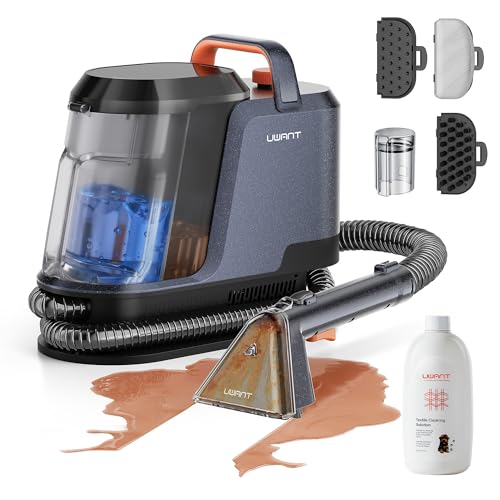
First, I recommend creating a mixture of equal parts water and white vinegar in a spray bottle. It’s a simple yet potent solution for tackling discolorations caused by fungal growth. Lightly mist the affected area, but avoid saturating the material to prevent damage.
After applying the vinegar solution, take a soft brush to gently scrub the stains. This step is essential as it helps lift the spores embedded in the fibers without harming them. Once the scrubbing is done, use a clean cloth to blot the area, absorbing excess moisture.
Next, allow the upholstery to air dry thoroughly in a well-ventilated space. Sunlight is your ally; its natural rays can assist in eliminating remaining spores. If needed, consider a second round with the vinegar mixture after it has dried to ensure any lingering traces are eradicated.

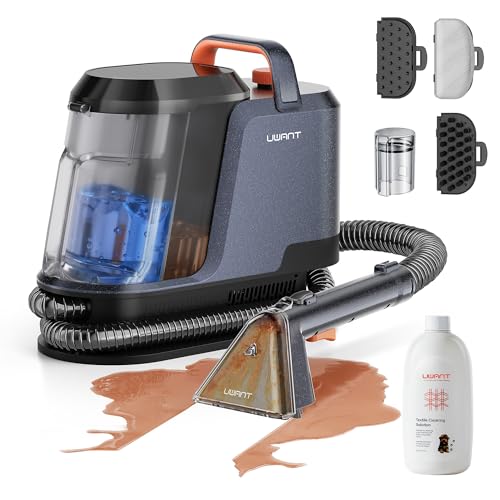
For persistent cases, a paste made from baking soda and water can be applied. Spread the paste over the stains and let it sit for a few hours. The absorption properties of baking soda work wonders in neutralizing odors and combating residual fungal growth.
Identifying mold on fabric surfaces
Look for discoloration or dark patches on the textile. These are often indicators of fungal growth. Inspect areas that experience higher moisture levels, such as under cushions, in creases, or near seams where dampness can accumulate. Use good lighting to assist in visibility.
Texture Examination
Rub your hand across the surface; a fuzzy or slimy texture suggests the presence of spores. This tactile method can help differentiate between regular dirt and actual fungal infestation.
Odor Detection
Pay attention to musty odors. If your upholstery emits a damp scent, it could hint at hidden issues beneath the surface, indicating possible fungal colonies. Trust your sense of smell to guide your investigation.
Choosing the Right Cleaning Solution for Fabrics
I recommend using a mixture of white vinegar and water for a natural cleaning solution. Combine one cup of vinegar with one cup of water in a spray bottle. This formula works effectively against unwanted spores while being safe for most textiles. Always test on a small, inconspicuous area first to ensure no discoloration occurs.
Commercial Options
If you prefer commercial products, look for cleaners specifically designed for upholstered materials. Products labeled as “fabric-safe” and containing antifungal agents can be highly effective. Check for non-toxic listings to avoid harsh chemicals that may damage the texture or color of your items.
Homemade Solutions
A baking soda paste can also be utilized. Mix a quarter cup of baking soda with a few drops of water to create a thick paste. Apply it directly to the affected areas, let it sit for a few hours, and then vacuum or brush it off. This method not only cleans but also neutralizes odors.
Preparing the Furniture for Mold Removal
Before commencing cleanup, I ensure all items near the affected area are moved away to prevent cross-contamination. This involves removing cushions, pillows, and any ancillary decorative pieces to allow full access to the surface needing treatment. I also open windows and doors for adequate ventilation, which aids in reducing any airborne spores released during the cleaning process.
Inspecting the Area
I carefully examine the entire piece for any additional signs of growth beyond visible spots. Often, mold can spread deeper into the material than it appears on the surface, necessitating a thorough check. A flashlight can be a useful tool for spotting subtle discoloration or texture changes that might indicate deeper infestations.
Gathering Supplies
Next, I compile necessary cleaning supplies. This typically includes a vacuum with a HEPA filter, soft brushes, and chosen cleaning solutions. Ensuring I have everything on hand minimizes interruptions during the cleanup and ensures a systematic approach. I also wear protective gear such as gloves and a mask to shield myself from potential allergens during the process.
Step-by-step cleaning process for fabric seating
Begin by gathering necessary supplies: a vacuum cleaner with an upholstery attachment, a soft brush, distilled white vinegar, baking soda, a spray bottle, and a microfiber cloth.
1. Vacuum the upholstery: Use the upholstery attachment to thoroughly remove dust and debris. Pay special attention to seams and crevices.
2. Prepare the cleaning solution: Mix equal parts of distilled white vinegar and water in a spray bottle. For tougher spots, add a tablespoon of baking soda for additional cleaning power.
3. Test the solution: Before applying, test on an inconspicuous area to ensure no discoloration occurs. Wait a few minutes after application.
4. Apply the solution: Lightly spray the affected areas with the cleaning mixture. Avoid soaking the material. Allow it to sit for 10-15 minutes to break down impurities.
5. Blot the area: Use a microfiber cloth to gently blot the treated spots. Work from the outside in to prevent spreading any remaining contaminants.
6. Rinse with clean water: Dampen another cloth with clean water and blot the area to remove any vinegar solution residue. It’s important not to overwet the material.
7. Dry the upholstery: Allow it to air dry completely. Use a fan or open windows to facilitate the drying process. Avoid direct sunlight to prevent fading.
8. Re-vacuum if necessary: Once dried, vacuum again to remove any loosened debris and restore the texture.
9. Consider a protectant: Once clean and dry, applying a fabric protectant can help prevent future stains and dirt accumulation.
Drying and Restoring the Fabric After Cleaning
After completing the cleaning, ensure that the material dries thoroughly to prevent any further issues. I find that using a fan or dehumidifier accelerates the drying process significantly. Position the fan to blow air over the surface for even drying, which helps avoid water spots or lingering dampness.
If sunlight is available, placing the item in a well-lit area can be beneficial. Natural light not only aids drying but can also help eliminate any residual odors. However, be cautious of prolonged exposure, as it may cause fading in some colors.
To restore the texture of the item, once it’s dry, I gently brush the surface with a soft-bristle brush. This helps lift the fibers and brings back the original appearance. For upholstery that has lost its shape, using a fabric softener diluted in water during the rinse phase can improve the feel and flexibility.
Finally, I recommend applying a fabric protector to shield against future issues. This creates a barrier that can repel moisture and stains. Follow the product instructions carefully for optimal results.
Preventing Future Fungi Growth on Upholstered Surfaces
Maintaining a dry environment is crucial. Ensure adequate ventilation in your space, especially in high-humidity areas like basements and bathrooms. Employ dehumidifiers to keep moisture levels in check.
Regularly inspect your textiles for any signs of dampness. After cleaning spills, allow them to air out quickly. This helps reduce the chances of moisture accumulation.
Consider using protective sprays designed for upholstery that repel liquids and inhibit microbial growth. Following manufacturer’s instructions ensures maximum effectiveness.
Implement a cleaning schedule that incorporates using appropriate solutions to eliminate dust and allergens. A clean surface is less likely to attract spores.
Choose breathable materials and avoid heavy drapery in spaces that trap moisture. Opt for natural fabrics with moisture-wicking properties for items exposed to humidity.
In areas prone to dampness, avoid placing upholstered items directly on moisture-retaining surfaces like concrete or unsealed wood. Utilize coasters or moisture barriers underneath.
| Tip | Description |
|---|---|
| Ventilation | Keep windows open and utilize exhaust fans. |
| Dehumidifiers | Use in humid environments to maintain low moisture levels. |
| Protective Sprays | Apply to create a barrier against water and microbial activity. |
| Regular Cleaning | Schedule periodic maintenance to eliminate allergens and dirt. |
| Material Selection | Choose breathable options to enhance airflow and reduce dampness. |
| Moisture Barriers | Use coasters or mats to separate upholstery from damp surfaces. |
Train family members on the importance of keeping surfaces dry and clean. Educational efforts can foster better maintenance habits.