
 Caleb Turner
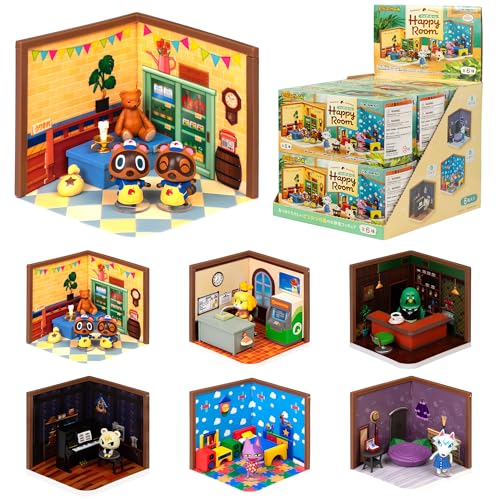
Begin by selecting a specific theme for your space. Whether it’s rustic, modern, or playful, a clear direction will guide your choices. For instance, if you aim for a cozy cottage feel, opt for wooden pieces, soft textiles, and warm colors.
Next, use color palettes strategically. Choose a primary color and a couple of complementary shades to paint walls and select items. This approach seamlessly ties various elements together. Consider popular combinations, such as soft pastels with white accents or bold hues paired with earthy tones.
For your selections, explore DIY options or seasonal items from vendors. Crafting custom designs can add a personal touch, ensuring each piece resonates with your theme. Regularly check delivery times for limited-edition collections to ensure your vision remains intact.


Finally, layer in texture and functionality. Mix materials like wood, metal, and upholstered elements to create visual interest. Incorporate lighting thoughtfully by blending natural and artificial sources, enhancing the overall atmosphere while maintaining a cohesive design.
Acquiring Cohesive Decor in the Game
Focus on a specific theme or color palette for your collection; this simplifies the selection process. For example, if you lean towards a rustic aesthetic, search for items within the log or wooden series. You can view all available options for a set in the DIY recipes section of your crafting menu.
Trade with other players or visit online communities dedicated to the experience. This opens up opportunities to find pieces you may be missing. Platforms like Reddit and Discord have dedicated channels where exchange happens frequently.
Utilize the Nook’s Cranny shop regularly, as the inventory changes each day. Pay attention to any limited-time items that may complement your existing collection.
Visit the Happy Home Paradise DLC. There, you can interact with different villagers and be inspired by their interior designs. This will give you additional ideas on how to align various items seamlessly in your own space.
Consider seasonal events where unique items are available. Participate actively in these occasions, especially during festivities, to add rare elements to your collection.
Lastly, catalog the items you own. Keep a checklist to track what you have and what you still need, making it easier to visualize your dream setup.
Understanding Furniture Styles and Themes
Choosing distinct aesthetics for your space is key. Focus on a specific theme, such as modern, rustic, or oriental, to bring coherence to your environment. Identifying a style upfront streamlines your selection. For instance, mid-century pieces feature sleek lines and earthy colors, while bohemian decor often incorporates vibrant patterns.
Popular Styles to Consider
1. Modern: Characterized by minimalism, prioritize clean lines and neutral palettes. Look for modular items that can be easily arranged to adapt to your space.
2. Classic: Timeless appeal with rich woods and intricate details. Opt for items that radiate elegance, like ornate chairs and sturdy tables.
3. Industrial: Raw and unfinished, featuring metals and reclaimed wood. Select less polished items to convey a rugged charm.
4. Rustic: Emphasizes natural elements and earthy tones. Choose wooden accessories and textiles that reflect comfort and warmth.
Identifying Themes for Your Space
Once a style is chosen, narrow down to specific themes. For example, a beach theme emphasizes light colors, airy fabrics, and nautical decor. Combining items from one theme avoids clash, making your area feel more cohesive. Use seasonal changes to refresh looks, swapping out accessories without overhauling everything.
Mixing styles can also create unique environments; just ensure they complement each other. Balance is crucial; a feature piece can tie disparate styles together, ensuring a harmonious look. Analyze your favorites and reflect that in your overall design to establish a personalized atmosphere.
Identifying Your Desired Aesthetic
Begin by defining your personal style. I recommend creating a mood board using screenshots of your favorite items or visiting design websites for inspiration. Focus on color palettes, patterns, and textures that captivate you.
Analyze Your Surroundings
Examine your current environment. What themes resonate with you? Is it a rustic cottage vibe or a sleek modern look? Knowing where your interests lie helps to streamline your search for pieces that complement each other.
Experiment with Combinations
Try mixing and matching different styles within your space. I enjoy playing around with various combinations until I find an arrangement that works. Use items from different collections and pay attention to how they interact–balance is key. Emphasize elements that bring both harmony and contrast to your setup for a unique touch.
With a clear understanding of your aesthetic, sourcing suitable décor makes the process straightforward and enjoyable. Take your time to curate a space that reflects your individuality.
Locating Furniture Pieces in Nook’s Cranny
Nook’s Cranny operates on a rotating inventory that refreshes every day. When aiming to find specific items, I recommend visiting this shop each day to check the new stock. Each time, there are two items displayed for sale, along with a selection of wallpaper, flooring, and other goods. Pay attention to the items available as they vary daily.
For efficient searching, note which items appeal to your aesthetic. I often take screenshots or keep a list of desired pieces. This helps me recognize similar styles or themes when browsing. Additionally, utilizing a checklist of sets can assist in tracking what I’ve obtained and what remains to be found.
Sometimes, particular items may not appear in Nook’s Cranny as frequently. For rare pieces, consider the following:
| Strategy | Description |
|---|---|
| Check the Timings | Inspect Nook’s Cranny at various times throughout the day to maximize chances of finding distinct items. |
| Send in Requests | Ask friends for help if you know of specific pieces they may have available. Networking often leads to great finds. |
| Use the Catalog | Once you collect an item, check your catalog frequently to reorder anything you missed. |
| Visit During Events | Special events sometimes offer unique items; don’t miss your chance during holidays or seasonal celebrations. |
Each day presents new opportunities within Nook’s Cranny. Revisiting regularly ensures that my collection continues to grow and evolves in style.
Utilizing Crafting Materials for Customization
Collecting crafting materials is essential for personalizing your spaces. Focus on gathering items like wood, clay, iron nuggets, and stone. Each of these can be transformed into various creations that fit your desired style.
Once I have a decent supply of resources, I prioritize DIY recipes that align with my aesthetic. Specific themes often require unique materials, so I keep an organized inventory. Recipes for popular items can often be found in bottles on the beach or from villagers.
Experimentation is key. I often mix and match materials during the crafting process to discover new aesthetics. Items can be customized with different colors. For example, a wooden bench can become a bright centerpiece with just a paint change.
Utilizing customization options gives a unique twist to standard items. I visit my crafting table regularly, exploring the vast array of customizations available through my collected materials. Crafting not only enhances the appearance but also adds a personal touch that reflects my style.
Attending seasonal events can yield exclusive recipes that require unique materials. I always make sure to gather special items during these times to keep my collection fresh and exciting.
Trading with Villagers for Specific Items
To acquire unique pieces that fit my desired style, I focus on trading with my neighbors. Here are some effective strategies:
- Build relationships with villagers by engaging in daily conversations and completing their tasks. This increases their willingness to trade.
- Take note of each villager’s favorite items and styles. This knowledge enables targeted requests for specific pieces.
- Offer unwanted items in exchange. Sharing something they might appreciate raises the likelihood of getting what I need.
- Frequent visits to different villagers can expand my opportunities for trades. Each has distinct items in their inventory.
- Utilize the “Give” option, which allows me to directly request an item in exchange for something they own. Timing plays an important role, so I check back daily.
Specific Villagers with Unique Items
Certain characters offer exclusive items. Engaging with these particular villagers can significantly boost my collection:
- Renee often has sporty-themed décor.
- Colton tends to have classic items from the “Smart” category.
- Mary usually trades whimsical and pastel-themed objects.
Understanding each villager’s profile enhances the probability of obtaining those elusive pieces that align with my aesthetic vision.
Displaying Furniture for a Cohesive Look
To create a harmonious environment, I focus on thoughtfully arranging pieces to enhance their visual connection. Group similar themed items together, such as rustic wood accents or modern minimalist designs. This not only defines the space but also adds depth to the décor.
Color Coordination
Matching colors plays a significant role. I choose a dominant color palette and select items that resonate with those hues. Accessories like throw pillows, rugs, and wall art should complement the main pieces. If I have a vibrant table, I opt for softer-toned seating to balance the visual weight.
Layering Textures
Incorporating different materials can add richness to the design. I mix wood with metal and textiles for a warm yet stylish ambience. For instance, pairing a sleek metal lamp with a plush woven rug creates an inviting contrast. Remember, the layering of textures can transform a simple area into a captivating focal point.


