
 Caleb Turner

Applying a few drops of rubbing alcohol onto a cotton ball or soft cloth has been an effective approach for tackling those vivid cosmetic spots. Gently dab the stained area, being careful not to rub, as this can spread the unwanted mark further. I’ve found that using a blotting technique lifts the color without damaging the fabric’s surface.
Next, rinsing the area with cool water helps in removing any remaining residue. After treating the stain, using a damp cloth to blot the area is crucial. This not only cleanses the surface but also prepares it for a mild soap solution, which can further diminish any lingering traces.
For stubborn spots, a paste made from baking soda and water applied for a few minutes can work wonders. Afterward, simply wipe the area clean with a damp cloth. It’s essential to test any cleaning method in a hidden spot first to ensure that the fabric maintains its integrity.
Removing Stains from Upholstered Surfaces
I recommend using rubbing alcohol for effective removal. Dampen a clean cloth with the alcohol and gently blot the stained area, avoiding excessive rubbing to prevent damage to the fabric. Change cloths frequently to avoid spreading the residue.
Alternative Solvents
If rubbing alcohol isn’t available, try using a mixture of dish soap and warm water. Apply a small amount to a soft cloth, gently dab at the mark, and then wipe with a damp cloth to remove soap residue. Always perform a patch test in an inconspicuous area first to ensure colorfastness.


Final Steps for Cleanup
<p After treating the stain, allow the area to dry completely. Once dry, vacuum the upholstery to restore texture and remove any remaining particles. For persistent marks, consider consulting a professional upholstery cleaner for tailored solutions.
Assess the Type of Fabric or Material
Identifying the specific material or fabric of the affected item is the first step towards effective stain removal. Different materials respond uniquely to various cleaning agents. For instance, cotton and polyester blends are typically more forgiving, allowing for a wider range of treatments. In contrast, delicate fabrics such as silk or velvet necessitate a gentler approach to avoid damage.
Common Fabric Types
Cotton and synthetic fabrics may tolerate mild solvents or detergents. For leather, it’s crucial to use products formulated for leather care to prevent drying or discoloration. Natural fibers like wool require careful handling. Always test a cleaning solution in an inconspicuous area first to ensure there’s no adverse reaction.
Hard Surfaces
For non-upholstered items, like wooden or metal surfaces, a carefully chosen cleaning agent can be effective. Check manufacturer recommendations to avoid any potential harm to the finish. Ensuring the right approach based on the type of material will significantly increase the chances of successfully removing unwanted marks.
Gather Necessary Cleaning Supplies
Prepare the following items to tackle stained upholstery:
| Item | Purpose |
|---|---|
| Clean white cloths or paper towels | To blot and absorb excess product without spreading it |
| Soft-bristled brush or old toothbrush | For gentle scrubbing without damaging the fabric |
| Liquid dish soap | To create a mild cleaning solution |
| White vinegar | Effective natural cleaner with stain-lifting properties |
| Rubbing alcohol or nail polish remover | Specialized solvents to help break down stubborn residues |
| Water | For rinsing and diluting cleaning agents |
| Spray bottle | Convenient for applying liquid cleaners |
Ensure all materials are easy to access and at hand before proceeding with the cleaning procedure.
Test Cleaning Solution on a Hidden Area
I recommend selecting an inconspicuous spot on your item before applying any cleaning solution. This may be the underside of a cushion or a corner that’s less visible. Dampen a clean cloth with your chosen mixture and gently apply it to the hidden area. Allow it to sit for a few minutes, then blot with a dry cloth to assess any discoloration or damage.
If the test area remains unaffected, proceed carefully with treating the stained section. However, if you notice any negative changes, reconsider your approach or choose a gentler alternative. Always prioritize the integrity of the material to avoid long-term damage.
Apply Cleaning Method for Stains
I recommend using a blotting technique to manage the mark efficiently. First, place a clean cloth or paper towel directly over the affected spot. Apply gentle pressure to absorb as much of the stain as possible. Avoid rubbing, as it can make the situation worse.
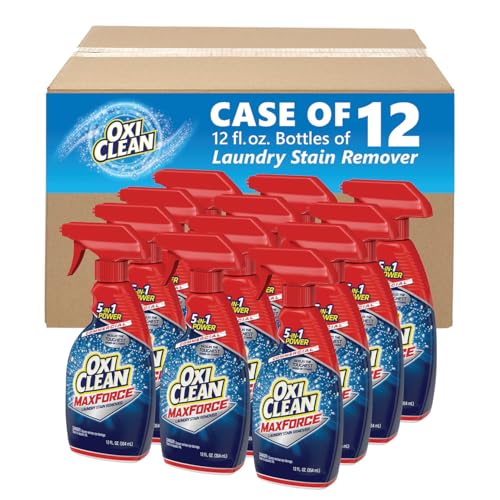
Next, depending on your gathered supplies, choose a suitable cleaning solution. For fabric materials, a mixture of mild dish soap and warm water works well. For tougher surfaces, rubbing alcohol or a commercial stain remover may prove effective.
Apply the chosen solution to a fresh cloth. Gently dab the stained area without oversaturating. Always focus on the outer edge of the stain and work inward to prevent spreading.
After dabbing for a few minutes, check the cloth for color transfer and adjust your method accordingly. If necessary, rinse the area with a small amount of water using another clean cloth to ensure no cleaning solution residue remains.
For upholstery, consider using a vacuum cleaner with an upholstery attachment once the area is dry. This will help restore the texture and remove any leftover debris.
Maintain patience throughout the process. It may take several applications to completely eliminate the blemish. Should lingering marks remain after attempts, seek out a professional cleaner specializing in the type of material you’ve treated.
Rinse and Blot the Stained Area
Immediately after treating the stain, I proceed to rinse the affected section. For this, I use clean, lukewarm water. It’s crucial not to soak the material; instead, I lightly dampen a cloth and gently dab the stained region to remove any excess cleaning solution.
After rinsing, I blot the area with a dry cloth or paper towel. This step assists in absorbing moisture and residue from the cleaning agent. I avoid rubbing, as it can spread the stain further or damage the fabric.
- Use a soft cloth or paper towel to blot.
- Work from the outside of the stain towards the center to prevent spreading.
- Repeat the rinsing and blotting if necessary, until the area is clean.
Ensuring that the fabric dries properly is also essential. I leave it to air dry or gently use a fan to speed up the process, taking care to keep direct heat away from the material.
Prevent Future Makeup Stains
Cover surfaces with a protective fabric or throw. This simple step can act as a barrier and absorb any accidental marks before they reach the underlying material.
Choose Transfer-Resistant Products
Opt for long-wear or transfer-resistant cosmetic items. These formulations are designed to stay put, reducing the likelihood of stains on your sofas or upholstery.
Maintain Regular Cleaning Routines
Incorporate regular maintenance of your seating and surfaces. Vacuuming or using lint rollers frequently can help remove traces of makeup before they become embedded.
FAQ:
What initial steps should I take if I find lipstick on my furniture?
Begin by avoiding the temptation to rub the lipstick stain, as this can spread it further. Instead, gently scrape off any excess lipstick using a dull knife or a credit card. Be careful not to damage the fabric or finish of the furniture. After that, blot the area softly with a clean cloth to absorb as much of the lipstick as possible.
What household items can I use to remove lipstick from my upholstery?
Common household items like rubbing alcohol, dish soap, or vinegar can be effective for removing lipstick stains. For a simple solution, mix one tablespoon of dish soap with two cups of warm water. Dab the mixture onto the stain with a clean cloth, gently blotting it until the stain lightens. Always test any cleaning solution on a hidden area first to ensure it doesn’t damage the fabric.
Is there a specific method for removing lipstick from leather furniture?
Yes, leather requires a careful approach. Start by blotting the stain with a soft cloth to absorb any excess lipstick. Then, mix a small amount of mild soap with water. Dampen a cloth with this solution and gently wipe the stained area. After cleaning, use a leather conditioner to restore moisture to the leather and prevent cracking.
What if the lipstick stain has set in? Can it still be removed?
If the stain has dried, you may still have luck getting it out. Begin by gently scraping off any dried residue, then apply a stain remover specifically designed for grease or oil-based stains. Follow the product instructions, and remember that multiple treatments may be necessary for stubborn stains. Patience is key when dealing with set stains.
Are there professional services available for stubborn lipstick removal?
If home remedies fail, consider contacting a professional upholstery cleaner. They have access to specialized equipment and cleaning solutions that can effectively treat tough stains. Be sure to inform them about the lipstick stain, and they can suggest the best treatment methods based on the type of fabric and the extent of the stain.
What are the best methods to remove lipstick stains from upholstered furniture?
To effectively remove lipstick stains from upholstery, begin by gently scraping off any excess lipstick using a dull knife or a spoon. Next, blot the stain with a clean, dry cloth to absorb any remaining product. For a cleaning solution, mix warm water with a few drops of dish soap or vinegar. Dip a clean cloth into the solution and gently dab the stained area, avoiding harsh scrubbing which could damage the fabric. Rinse the area with a cloth dampened in clean water to remove soap residue, and then blot again with a dry cloth. Repeat if necessary until the stain is gone, and allow it to air dry completely.


