
 Caleb Turner
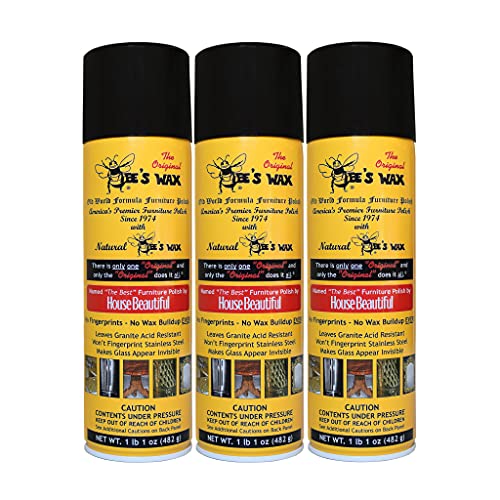
If a vivid coloration has found its way onto your cherished wooden surfaces, act quickly for the best results. Blot the area immediately with a clean, dry cloth to absorb any excess. Avoid rubbing, as this may spread the stain further.
Next, create a gentle cleaning solution using a mix of warm water and mild dish soap. Dampen a sponge with this mixture and gently dab the stained surface, starting from the outer edges and moving inward to prevent spreading. Rinse the sponge frequently to avoid redepositing the pigment.
For stubborn stains, try mixing a small amount of baking soda with water to form a paste. Apply it directly to the affected area, allowing it to sit for a few minutes. Gently scrub with a soft cloth or sponge, then wipe clean with a damp cloth to remove any residue.
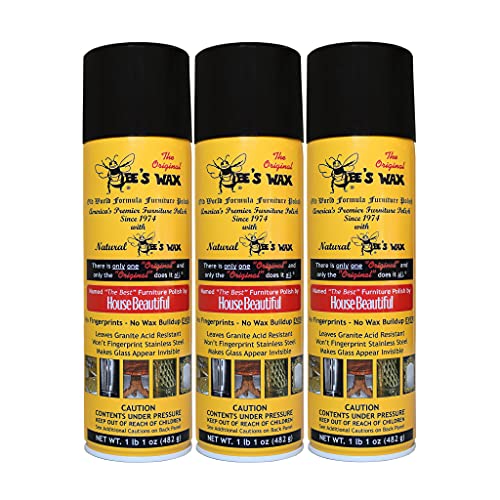

Once the stain has lifted, dry the area thoroughly with another clean cloth. If needed, apply a wood conditioner or polish to restore the surface’s original sheen and protect it from future mishaps. Regular maintenance can also help prevent damage in the future.
Assessing the Type of Wood Finish on Your Furniture
Determine whether the surface has a lacquer, varnish, oil, or stain finish. For lacquer or varnish, the sheen will typically be glossy and smooth, indicating a protective layer. An oil finish tends to have a matte appearance and may feel slightly tacky, while a stain leaves a colored appearance without a glossy top layer.
Testing the Finish
To identify the finish, I conduct a small spot test. I dab a cotton ball with rubbing alcohol or a solvent. If the finish dissolves, it’s most likely lacquer or varnish. If there’s no change, it could be oil or stain.
Effect on Cleaning Method
Understanding the finish directly impacts the cleaning technique. For lacquer and varnish, I recommend avoiding harsh chemicals to prevent damage. On the other hand, oil finishes may require different solutions such as soap and water. Adjustments in approach based on the finish type can yield better results and protect the appearance.
Preparing the Area to Prevent Further Damage
Clear the vicinity of the piece to allow ease of movement and prevent accidental splashes. I use old towels or drop cloths to cover nearby surfaces, ensuring they remain safe from any potential marks.
Position a sturdy table or a flat surface nearby to place tools and cleaning materials. This minimizes the risk of spills while working, as I can efficiently reach for what I need without having to lean over the protected area.
Protective Gear
Wearing gloves and an old shirt is a must. This not only safeguards my skin but also prevents garments from accidental staining. Eye protection might be wise if using any fast-acting solvents.
Ventilation
Air circulation is essential. Opening windows or utilizing fans helps disperse any fumes from cleaning agents, making my workspace safer. I often keep the area well-ventilated throughout the cleaning process to ensure my comfort and safety.
| Action | Purpose |
|---|---|
| Clear the area | Prevents splashes and provides space |
| Cover surfaces | Protects against stain damage |
| Wear gloves and old clothing | Protects skin and clothes from staining |
| Ensure ventilation | Reduces inhalation of harmful fumes |
Choosing the Right Cleaning Solution for Hair Dye Removal
I recommend mixing equal parts of white vinegar and water as a safe initial solution for tackling stains. This combination not only helps in lifting the color but also minimizes potential harm to the finish. For more stubborn marks, a paste of baking soda and water can be applied. Gently rub this mixture using a soft cloth, as it offers a mild abrasive action without scratching the surface.
If the above options are insufficient, consider using isopropyl alcohol or a small amount of acetone on a cotton swab. Apply cautiously, testing it on an inconspicuous area first. These solvents can break down pigments effectively, but excessive use may compromise the finish, so use sparingly.
For those with access to commercial products, specifically designed wood cleaners can be beneficial. Look for formulations that are labeled safe for delicate finishes. Always read labels carefully and ensure they do not contain harsh chemicals.
In addition, natural solutions like coconut oil can serve as gentle yet effective removers, slowly breaking down the stain while conditioning the wood. Apply a small amount, let it sit for a few minutes, then wipe clean with a soft cloth.
Remember to always perform a spot test before applying any solution broadly across the surface. This precaution allows you to gauge the impact on the finish without risking larger areas. Keep a soft cloth readily available to promptly dry and polish the area after cleaning.
Applying the Cleaning Solution Safely and Effectively
Before applying the chosen cleaning agent, I ensure the area is well-ventilated. I open windows or use a fan to prevent the buildup of fumes and maintain airflow.
I take a clean microfiber cloth or a soft sponge, dampening it with the solution. It’s crucial not to saturate the cloth, as excess moisture can penetrate and damage the finish. I always test the solution on an inconspicuous spot to check for any adverse reactions.
Once verified, I gently dab the stained area, avoiding vigorous scrubbing that could lead to scratches. I work in small sections, applying the cleaning agent and allowing it to sit for a minute or two to break down the stain.
Next, I wipe away the solution with another clean, dry cloth, making sure to lift the residue without spreading it further. If necessary, I repeat the process until the stain is entirely removed.
- Always wear gloves to protect my hands from harsh chemicals.
- Be cautious of the amount of solution used–less is more.
- Follow the manufacturer’s instructions on the cleaning agent carefully.
- If a stain persists, I consider a more specialized product that suits the specific finish of the item.
After the process, I inspect the surface for any changes. If everything appears intact, I proceed to apply a wood conditioner or polish to restore shine and protect the finish.
Using Gentle Scrubbing Techniques on Stubborn Stains
I recommend using a soft-bristled brush or a microfiber cloth for scrubbing. Avoid abrasive pads, as these can damage the finish of the surface. Dampening your chosen scrubbing tool with a cleaning solution or plain water can enhance its effectiveness.
When tackling resilient marks, apply light pressure initially. Observe the response of the surface closely. If the stain begins to lift, gradually increase the pressure but remain cautious not to scrub too aggressively. Frequent rinsing of the cloth or brush prevents residue build-up, ensuring a cleaner result as you proceed.
Testing in an Inconspicuous Area
Before applying any scrubbing technique extensively, conduct a test in a hidden spot. This step helps to confirm that your method won’t adversely affect the finish. Watch for discoloration or damage, and adjust your approach as needed.
Maintaining Patience
Stain removal can be a gradual process. Allow the cleaning solution adequate time to penetrate the material. Rushing may lead to ineffective cleaning or surface damage. Take breaks to reassess your progress and give the solution time to work.
Restoring the Wood’s Finish After Dye Removal
To reinstate the protective coating following removal of stains, prepare a wood finish conditioner or polish. If the original finish remains intact, apply it directly to enhance luster and shield against future blemishes.
Here’s a step-by-step approach:
- Clean the Surface: Ensure the area is free from cleaning solution residues. A gentle soap-and-water mixture can be useful for this step.
- Choose the Right Product: Select a wood conditioner compatible with the existing finish. Products containing beeswax or mineral oils are excellent for replenishing moisture.
- Application: Utilize a soft cloth to apply the conditioner evenly. Work in small areas, buffing gently to avoid streaks.
- Allow to Dry: Let the conditioner sit as directed on the product label. Drying time may vary based on formulation.
- Polish for Shine: After drying, a clean, dry cloth can be used for a final buff, enhancing the sheen of your surface.
For surfaces where the finish has been compromised, consider refinishing. Sand lightly to even out the area and then reapply the original finish type. Follow these steps for successful results:
- Test an Inconspicuous Area: Assess the compatibility of the finish on a small, hidden section.
- Sand Down: Use fine-grit sandpaper to smooth out imperfections carefully.
- Reapply Finish: Use a brush or cloth for application, following the manufacturer’s instructions.
- Allow Curing Time: Ensure adequate time for the finish to cure effectively, as per guidelines.
A little effort can restore the aesthetic appeal and longevity of your treasured pieces. Regular maintenance using appropriate products will keep them looking pristine.


