
 Caleb Turner

To eliminate indentations left by heavy pieces, I recommend using ice cubes. Place a few ice cubes directly on the imprints and let them sit for several hours. The moisture from the melting ice will help to rehydrate the fibers.
After the ice has melted, take a clean, dry cloth or a soft brush and gently fluff the affected area. This should restore the pile’s original appearance. If necessary, repeat the process for stubborn impressions.
For tougher residue, consider a mixture of white vinegar and water. Apply this solution lightly on the area using a cloth, then allow it to soak in. This method can help lift deeper stains while remaining gentle on the fibers.
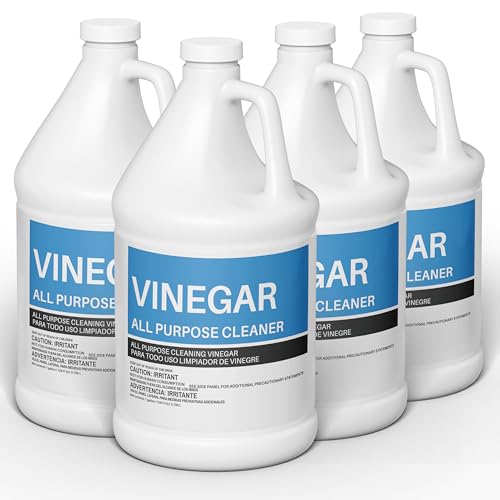

Lastly, it’s advisable to perform a patch test on an inconspicuous area to ensure that the solutions do not affect the color or texture before proceeding with larger sections.
Identifying Different Types of Furniture Marks
Recognizing the specific type of imprint left on textiles can significantly influence the method of resolution. Here are some common variations of imprints you might encounter:
1. Indentations
These are shallow depressions usually caused by heavy objects sitting in one place for an extended period. The texture of the fabric may appear smooth, while the affected area is slightly lower than the surrounding fibers.
2. Fibers Distortion
This type involves alterations in the structure of the fibers, where they may appear crushed or flattened. Typically, this happens due to lighter furnishings and may require gentle brushing or steaming to restore their appearance.
3. Color Changes
Sometimes the color may shift in areas under constant pressure, especially if the item is removed. This often results from the sun’s exposure or wear. A thorough cleaning with a suitable solution can sometimes even out the discoloration.
4. Residue Marks
These include any stains left from items that might have deteriorated over time, such as rubber caps or feet of chairs. Identifying the specific residue can help determine the best cleaning solution.
5. Shape Imprints
Distinct shapes may be left behind from decorative elements or items with unique outlines. These often require more focused restoration techniques to lift the surrounding fibers and minimize visibility.
By distinguishing these types, I can choose the most effective approach for restoration and maintain the integrity of the surface. Regular assessments will help in recognizing these patterns early, enabling prompt action and potentially reducing long-term damage.
Choosing the Right Cleaning Products for Wool Carpet
Opt for a pH-neutral shampoo specifically formulated for natural fibers. Always check the label to ensure it’s suitable for your type of textile. Products with enzymes are particularly useful for breaking down organic stains without damaging the fibers.
Avoid harsh bleaches or optical brighteners; these can lead to discoloration and weakened fibers. Instead, look for gentle detergents complete with plant-based ingredients, ensuring a balance of strength and care.
Testing the Product
Before applying any cleaner, perform a patch test in an inconspicuous area to assess colorfastness. Apply a small amount and blot with a clean cloth. If discoloration occurs, choose another product.
Eco-Friendly Options
Consider natural cleaning solutions such as vinegar and baking soda as alternatives. Mix equal parts of vinegar and water for basic cleaning, or sprinkle baking soda to absorb odors before vacuuming. These options are effective and safe for most textiles, maintaining the integrity of fibers.
Step-by-Step Instructions for Removing Marks
For effective removal, begin by vacuuming the area to eliminate loose dirt and debris. This creates a clean base for treatment.
1. Prepare the Cleaning Solution
Mix a few drops of mild dish soap with warm water in a bowl. Ensure the solution is lightly soapy to avoid residue. Stir gently to maintain the suds.
2. Test the Solution
Before application, test the mixture on a small, inconspicuous section to ensure no discoloration occurs. Use a damp cloth to apply a small amount. Wait a few minutes to check for any adverse reactions.
Once confirmed, take a clean, soft cloth or sponge, dip it into the soapy mixture, and wring it out until damp, not soaking.
Gently blot the affected area, working from the outer edge toward the center to prevent spreading. Avoid scrubbing, as it may damage fibers.
After removing the residue, dampen a separate cloth with plain water, and gently blot the area again to remove soap remnants.
Finally, allow the spot to air dry completely. If any outline remains, repeat the blotting process with the soapy solution and water until the surface looks even.
Using Heat and Moisture to Revive Carpet Fibers
I recommend using a combination of heat and moisture to restore the integrity of flattened fibers in your textile flooring. Start by taking a damp cloth and placing it over the affected area. Then, apply a warm iron on top of the cloth for a few seconds. The steam from the cloth will work wonders in loosening the fibers. Be cautious with the heat settings; ensure it is at a low to medium level to prevent any damage.
Technique for Optimal Results
After steaming, gently fluff the area using a soft brush or your fingers. Avoid aggressive scrubbing to maintain fiber structure. If the area needs more attention, repeat the process, ensuring that the cloth remains moist to facilitate steam absorption. This method is particularly beneficial for delicate textile materials, as it reduces the risk of harm while promoting recovery.
Final Touches
Once the fibers have returned to their original position, it’s beneficial to let the area dry naturally. After drying, lightly vacuum the section to lift any remaining flattened fibers and restore the overall texture of the floor covering. Regular maintenance and immediate attention to any impressions will help keep your flooring looking its best.
Preventing Future Furniture Marks on Wool Carpet
Utilizing furniture coasters beneath the legs of tables and chairs can significantly minimize indentation on textile flooring.
Regularly rearranging items can help redistribute weight and pressure across the surface, reducing the chance of forming depressions.
Consider choosing furniture with wider legs or a larger base to better support heavy pieces, thus helping to alleviate pressure points on the fibers.
Routine vacuuming also aids in maintaining the integrity of the pile, ensuring that the surface remains even and less prone to damage.
| Tip | Description |
|---|---|
| Use Coasters | Place coasters under furniture legs to distribute weight evenly. |
| Regular Movement | Shift heavy items periodically to minimize pressure in one area. |
| Wide Base | Select pieces with broader supports to reduce potential depressions. |
| Vacuum Often | Maintain pile resilience with frequent vacuuming, keeping fibers upright. |
Additionally, using area rugs beneath heavier furnishings can offer an extra layer of protection, absorbing some of the pressure and preventing direct contact with the textile surface.
By applying these strategies consistently, I preserve the appearance and texture of my flooring while extending its lifespan. Doing so maintains both aesthetic and practical value.
When to Seek Professional Help for Carpet Restoration
Consider hiring an expert if attempts to refresh your floor covering have not yielded satisfactory results. A skilled cleaner can address deeper issues that may be causing persistent indentation. Signs that indicate professional involvement are stains resistant to typical cleaning agents, lingering odors, or unexpected color changes in the fibers.
Specific Circumstances Indicating Professional Assistance
If remnants of furniture still persist after multiple cleaning tries, it may be due to damage beneath the surface. An experienced technician can evaluate the material and apply specialized techniques to restore its appearance. Additionally, if you encounter extensive wear, or if the fabric has become matted or frayed, seeking expertise ensures the preservation of your investment.
Assessing Damage Beyond Simple Fixes
Evaluate the severity of the situation; if it appears that fibers are compromised or the flooring has lost its original texture, professional intervention might be necessary. Attempts to repair without proper knowledge could lead to further deterioration, making it crucial to consult a carpet restoration service that understands the specific needs of your chosen fabric.


