
 Caleb Turner

Begin with a thorough vacuuming of all upholstered items. Focus on seams, under cushions, and in any crevices where these tiny pests might hide. Use an attachment with a brush to dislodge eggs and larvae effectively.
After vacuuming, consider utilizing a steam cleaner. The heat from steam will eliminate any remaining specimens and their eggs, ensuring a deep clean. Ensure that the fabric can withstand high temperatures before applying steam.
A mixture of water and mild detergent can also work wonders. Dampen a cloth and gently wipe down surfaces, paying special attention to potential nesting areas. Follow up by air-drying thoroughly to prevent mold growth.
For persistent issues, sprinkle diatomaceous earth on affected areas. This natural powder is harmless to humans and pets but lethal to insects. Allow it to sit for a few hours before vacuuming it away.

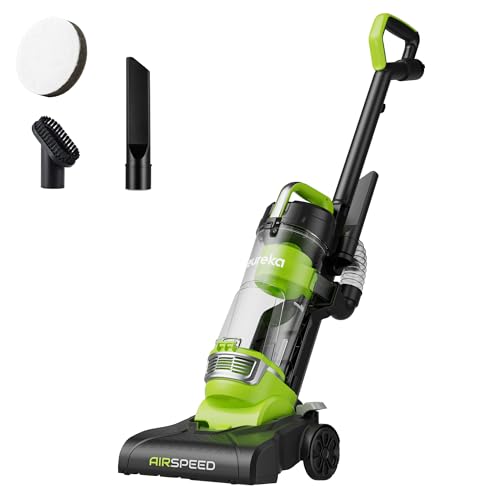

Regular maintenance is key. Rotate cushions and vacuum frequently to prevent re-infestation. By adopting a consistent cleaning regimen, one can maintain a bug-free environment.
Removing Unwanted Insects from Upholstery
Begin by vacuuming the entire surface thoroughly. Use an attachment to reach corners and seams where these tiny creatures often hide. Make sure to empty the vacuum bag or canister immediately after this task to prevent a reinfestation.
Utilizing Cleaning Solutions
Prepare a solution with warm water and mild dish soap. Dampen a cloth with this mixture, and wipe down all exposed areas, including cushions and armrests. For tougher spots, a mixture of vinegar and water can work effectively. Apply it using a spray bottle, then wipe clean with a cloth.
Employing Natural Remedies
- Sprinkle diatomaceous earth on the affected areas and leave it for 12-24 hours before vacuuming. This natural powder dehydrates and kills these nuisances.
- Cedar oil can be sprayed on the upholstery; its scent repels various insects. Ensure the area is well-ventilated during application.
- Essential oils like lavender or peppermint can also deter them. Mix with water in a spray bottle and lightly mist the fabric.
After treating your upholstery, repeat the vacuuming process to remove any dead insects or remnants. Regular maintenance will help keep your environment pest-free.
Identifying Infestation Signs on Furniture
Look for tiny black or brown specks on surfaces, which may indicate excrement from these parasites. A magnifying glass can help in detecting these minute signs more clearly.
Examine the upholstery for any small, jumping insects. The adults are typically about 1/8 inch long and can be difficult to spot due to their rapid movements.
Check for Skin Shedding
Inspect the area for any small, translucent shells that resemble tiny grains. These are remnants of molted skin and can signal a growing population of pests.
Monitor Your Pets
If pets frequently scratch or bite their fur while resting on furnishings, it signifies that there might be an infestation nearby. Keep an eye on their behavior, especially after they interact with upholstered items.
Regular vacuuming and thorough inspections will aid in early detection, allowing for timely measures to manage the problem effectively.
Preparing Your Space for Flea Removal
Begin by decluttering the area. Remove items such as cushions, blankets, or decorative pieces to minimize hiding spots for unwanted pests. Place these items in sealed bags or containers to prevent any potential spread.
Cleaning the Surroundings
Next, thoroughly vacuum the entire space, focusing on crevices and under cushions. Dispose of the vacuum bag or empty the canister immediately to hinder any chance of reinfestation. If applicable, wash machine-safe fabrics using hot water to eliminate any lingering eggs or larvae.
Using Deterrents and Barriers
Consider applying specific powders or sprays designed to combat these nuisances on fabrics and surfaces. Ensure that any product used is safe for the materials involved and follow all label instructions for application. Setting traps can also help monitor the situation during the eradication process.
Using Vacuum Cleaners to Eliminate Fleas
First, I ensure to use a vacuum cleaner with a strong suction capability. This helps in effectively removing these pests and their larvae from soft surfaces like chairs and couches.
Steps I take include:
- I start by vacuuming the entire area thoroughly, focusing on cracks, crevices, and under cushions.
- I utilize attachments for upholstery and corners to reach every potential hiding spot.
- After vacuuming, I dispose of the vacuum bag or empty the canister immediately to prevent any trapped insects from escaping.
Daily vacuuming is often necessary during the initial stages of addressing an infestation. This consistent effort helps in capturing any newly emerged individuals.
Additionally, I consider using a vacuum with a HEPA filter. This feature can trap smaller particles and allergens while enhancing the overall cleanliness of the environment.
For enhanced effectiveness, I sprinkle diatomaceous earth or a special flea powder on surfaces before vacuuming. This can aid in further pest reduction by dehydrating any remaining specimens.
I make sure to vacuum regularly over several weeks to ensure thorough treatment, as this strategy not only removes visible insects but also interrupts their lifecycle.
Employing Natural Remedies for Flea Control
I often turn to several natural solutions to manage these miniature invaders without relying on harsh chemicals. The following methods have proven effective in my experience:
Diatomaceous Earth: Sprinkling this fine powder on upholstered items works wonders. It’s a natural abrasive that damages the exoskeletons of insects, leading to dehydration and elimination. Allow it to sit for a few hours before vacuuming.
Essential Oils: Certain oils, like lavender, cedarwood, and peppermint, repel insects. Mix a few drops with water in a spray bottle and lightly mist affected areas. Always test a small hidden area to ensure there’s no discoloration.
Baking Soda: This common household item acts as a desiccant. I sprinkle it on fabrics and let it sit for a day or two. Vacuum thoroughly afterwards. This method dehydrates and kills various life stages of these pests.
Salt: Similar to baking soda, salt can help deter unwanted guests. A fine layer on fabrics can assist in drying out their population. Leave it for 24 hours before vacuuming up.
Herbal Steam Cleaning: Using a steam cleaner infused with natural herbs can escalate the cleaning process. The heat paired with the herbal scent serves as both a cleanser and a repellent.
| Natural Remedy | How It Works |
|---|---|
| Diatomaceous Earth | Dehydrates insects by damaging their outer layers |
| Essential Oils | Repels and disrupts the life cycle of pests |
| Baking Soda | Dehydrates and kills various life stages |
| Salt | Draws moisture from pests, leading to death |
| Herbal Steam Cleaning | Combines heat and scent to clean and repel |
Integrating these natural remedies into my cleaning routine not only aids in controlling infestations but also promotes a healthier living environment. Regular application can significantly reduce populations over time.
Choosing Chemical Solutions for Stubborn Infestations
Selecting the right chemical treatments is critical for tackling serious infestations. Products containing ingredients like pyrethroids or neonicotinoids tend to be effective against adult insects and larvae. Read labels carefully for directions and safety precautions.
Recommended Chemical Options
- Permethrin: Highly effective against all life stages; safe for use on fabrics when properly diluted.
- Fipronil: Targets adult insects; provides long-lasting residual control; effective in indoor and outdoor settings.
- Diflubenzuron: An insect growth regulator that disrupts development cycles; useful for preventing reinfestation.
- Bio-spot: An easy-to-apply spray that provides rapid knockdown; suitable for soft furnishings.
Application Guidelines
- Vacuum thoroughly before application to remove existing insects and their eggs.
- Test a small, inconspicuous area of fabric for colorfastness.
- Apply the solution evenly, focusing on seams and crevices where insects hide.
- Allow the treated areas to dry completely before resuming normal use.
- Reapply as specified on the product label, especially in high-traffic areas.
For optimal results, use chemical treatments in conjunction with vacuuming and natural remedies. This multi-pronged approach can noticeably reduce insect presence and prevent future issues.
Washing Fabrics and Upholstery to Remove Fleas
Utilizing hot water is one of the most straightforward methods to eradicate these annoying insects from soft surfaces. I recommend washing all removable fabric items, such as cushion covers, blankets, and slipcovers, in water heated to at least 130°F (54°C). This temperature is sufficient to kill both adult insects and their eggs.
Using Detergent Effectively
In addition to water temperature, a quality detergent can enhance the cleaning process. Look for a product that claims to eliminate allergens and pests. It’s beneficial to run the washing machine on an extra rinse cycle to ensure all residues are removed, as these can attract more unwanted visitors.
Treating Upholstered Furniture
If the upholstery is not removable, I suggest using a steam cleaner. The high temperature of the steam will penetrate the fibers and help eliminate any remaining critters. Make sure to cover all areas, including crevices and seams, where they may hide. Allow the fabric to dry completely afterward, as moisture can attract new infestations.
Using Steam Cleaning for Deep Sanitation
Steam cleaning offers a powerful method for eliminating unwanted pests. The high temperatures produced by steam equipment effectively kill adult insects and their eggs, providing thorough sanitation of surfaces.
Benefits of Steam Cleaning
Utilizing steam not only eradicates these nuisances but also sanitizes surfaces, removing allergens and dirt. This method is chemical-free, making it safe for households with children or pets. Here’s a summary of the key advantages:
| Advantage | Description |
|---|---|
| High Temperature | Destroys pests and their life stages. |
| No Chemicals | Safe alternative for sensitive spaces. |
| Multi-purpose | Effective for various surfaces, including upholstery. |
| Deodorization | Eliminates odors associated with infestations. |
Procedure for Effective Steam Cleaning
1. Start with a thorough vacuum of all surfaces to remove debris and loose particles.
2. Use a steam cleaner fitted with the correct attachments for upholstery and fabric-covered items.
3. Work methodically, ensuring even coverage and paying attention to seams and crevices where insects may hide.
4. Allow the treated areas to dry completely to prevent mold or mildew development.
5. Repeat the process as necessary, especially in high-traffic areas.
Setting Up Flea Traps in Your Home
For an efficient way to capture those tiny invaders, I recommend placing homemade traps around the house. Use shallow dishes filled with warm soapy water, as the soap breaks the surface tension, causing them to drown when they jump in. Position these traps near areas where you’ve identified activity, like pet resting spots or corners of rooms.
Creating Effective Traps
To increase efficacy, place a light source, such as a small lamp, above the water-filled dishes. The brightness will attract them towards the traps, making the process more successful. Change the water daily to maintain freshness and optimize collection.
Strategic Placement
Experiment with various locations to discover where the most insects are caught. Focus on bedrooms, living rooms, or near furniture that pets frequently occupy. The more traps, the higher the likelihood of catching these unwanted guests.
Maintaining a Flea-Free Environment After Treatment
Regularly vacuum carpets, rugs, and upholstery, ensuring to dispose of the vacuum bag immediately after use to prevent any surviving pests from re-entering your space.
Wash all bedding, cushions, and pet items weekly in hot water. High temperatures kill eggs and larvae effectively.
Implement a monthly flea preventative for pets. Consult with a veterinarian for appropriate products that suit your animal’s specific needs.
Keep your lawn and garden tidy by mowing regularly and trimming bushes or shrubs where pests might hide. Consider using nematodes or other natural predators in outdoor areas.
Periodically inspect your home for any signs of a new outbreak. Early detection is key for managing populations before they escalate.
Creating Barriers and Deterrents
Utilize diatomaceous earth or similar products around entry points like doors and windows. These act as physical barriers to prevent insects from coming in.
Seal cracks and crevices in walls and flooring that can serve as hiding spots for any remaining insects.
Education and Awareness
Stay informed about flea life cycles and behavior. Understanding how they reproduce will aid in prevention strategies.
Engage the household in regular cleaning routines and inspections. Collective effort ensures everyone is vigilant and proactive against future infestations.


