Caleb Turner

To reclaim the pristine appearance of my flooring, I have found that applying ice cubes directly to the indentations works wonders. Placing a few ice cubes in a thin cloth allows the moisture to penetrate without soaking the fibers excessively. After about 15-20 minutes, I gently fluff the area with a soft brush to restore its original texture.
For stubborn impressions, a solution of equal parts vinegar and water has been effective. Spraying the mixture onto the affected area and letting it sit for a few minutes allows the fibers to relax. Once dried, I carefully brush or vacuum the area, which often returns it to its former glory.
If the situation requires further action, using a steam cleaner can be beneficial. I direct the steam onto the affected section, ensuring to keep a safe distance to avoid damage. After steaming, I lightly fluff the area with my fingers or a cloth to help reshape the fibers.
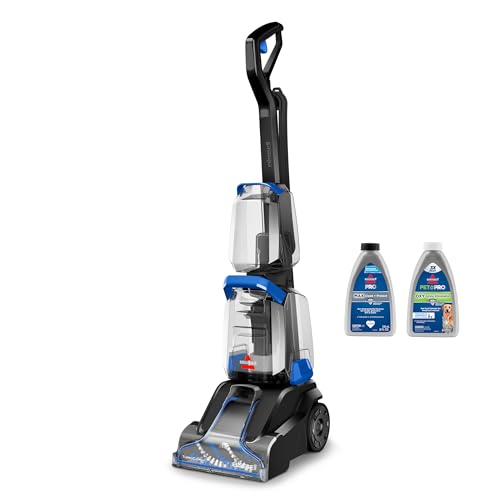


Removing Imprints from Textile Flooring
I begin with a couple of ice cubes placed directly on the involved area. As the ice melts, it helps to relax the fibers, allowing them to rise. Once enough water is absorbed, I gently fluff the area with a soft cloth or my fingers.
If further treatment is needed, I mix equal parts of white vinegar and water in a spray bottle. Lightly mist the affected section, then use a cloth to work the solution into the fabric. This approach not only assists in restoring the original look but also deodorizes the surface.
An alternative method involves using a blow dryer on a low setting. I hold it at a distance and move it gradually over the area for a few minutes. This slight heat can encourage the fibers to return to their natural shape.
If these techniques don’t deliver the desired outcome, I suggest placing a damp cloth over the imprint and gently running a steam iron over it, ensuring the iron is not in direct contact with the surface. The steam can effectively rejuvenate the fibers.
For persistent indentations, I lightly vacuum the area after applying any of these methods. The suction can help lift any remaining inconsistencies and restore a uniform appearance.
Understanding the Cause of Furniture Impressions on Carpet
Identifying the source of indentations in carpeting starts with the awareness of pressure exerted by heavy items. This pressure compresses the carpet fibers, leading to visual and tactile changes. Natural and synthetic fibers react differently; for example, wool tends to bounce back more effectively than polyester.
The Role of Carpet Material
Choosing the right material is key. Carpets made from short, dense fibers are less prone to showing signs of weight, while longer tufted fibers may create visible impressions. Recognizing the characteristics of your carpet will help in selecting protective measures or making changes if required.
Duration of Weight Application
The length of time weight is placed on the flooring also affects how pronounced the impressions become. Prolonged exposure often leads to deeper indentations that are harder to reverse. Regularly rotating heavy objects can minimize this issue, allowing the fibers to recover.
Understanding these factors aids in preserving the appearance of your flooring, ensuring longevity and aesthetic appeal. Adjustments in furniture placement and material selection can help maintain the quality over time.
Assessing the Depth of the Marks
Begin by inspecting the impressions with your fingers. Run them over the area to determine how far the texture has been affected. If the indentation feels significant, then a targeted approach is necessary for restoration.
Next, utilize a flashlight to highlight the impressions. The light will help you gauge the extent of the damage. Subtle shadows will reveal minor deformities, while deeper shadows indicate more severe indentations.
Use a Ruler for Measurement
For precise evaluation, employ a ruler to measure the depth of the depressions. Mark the deepest point and note its size. This measurement will guide you in selecting the appropriate treatment method.
Evaluate Surrounding Areas
Check adjacent sections of the flooring. If they appear significantly different, it may indicate a need for extensive treatment. Assessing surrounding fibers can help you predict how successful restoration might be in the affected area.
Taking these steps will lead to a better understanding of the issue, allowing for an informed approach to restoration without unnecessary effort.
Using Heat to Restore Carpet Fibers
I recommend using heat as a simple yet effective method for reviving the texture of the fibers. One common approach involves using a steam iron. Here’s how to do it:
- Set your iron to the lowest steam setting. Ensure it’s not too hot to avoid damaging the material.
- Place a damp cloth over the affected area. This protects the fibers from direct heat.
- Gently press the iron onto the cloth for a few seconds, allowing steam to penetrate the fibers.
- After steaming, use a fork or a similar tool to gently fluff the fibers back into their original shape.
Another method involves hot water. Mist the area lightly with a spray bottle filled with hot water. Then, use a clean, absorbent cloth to blot the area. This can help relax the fibers significantly.
Using a Hair Dryer
A hair dryer can also aid in this process:
- Set the dryer to a medium heat setting.
- Hold it a few inches away from the surface and move it in a circular motion.
- Simultaneously, use your fingers to fluff the fibers while applying heat, encouraging them to spring back.
Always assess the condition before applying heat. If unsure, test a small, inconspicuous area first to ensure there’s no adverse reaction. Regular maintenance can help prevent wear, keeping your carpet looking fresh and well-kept.
Applying Moisture for Deep Set Marks
Spraying a light mist of water on the affected area can effectively reactivate the fibers in the carpet. I recommend using a spray bottle for this purpose, ensuring that the fabric becomes slightly damp without becoming soaked.
Here’s a step-by-step approach:
- Fill a clean spray bottle with distilled water.
- Set the misting nozzle to a fine spray.
- Evenly apply the moisture over the indented sections, focusing on one small area at a time.
- Use a clean, dry cloth to gently blot the excess moisture.
- Allow the carpet to air dry completely.
- If necessary, repeat the process on particularly stubborn areas.
Moisture helps in relaxing the underlying fibers, facilitating restoration. This method is particularly useful when combined with additional techniques like applying heat subsequently.
Keeping a watchful eye on the drying process ensures prevention of water damage or mold growth. I find that checking the area regularly allows for adjustments based on its responsiveness to treatment.
Using Ice to Lift Carpet Indentations
Place an ice cube directly onto the depression and let it sit for several hours. The cold temperature will help to invigorate the fibers. As the ice melts, the water will penetrate the indentation.
After the ice has completely melted, take a clean cloth and gently blot the area to absorb any excess moisture. Then, use a spoon or a similar object to lift the carpet fibers gently. Doing this while the fibers are still damp can yield the best results.
For even better restoration, consider using a vacuum cleaner after the fibers have been lifted. This can help to fluff up the area further and enhance the overall appearance.
Brushing Techniques for Carpet Restoration
Utilizing a stiff-bristle brush can effectively restore the texture of the fibers. Begin by gently brushing the affected area in the opposite direction of the nap to help lift the fibers. This action often revitalizes the appearance without causing damage.
For a softer approach, employ a nylon brush to avoid potential fraying of delicate materials. Brush in a circular motion to encourage fiber resilience, which aids in the recovery from compressions.
In addition, a vacuum cleaner equipped with a brush attachment can help enhance the results. After brushing, vacuum the area thoroughly to remove any loosened debris or fiber remnants.
When tackling stubborn indentations, consider combining brushing with light tapping using your fingers or a clean cloth. This technique allows for a gentle lifting of fibers while maintaining the integrity of the texture.
Regular maintenance using a brush can help prevent such issues from occurring again. Integrating this practice into your cleaning routine prolongs the life of the flooring and keeps it looking fresh.
When to Seek Professional Cleaning Services
Consider hiring experts if home remedies fail after multiple attempts. Persistent indentations that resist improvement can indicate extensive damage that requires specialized equipment and products.
Professional intervention is advisable for valuable or delicate floor coverings, where improper treatment could lead to further issues. Expert cleaners possess the knowledge and tools to handle various materials effectively, reducing the risk of permanent alteration.
Assessment of Severity
If the situation involves significant deterioration or staining beyond simple impressions, enlisting a cleaning service is wise. Trained technicians can assess the condition and recommend treatment tailored to the specific type of flooring.
Health Considerations
If you suspect accumulated allergens, mold, or odors within the fibers, specialists offer thorough cleaning solutions that not only address visual aspects but also improve indoor air quality. This is particularly beneficial for households with allergies or respiratory issues.
Preventive Measures for Future Indentations
I recommend using protective coasters or furniture pads beneath heavy items to disperse weight and minimize pressure on the fibers. Opt for pads made of felt or rubber to effectively cushion surfaces.
Regularly rearranging furniture can prevent prolonged pressure in specific areas. This simple action allows the fibers to recover and reduces noticeable indentations over time.
Consider choosing lighter furniture or items with a broader base, as they exert less pressure on the floor covering than heavier counterparts.
Vacuuming the surface on a frequent basis helps to maintain fiber integrity and promotes a fuller look, countering any potential compressions.
For an additional layer of protection, using area rugs can safeguard specific sections of the floor covering from the weight of furniture, allowing for easy swaps or repositioning.
Maintaining consistent humidity levels in the environment can also aid in keeping fibers resilient. Humidifiers or dehumidifiers may be necessary depending on your climate, ensuring the material doesn’t dry out excessively or become overly damp.
It’s beneficial to periodically spot clean and deep clean sections as necessary, which helps to refresh the fibers and remove any dirt that might contribute to weakened areas.
Assessing Fabric and Carpet Compatibility
Identify the fiber types of both the upholstery and the floor covering before proceeding with any restorative actions. Different materials react distinctively to heat, moisture, and cleaning agents. Wool, nylon, and polyester each have unique resilience and recovery traits, determining how well they can return to their original state after being compressed.
Common Fabrics and Their Characteristics
| Fabric Type | Reaction to Compression | Care Tips |
|---|---|---|
| Wool | Good recovery, retains shape well | Avoid excessive moisture, use gentle techniques |
| Nylon | Strong, rebounds quickly but can stain | Use heat with caution; clean promptly |
| Polyester | Moderate recovery, may flatten under weight | Can tolerate cleaning solutions; dry quickly |
| Olefin | Durable but can be difficult to restore | Avoid harsh chemicals, focus on gentle methods |
Cross-reference the materials to identify compatibility. For example, combining a delicate fabric with a high-traffic area may necessitate extra caution. Selecting suitable techniques based on fiber types will enhance my success in reviving the appearance of both surfaces.
Practical Steps for Testing Compatibility
Before applying any method, perform a small test in an inconspicuous area. This will reveal how each material handles treatment. If any adverse reactions occur, reconsider the approach or wait for professional assessment to prevent further damage.
FAQ:
What are the main methods for removing deep furniture marks from carpet?
There are several effective methods for removing deep furniture marks from carpets. One common technique is to use a damp cloth or sponge and apply gentle pressure on the mark. This helps to lift the fibers back into place. Another method involves using an ice cube; placing it on the mark can help to loosen the fibers. After the ice melts, you can fluff the area with your fingers or a spoon. Additionally, a steam iron at a safe distance can be used to help unwind the carpet fibers for a smoother appearance. Lastly, a commercial carpet cleaner may also be useful for stubborn marks.
How long does it typically take to see results when trying to remove furniture marks from carpet?
The time it takes to see results can vary depending on the method used and the severity of the marks. If using the damp cloth method, you might notice improvement right away, while ice cube techniques might show results within a few hours as the area dries. Using a steam iron may also provide immediate results, but it’s important to ensure you’re not damaging the fabric. If your marks persist, consider waiting a day or two after cleaning before reevaluating the area to see if further treatment is necessary.
Can I prevent deep furniture marks on my carpet in the future?
Yes, there are several preventative measures you can take to avoid deep furniture marks on your carpet. Using furniture coasters or sliders under the legs of your furniture can distribute weight more evenly and protect the carpet. Rearranging furniture occasionally can also help by reducing the pressure on specific areas. Additionally, placing area rugs in high-traffic spots can absorb some of the wear and tear. Regular maintenance like vacuuming and steam cleaning can also keep your carpet in good condition, minimizing the impact of furniture.
What types of carpets are more prone to showing deep marks from furniture?
Carpets made from softer fibers, like plush or shag carpets, often show deep marks more easily than those with a tighter weave, such as Berber or looped carpets. This is because softer fibers can compress more under weight. Additionally, lighter-colored carpets may display marks more prominently compared to darker shades, as dirt and impressions are easier to see. If you’re concerned about marks, selecting a more durable carpeting option can be beneficial.
Are there any home remedies that work well for removing furniture marks?
Yes, there are several home remedies that can effectively help remove furniture marks from carpets. One popular method is using a mixture of white vinegar and water. Spray this solution onto the marked area and then blot it with a cloth. Another effective method employs baking soda. Sprinkling baking soda over the mark, allowing it to sit for a few hours, and then vacuuming can help lift the fibers. Additionally, you can try using a blow dryer on a low setting to gently heat the area, which may help to restore the fiber’s shape when combined with light brushing.