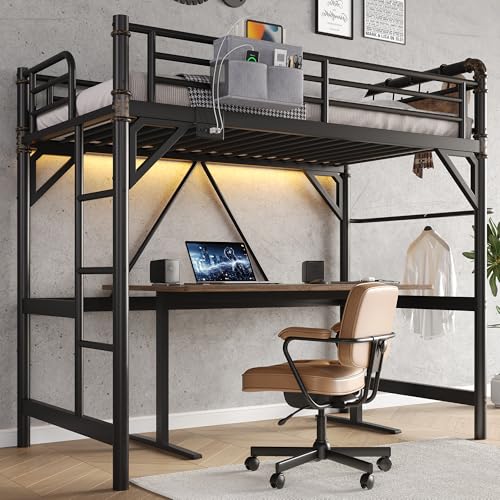
Caleb Turner
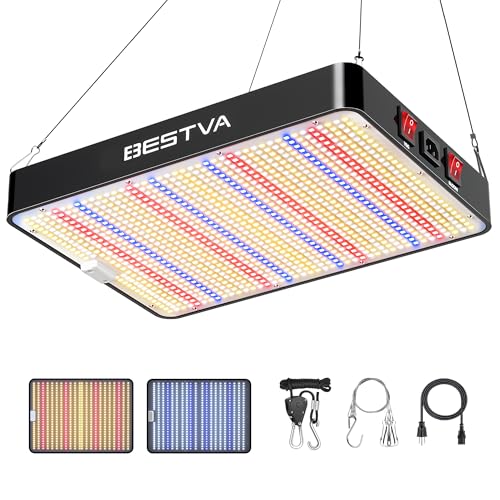
Determining the layout is the first step. Measure the area to identify the available dimensions. A rectangular shape often maximizes the use of space. Ensure there’s adequate clearance to avoid any obstructions or imbalances in light distribution.
Next, prioritize ventilation. Proper airflow is critical for maintaining a healthy environment. Install an exhaust fan and passive air intake to facilitate circulation. Consider using ducting to redirect stale air outside and introduce fresh air efficiently.
Lighting plays a significant role in plant development. Choose between LED or fluorescent lights based on the energy efficiency and spectrum required. Place fixtures at an appropriate distance to prevent any heat stress while ensuring adequate lumens for optimal growth.
Watering and nutrient distribution must be planned thoroughly. Implement a drip irrigation system for consistent moisture levels and to minimize waste. Use quality soil or hydroponic solutions tailored to the plants’ specific needs, ensuring essential minerals are readily available.
Finally, monitor temperature and humidity levels consistently. Utilizing sensors or timers can automate adjustments, ensuring conditions remain stable. Regularly check for pests and diseases to maintain a healthy atmosphere and achieve the desired results.


Assessing Your Loft Space for a Grow Area
First, I take measurements of the entire space to understand its dimensions and layout. This informs decisions about design and plant arrangement. Next, I evaluate the insulation. Proper insulation helps regulate temperature and is critical for plant health.
Ventilation is another key factor; I inspect existing windows and consider potential openings for air circulation. A well-ventilated environment prevents mold and ensures that plants receive fresh air. Natural light is also assessed–if the area lacks sufficient sunlight, I plan for supplemental grow lights to mimic those conditions.
Electrical access matters as well, especially for equipment like fans, lights, and timers. I check for enough outlets and possibly consider running new wiring if necessary. Any potential humidity issues need addressing, so I evaluate the moisture levels and consider a dehumidifier if the area is prone to dampness.
Lastly, storage options should be considered. I ensure there’s adequate space for tools and supplies to maintain organization and efficiency. This preparation lays a solid foundation for the planting process.
Choosing the Right Lighting for Your Cultivation Space
LED fixtures are my first choice due to their energy efficiency and long lifespan. They generate less heat, allowing for closer placement to plants, which promotes optimal growth without the risk of scorching.
HID lights, particularly Metal Halide (MH) and High-Pressure Sodium (HPS), offer high-intensity lighting. MH is excellent for the vegetative stage thanks to its blue spectrum, while HPS is preferred during flowering for its red spectrum. These options require more cooling solutions since they emit significant heat.
Fluorescent bulbs, especially T5s, are ideal for seedlings and cloning stages. They provide a gentle light that’s easy on young, delicate plants and consume less energy than HID lights. However, their intensity might be inadequate for larger, flowering plants.
Light cycles play a pivotal role. Most plants thrive on an 18/6 light/dark cycle during vegetative growth, shifting to a 12/12 cycle to induce flowering. Utilizing timers allows for consistent and accurate light schedules, essential for healthy development.
Light placement is critical. Keeping lights at the appropriate distance based on their type prevents plant stretching and optimizes photosynthesis. Regular adjustments may be necessary as plants grow taller.
Investing in a light meter can ensure the right intensity reaches your plants. This tool helps monitor light output and adjust the setup as needed for various growth stages.
Insulating and Ventilating Your Loft Grow Environment
Prioritize insulation materials like foam boards or mineral wool to regulate temperature effectively. These products minimize heat loss in colder months and prevent overheating during warmer periods, creating a stable climate for plant growth.
Seal any gaps or cracks around windows, doors, and vents using weatherstripping or caulk. This simple step can significantly enhance the efficiency of your heating and cooling systems, ensuring that the designated area remains at optimal temperatures.
For ventilation, incorporate exhaust fans to remove excess humidity and heat. Aim for a fan system that exchanges air at least once every five minutes. This action helps prevent mold growth and provides fresh air, crucial for photosynthesis.
Consider intake vents to allow fresh air flow into the space. These openings should be placed strategically opposite to exhaust fans. By ensuring a well-balanced airflow, you can maintain ideal humidity and CO2 levels necessary for healthy plant development.
Utilize an oscillating fan to promote even air distribution within the space. Maintaining air circulation helps strengthen plant stems and prevents stagnation, which can lead to pest infestations.
Monitor temperature and humidity regularly with digital gauges. This data enables timely adjustments, ensuring all conditions remain optimal for plant health.
Selecting Suitable Plants for Loft Cultivation
Opt for varieties that thrive in limited light and compact spaces. Herbs like basil, cilantro, and mint flourish indoors and require minimal care. Leafy greens such as lettuce and spinach also adapt well to confined environments and offer quick harvest cycles.
Consider fruiting plants such as dwarf tomato or pepper varieties, which are designed for small spaces. These species can yield decent crops in pots and enhance vertical gardening approaches. Strawberry plants are another excellent choice, thriving in containers while providing fresh produce.
Annual flowers like petunias or marigolds can brighten the space, while their care is straightforward. If opting for perennials, select those that require low maintenance, such as lavender or succulents.
| Plant Type | Light Requirements | Growth Habit |
|---|---|---|
| Basil | Moderate | Bushy |
| Spinach | Low | Compact |
| Dwarf Tomato | High | Upright |
| Strawberry | Moderate | Trailing |
| Lavender | High | Bushy |
Research specific needs regarding watering, fertilization, and humidity. This helps ensure compatibility with the climate and resources available in the upper story. Prioritize native or adaptive species; they generally require less intervention, adapting better to indoor conditions.
Regularly evaluate plant health and adjust care as needed. Creating a thriving environment will lead to abundant yields and enhance the overall atmosphere of the living space.
Setting Up an Appropriate Watering System
Install a drip irrigation system to provide consistent moisture without overwatering. This method conserves water and ensures that each plant receives the proper amount directly at the roots.
Choosing Water Sources
Utilize natural sources such as rainwater collection barrels or tap water. If using tap water, let it sit for 24 hours before watering to allow chlorine to dissipate.
Monitoring Moisture Levels
Employ moisture meters to gauge soil hydration levels. This prevents root rot and encourages optimal plant health.
Incorporate a reservoir with a timer to automate the watering schedule. Adjust frequency based on plant needs and environmental conditions.
Utilize high-quality tubing and emitters for the drip system to avoid clogs and ensure longevity.
Consider adding a water filter to eliminate impurities. This step can promote healthier growth and reduce stress on plants.
Regularly inspect the system for leaks and blockages. A maintenance routine can prevent significant issues before they arise.
Implementing Nutrient Management Strategies
Begin with a soil test to determine nutrient levels and pH. Use the results to select appropriate fertilizers that meet the needs of your selected plants. Pay attention to N-P-K values (nitrogen, phosphorus, potassium) for tailored feeding schedules.
Types of Nutrient Delivery Systems
- Soil-Based Fertilizers: Slow-release options enhance root health over time.
- Liquid Fertilizers: Quick absorption during critical growth phases can boost plant vigor.
- Organic Amendments: Worm castings, compost, and bone meal improve soil structure and nutrient retention.
Nutrient Timing and Frequency
- Seedling Stage: Use low nitrogen fertilizers to promote strong roots.
- Vegetative Stage: Transition to higher nitrogen levels for robust foliage.
- Flowering/Fruiting Stage: Shift focus to phosphorus and potassium to encourage blooms and harvest.
Implement a regular monitoring routine for plant health, checking leaves for signs of nutrient deficiencies or excesses. Adjust your approach based on visual cues and growth patterns observed.
Consider using a hydroponic system for precise nutrient control, allowing adjustments based on plant development stages without relying on soil health. Ensure the nutrient solution is balanced and regularly refreshed to maintain optimal growing conditions.
Utilizing foliar feeding can also enhance nutrient uptake, especially during times of stress or rapid growth. Spray diluted fertilizers directly onto leaves for quick response.
Monitoring Environmental Conditions in Your Indoor Cultivation Space
Invest in a quality digital hygrometer and thermometer. Placing these instruments at plant level provides accurate readings of humidity and temperature, which are crucial for plant health.
Consider using a data logger for tracking fluctuations over time. This tool allows for detailed analysis, ensuring that you can make informed adjustments to conditions as needed.
Implement automated systems like smart sensors that alert you to changes in the atmosphere. These devices can connect to your smartphone, giving real-time updates on metrics such as light intensity, temperature, and moisture levels.
Regularly check airflow and CO2 levels, as these incredibly influence photosynthesis. A fan with a speed controller can help maintain consistent air circulation, while CO2 monitors will let you know when additional supplementation might be necessary.
Ensure that any changes in light or temperature are gradual. Rapid fluctuations can stress plants, leading to poor growth or even damage. Set a schedule for lights to mimic natural cycles–opening and closing at the same time each day pays off.
Take notes on the conditions along with plant growth responses, refining your approach based on what works best. Over time, patterns will emerge that help optimize the microenvironment for the chosen species.
Use reflective materials to maximize the effectiveness of light distribution. This not only improves light utilization but can also aid in temperature regulation by reflecting excess light away from heat-sensitive plants.
Finally, regularly clean equipment and instruments. Dust and other contaminants can skew measurements, potentially leading to improper adjustments. A clean setup translates into healthier plant growth.