
 Caleb Turner
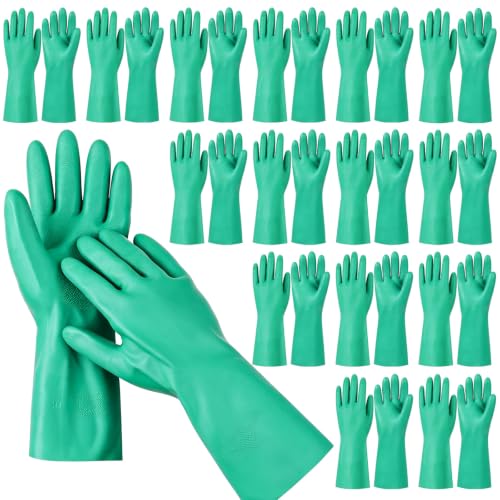
Using a lint roller is one of the quickest ways I’ve found to remove those troublesome strands from various surfaces. Simply roll it across the affected area, and the sticky sheets will capture the hair effortlessly. For a more environmental approach, a damp sponge or rubber glove can also work wonders. Just rub it over the fabric, and watch as the hair clumps together for easy disposal.
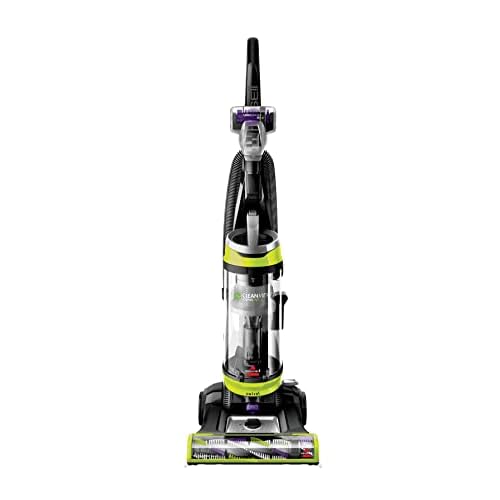
Another handy tip: try using a vacuum cleaner equipped with an upholstery attachment. Regularly vacuuming helps maintain a fur-free environment. If your vacuum has a rotating brush, it can agitate the fibers, making it easier to pull loose hairs out.
For fabric surfaces that resist hair removal, misting them lightly with water can help. The moisture will cause the hair to stick together, making it simpler to gather them up with a cloth or rubber glove. This technique greatly reduces airborne particles and keeps the area cleaner for longer.

Regular grooming of your pet can drastically minimize shedding, which in turn makes maintaining a clean living space much easier. Incorporating brushing sessions into your routine will undoubtedly contribute to a fur-free home environment.
Tips on Removing Pet Hair from Your Upholstery
I recommend using a rubber glove for a quick solution. Simply dampen the glove slightly and run your hand over the fabric. The subtle friction will cause the strands to clump together, making them easier to gather and dispose of.
For fabrics that can withstand some abrasion, try a lint roller. The sticky sheets effectively pick up loose particles without much effort. Make sure to keep a roller handy in multiple rooms for convenience.
- Consider using a vacuum cleaner equipped with a pet hair attachment. This tool is designed specifically for tackling embedded hairs in upholstery.
- Mix equal parts water and fabric softener in a spray bottle. Lightly mist the surface of the sofa before wiping it down with a microfiber cloth. This method helps to loosen stubborn fibers.
In case of stubborn accumulation, a pumice stone can be surprisingly effective. Gently rub the stone against the surface to lift away trapped hairs. Ensure to test a small area first to prevent damage.
- Change your cleaning routine to include regular grooming of your pet. A consistent brushing can significantly reduce the amount of shed hair.
- Consider using slipcovers or throws that are easy to wash and can be easily replaced when needed.
Utilizing these methods creates a more enjoyable living space and can enhance your overall comfort while sharing your home with your furry friend.
Choosing the Right Tools for Fur Removal
For optimal results, I recommend starting with a high-quality lint roller. These adhesive sheets are perfect for quickly picking up loose strands from surfaces. Look for a roller with a sturdy handle to ensure ease of use.
A vacuum cleaner with a pet hair attachment can efficiently handle more stubborn clumps. Opt for models specifically designed for picking up pet hair, as they feature powerful suction and specialized brushes.
Rubber gloves can be surprisingly effective. Dampen them slightly and run your hands over the upholstery. The static electricity generated will attract and lift the hair.
A soft-bristled brush, such as a broom or upholstery brush, provides another useful option. The bristles loosen trapped materials while allowing for easy collection.
Consider using a fabric softener spray diluted with water. Lightly misting the fabric can help loosen the hair. Afterward, wipe with a cloth or use another tool to gather the loosened debris.
In addition to these tools, regularly grooming your furry companion helps limit the amount of shedding on your belongings. Staying proactive makes the cleaning process much smoother.
Vacuuming Techniques for Upholstery
Utilize a vacuum equipped with a specialized upholstery brush attachment for optimal results. This tool allows for thorough cleaning of fabrics without risking damage. Ensure the vacuum settings are adjusted for the material you are working with, as different textures require varied suction levels.
Direction Matters
Vacuum in multiple directions. Start by moving the brush across the upholstery in one direction, then switch angles. This approach lifts trapped hairs effectively, ensuring complete removal. Pay special attention to seams and crevices, using the crevice tool to access hard-to-reach areas.
Maintenance of Equipment
Regularly check and clean vacuum filters and brushes. Clogged filters diminish suction power, compromising cleaning efficiency. Additionally, remove any hair or debris tangled in the brush roll. This simple maintenance step can enhance the performance of your equipment, making each cleaning session more productive.
Using Lint Rollers and Sticky Tape
For quick and thorough removal of pet hair, I rely on lint rollers with strong adhesive sheets. I find it effective to roll them over surfaces in a systematic pattern: start from one edge and move toward the opposite side. This method captures even the finest strands without leaving residue.
If a lint roller isn’t handy, sticky tape serves as an excellent alternative. I wrap a piece around my hand with the adhesive side facing out, then pat it against the upholstery. The tape will lift hair effortlessly. Make sure to replace it as needed, as it loses its effectiveness once saturated.
I prefer using wider tape for larger areas, as it covers more ground quickly, while narrower tape works wonders on smaller, intricate surfaces. Always work in sections to ensure nothing is missed.
After removing the bulk of the hair, I follow up with a damp cloth to pick up any remaining particles, ensuring a clean and tidy appearance. Regular use of these tools greatly minimizes buildup, making cleaning sessions shorter and more manageable.
Applying Rubber Gloves for Easy Fur Picking
I found that rubber gloves serve as an excellent tool for removing pet hair from various surfaces. By simply putting them on, I can effectively gather loose strands without causing damage to my upholstery.
Technique
To use rubber gloves for removing hair, follow these steps:
- Put on a pair of dry rubber gloves.
- Gently rub the surface of the upholstery in a circular motion.
- Notice how the hair gathers into clumps, making it easy to pick up.
- Rinse the gloves occasionally to remove collected hair for continued efficiency.
Benefits
This method not only lifts debris but is also non-invasive, preserving the integrity of the fabric. Additionally, the gloves can be used on various areas, from couches to cushions, making them versatile for cleaning tasks. It’s a simple yet effective way to tackle those pesky strands.
| Glove Type | Benefits |
|---|---|
| Latex | Flexible and form-fitting; good for gripping. |
| Rubber | Durable and offers a high level of traction. |
| Dishwashing | Longer cuffs to protect arms; usually thicker. |
Using rubber gloves is a straightforward strategy that simplifies the process of cleaning up pet hair, turning a tedious chore into a manageable task.
Implementing Fabric Softener Solutions
I recommend mixing fabric softener with water in a spray bottle. Use a ratio of one part softener to four parts water. Lightly mist the upholstery and allow it to sit for about 10-15 minutes. This will help loosen the strands and make removal easier.
Usage Tips
Test the solution on an inconspicuous area first to ensure compatibility with your material. After applying, use a soft brush or cloth to gently wipe the surface, collecting the lifted strands effectively.
Alternative Approaches
If you prefer a less traditional method, consider soaking a cloth in the fabric softener mixture and then running it over the surface. This can also help attract the stray hairs while leaving a fresh scent behind.
Consistency in application can increase effectiveness. Repeat weekly or bi-weekly for optimal results in maintaining a hair-free environment.
Maintaining Fur-Free Furniture with Regular Cleaning
I recommend establishing a weekly cleaning routine to keep surfaces clear of pet hair. Schedule a specific day where you can dedicate time to thoroughly vacuum upholstery and furniture. By doing this consistently, accumulated strands will be minimized, making each session much easier.
Another useful step is to incorporate fabric-friendly sprays with anti-static properties. Spraying lightly before vacuuming reduces static electricity, which can attract more stray strands. This ensures a more thorough clean overall.
In addition, I find that rotating cushions and throws can lessen hair build-up. Regularly flipping and alternating these items not only spreads wear but also encourages less hair from adhering to specific areas, leading to reduced cleaning needs.
It’s beneficial to select slipcovers for items like sofas and chairs. Machine-washable coverings can greatly simplify maintenance. Whenever hair accumulation becomes noticeable, a quick wash can refresh the materials without intensive effort.
Lastly, don’t overlook the importance of grooming your feline companion regularly. Frequent brushing helps reduce shedding, limiting how much ends up on surfaces. By managing hair at the source, you’ll notice a significant decrease in the amount that lands on your furnishings.
Creating a Cat-Friendly Space to Minimize Fur Transfer
Establishing zones specifically for your feline can greatly reduce the transfer of hair to surfaces. Here are actionable steps:
- Designate a specific area for activities, such as a cozy cat tree or a blanket, where your pet can relax and play. This confines shedding to one spot.
- Utilize washable covers or throws on sofas and chairs where your pet spends time. Regularly launder these to keep hair at bay.
- Incorporate rugs that capture loose strands but are easy to clean, like those made from natural fibers or low-pile materials.
- Provide grooming tools nearby to encourage regular brushing. A dedicated grooming station makes it easier to maintain a tidy environment.
- Limit access to areas with delicate upholstery, creating barriers or using closed doors to keep your pet from certain spaces.
Additionally, consider introducing air purifiers equipped with HEPA filters. This can help trap airborne particles, including any loose hairs, enhancing overall cleanliness in your living space.
Lastly, maintain a consistent cleaning routine tailored around your pet’s habits. Frequent vacuuming and dusting will complement your efforts in preserving a tidy atmosphere.


