Caleb Turner
I recommend utilizing a vacuum cleaner equipped with a HEPA filter to efficiently eliminate allergens from various surfaces. This type of vacuum captures even the tiniest particles, ensuring that your space remains clean and allergy-friendly.
Regularly washing removable upholstery covers in hot water can drastically reduce the presence of these irritants. Follow the manufacturer’s care instructions, and opt for a washing detergent specifically designed to neutralize allergens.
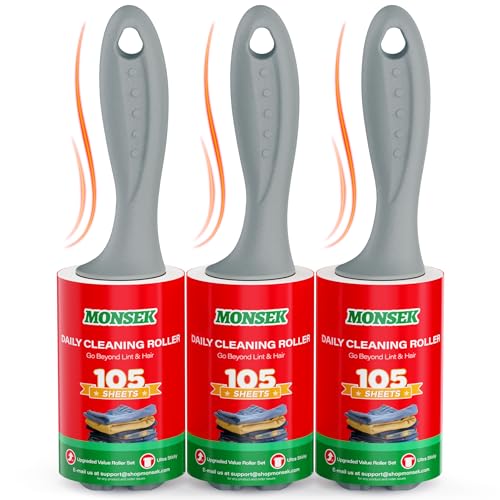
Incorporating a lint roller or sticky tape can work wonders for quick pickups. Simply run the roller or tape over the targeted areas to gather hair and other particles that may have settled. This method is particularly useful for hard-to-reach spots.
An air purifier equipped with a HEPA filter can significantly improve indoor air quality by trapping allergens as they circulate. Placing one in common areas will create a healthier environment for everyone.


Finally, employing a damp microfiber cloth to wipe down surfaces will not only capture allergens but also prevent them from becoming airborne again. Frequent cleaning with this method helps to maintain a healthier living space.
Choosing the Right Cleaning Supplies for Dander Removal
Microfiber cloths are highly effective for trapping allergenic particles. I prefer using them due to their dense fibers, which capture more debris compared to traditional materials. When wiping surfaces, slightly dampen the cloth for better results.
Vacuum cleaners with HEPA filters serve as a strong ally in minimizing allergens. I recommend a model designed for pet owners, as they usually have specialized attachments to reach tight spots and upholstery effectively.
To tackle stubborn residues, enzymatic cleaners work wonders. These products break down proteins found in allergens, facilitating easier removal. Ensure the cleaner is safe for the surfaces you’re treating.
Sprays specifically designed to neutralize allergens can also be beneficial. Look for non-toxic options that don’t leave harmful residues, ensuring a safe environment for both you and your pets.
Add air purifiers equipped with HEPA filters to your arsenal. These devices help to maintain cleaner air and reduce overall allergen levels in your living space.
- Microfiber cloths
- HEPA-filter vacuum cleaners
- Enzymatic cleaners
- Allergen-neutralizing sprays
- Air purifiers
Preparing Your Furniture for Cleaning
Before proceeding with the cleaning process, I clear the area of all items on and around the surfaces. This includes cushions, blankets, and decorative objects to ensure I have full access to every part. It’s easier to manage the workspace without obstacles.
Next, I assess the material of the surfaces. Different textiles require specific techniques; for example, a leather couch might need a less abrasive method than a fabric sofa. Knowing this helps determine my approach and cleaning agents.
Vacuuming Techniques
I always use a vacuum cleaner equipped with a HEPA filter. This effectively traps particles while I vacuum. I focus on seams and any crevices where allergens can accumulate. My technique includes using brush attachments on softer materials to avoid damage.
Spot Treatment Preparations
If visible stains or marks exist, I mix a gentle cleaner with water. Testing this solution on a hidden area is crucial to ensure there’s no discoloration. I apply it with a microfiber cloth, using gentle, circular motions to lift any trapped residue.
Vacuuming Techniques to Capture Cat Dander
I recommend using a vacuum cleaner equipped with a HEPA filter for optimal results. This type of filter traps even the smallest particles, ensuring that allergens are effectively collected.
For maximum efficiency, vacuum in a systematic pattern. Start at one corner of the room and work your way across to ensure no area is missed. Use slow, deliberate passes to allow the vacuum enough time to pick up particles lodged in fabrics.
Pay special attention to seams and crevices where lint and hair accumulate. A crevice tool can be particularly useful for reaching these tight spots. Consider using an upholstery attachment for soft surfaces to enhance suction on cushions and chairs.
If possible, vacuum at least once a week to prevent buildup. In high-traffic areas or in homes with pets, increasing the frequency to every few days can significantly reduce allergens.
Remember to empty the vacuum bag or canister regularly. A full vacuum can lose suction power and release captured particles back into the air.
Finally, vacuuming in a specific order can aid in reducing airborne particles; start from the highest points in the room, such as shelves or curtains, and work downwards to prevent resettling debris.
Using Lint Rollers and Sticky Sheets on Upholstery
I recommend using lint rollers and sticky sheets as a simple yet effective method for removing allergens from fabric surfaces. These tools are designed with a sticky adhesive that captures tiny particles while being gentle on upholstery, ensuring no damage occurs during cleaning.
Application Technique
To begin, firmly press the roller or sticky sheet onto the fabric, allowing the adhesive to pick up debris. Use a consistent motion; in most cases, rolling away from the seams and edges ensures maximum capture of allergens. Reapply the sticky sheet as it fills, keeping the tool effective throughout the cleaning process.
Ideal Scenarios for Use
For best results, use lint rollers on lighter fabrics, such as sofas or armchairs with smooth textures. Sticky sheets can be beneficial on textured materials where allergens tend to cling more tightly. Regular use of these tools significantly reduces the amount of particles present, contributing to a healthier indoor environment.
Washing Removable Covers and Fabrics Properly
To thoroughly clean removable covers and fabrics, I follow these steps:
- Read Labels: I always check the care instructions on labels. These provide guidance on washing methods and recommended temperatures.
- Pre-Treat Stains: I apply a gentle stain remover to any visible marks. Allow it to sit for a few minutes before washing.
- Choose Appropriate Settings: Using my washing machine, I select a gentle cycle with cold water to prevent shrinking and fading. If fabrics are delicate, I place them in a mesh laundry bag for added protection.
- Use Suitable Detergent: I opt for a hypoallergenic detergent, knowing it works well without leaving residues that could trigger sensitivities.
- Avoid Fabric Softener: I skip fabric softeners as they can leave a film that attracts more allergens. Instead, I use vinegar as a natural softener if needed.
- Drying Method: Depending on the fabric, I either air dry or use the dryer on a low heat setting. I ensure everything is completely dry to prevent mildew.
I can also take advantage of spot cleaning for minor spills or marks between washings, ensuring surfaces remain fresh.
Applying Anti-Dander Sprays and Treatments
Incorporating anti-allergen sprays into my cleaning routine significantly reduces allergens in my living space. I focus on selecting products designed specifically for pet allergens. Always verify if the spray is safe for various surfaces to avoid damage.
Steps for Application
1. Ensure the area is well-ventilated before starting application.
2. Shake the spray bottle well to activate the ingredients.
3. Apply the spray evenly on the upholstery and surfaces, keeping a distance of about 6-12 inches. A light misting is optimal.
4. Allow the treatment to settle for the recommended time indicated on the product label before using the furniture.
Post-Application Care
Avoid moisture exposure for a while to let the product work effectively. Regular maintenance is vital; reapplication should follow the manufacturer’s guidelines to keep allergens minimized.
| Product Type | Surface Compatibility | Frequency of Use |
|---|---|---|
| Pet Allergen Spray | Upholstery, Carpets | Every 2-4 weeks |
| Odor Neutralizer | Various Surfaces | As needed |
| Fabric Refresher | Couch Covers, Curtains | Every month |
Choosing a suitable product tailored to my specific needs enhances my efforts in creating a more comfortable environment.
Establishing a Regular Cleaning Routine to Prevent Accumulation
I recommend a consistent cleaning schedule that incorporates daily, weekly, and monthly tasks. Daily dusting of surfaces with a damp cloth can make a significant difference. This helps to capture allergens that settle quickly, reducing buildup over time.
Daily Maintenance
Wipe down surfaces, including shelves, tables, and electronics, to remove particles. Use a microfiber cloth, as it effectively traps dust. For upholstery, a quick once-over with a lint roller can eliminate stray hairs and allergens.
Weekly and Monthly Strategies
Every week, vacuum thoroughly using a vacuum equipped with a HEPA filter. Focus on high-traffic areas, paying special attention to corners and under furniture where debris tends to accumulate. Once a month, consider deep cleaning your upholstery and any removable covers.
Incorporating these tasks into your routine significantly minimizes allergen presence, allowing for a cleaner, more comfortable living environment.