Caleb Turner

Most children transition away from elevated sleeping solutions by the age of 9 to 12 years. During this period, physical growth, changing comfort preferences, and safety considerations play significant roles in determining the appropriate sleeping arrangement.
Height is a key factor; many youngsters reach a stage where they find climbing into and out of these structures cumbersome. Additionally, a shift in psychological comfort often accompanies this growth, leading to a preference for grounded sleeping options. A seamless change can occur around 10 years, as many begin to seek personal space and independence in their sleeping environments.
For some, practical considerations such as transitioning to a more spacious bedroom or adjusting to a new home setting may expedite this process. It’s crucial to observe their readiness for the switch, ensuring that the change aligns with their developmental needs and safety. Understanding these dynamics allows parents and guardians to make informed decisions regarding sleeping accommodations.
Determining the Right Time for Transitioning from Elevated Sleeping Arrangements
I recommend assessing the comfort and safety levels of your child at around the age of 12. This is typically when physical growth and changes in preferences become more evident. Many factors can influence this decision:


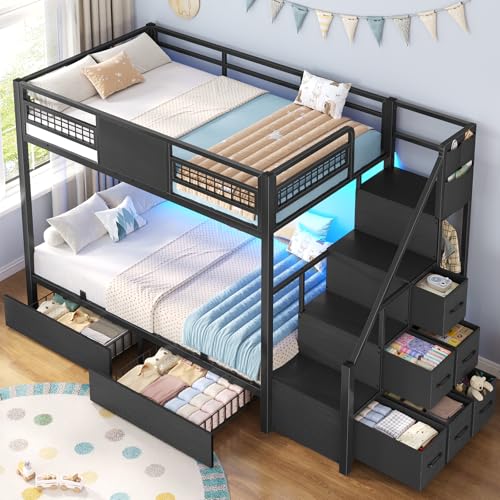
Physical Considerations
- Height: If your child is nearing five feet tall, they may find the space restrictive.
- Weight: Increased weight can cause concerns about structural integrity.
- Mobility: If they are increasingly restless during sleep, it might be wise to reconsider their sleeping setup.
Behavioral Signs
- Preference for sleeping closer to the ground can indicate discomfort with higher sleeping arrangements.
- If they express fear of falling or show signs of anxiety when sleeping elevated, it is time for a change.
Ultimately, ensuring both comfort and safety is paramount. It is advisable to listen to signals and make the transition when necessary. Regular discussion about their sleeping preferences can also provide insights into their feelings regarding their sleeping setup.
Understanding Age and Height Considerations
The optimal age range for transitioning from a raised sleeping structure typically falls between 10 to 12 years. Factors influencing this timeline include physical growth and individual comfort levels. Children tend to reach a height where climbing or sleeping at elevated levels may become uncomfortable or unsafe by this age.
As a rule of thumb, any child approaching 5 feet tall may start to feel cramped or restricted in an elevated sleeping arrangement. Standard designs accommodate users up to around that height. Beyond this point, the likelihood of bumping heads or struggling to maneuver increases, making it advisable to explore options better suited to their stature.
Weight capacity is another critical aspect. Most elevated frames are safe for children weighing around 150 pounds, but heavier adolescents should consider sturdier alternatives. Regularly monitoring both height and weight can help in assessing the suitability of the current sleeping setup.
Additionally, personal preference plays a pivotal role. Some may outgrow the desire for sleeping at a height before reaching the height or weight thresholds. Comfort and safety should always guide the decision to transition to a different arrangement.
Regular discussions about comfort, safety, and preferences can ensure a smooth transition. Parents and guardians should remain aware of their child’s development and readiness to make necessary adjustments to their sleeping arrangements accordingly.
Signs Your Child Is Ready for a Bigger Bed
If your child consistently complains about feeling cramped or restricted during sleep, it’s a strong indicator that they require more space. Look for signs of restlessness at night, such as frequent tossing and turning or falling out of their current sleeping arrangement.
Another significant signal is their rapid physical growth. If you notice they have outgrown their pajamas or their feet are frequently touching the end of their mattress, it’s time to assess their sleeping needs.
Consider their age too; around the ages of 5 to 7, many begin to express preferences about their sleeping environment. If your child voices a desire for a different style of sleeping arrangement, take that into account.
Additionally, observe their activity during the day. If friends frequently come over for sleepovers, a more spacious setup can enhance their comfort and accommodate guests. A transition toward independence can also be marked by a request for a larger sleeping area.
| Signs | Recommendations |
|---|---|
| Complaints of feeling cramped | Consider upgrading to a larger model |
| Frequent physical growth | Evaluate the size of their current sleeping space |
| Desires for change | Discuss options with your child |
| Increased sleepovers | Choose a design that maximizes space |
| Restlessness during sleep | Explore various sizes and styles |
Safety Concerns with Loft Beds for Older Children
Evaluate the height of the structure relative to the child’s overall size and agility. A clearance of 30 inches or more is recommended to minimize the risk of falls. Utilize guardrails on both sides for extra security, particularly if the individual frequently tosses and turns during sleep.
Assess the sturdiness of the frame. A model that wobbles or creaks under weight can signify it may not withstand active use. Look for a weight capacity that comfortably exceeds the user’s current weight, ensuring stability and durability over time.
Consider the ascent and descent methods. Ladders should provide robust handholds and non-slip surfaces. If the young person lacks the coordination or strength to navigate effectively, it might be a signal to transition to a different style of sleeping arrangements.
Survey the surrounding environment. Ensure that items such as ceiling fans or shelving are out of reach. Keeping the area free from clutter can prevent accidents during climbing or falling.
Monitor behavioral changes. Should there be signs of anxiety regarding sleeping at a height, it may indicate the need for immediate reassessment of sleeping choices. Safety should always be prioritized over aesthetic appeal.
Transitioning from a Loft Bed to a Standard Bed
A seamless switch requires planning. Transitioning involves evaluating both physical space and your child’s emotional readiness. Consider the following steps for a successful change:
Choosing the Right Timing
Timing matters significantly. Look for signs indicating that a standard sleeping arrangement would be more suitable:
- Change in sleep patterns or increased restlessness during the night.
- Expressed desire for more sleeping comfort or additional space.
- Heightened awareness of risks associated with higher sleeping options.
Involvement of Your Child
Engagement in the process can enhance excitement. Involve your child in the selection of the new sleeping arrangement:
- Let them choose colors, themes, or specific features of the new setup.
- Encourage them to help with the move by packing or rearranging belongings.
- Discuss any concerns or preferences they may have regarding the transition.
The overall goal is to ensure your child feels included and enthusiastic about their new space while ensuring it meets safety and comfort requirements.
Space-Saving Alternatives to Loft Beds
Explore bunk beds with integrated storage or desk units. This solution maximizes vertical space while providing functional areas for study or play. Many modern designs feature multiple configurations to fit various room layouts.
Consider convertible furniture that transforms from a sleeping surface to a seating area. Futtons and trundle beds can effectively utilize space without compromising on style or comfort.
A Murphy bed is another excellent option, folding down from a wall to create a sleeping space when needed and disappearing during the day to maintain open areas for activity.
Shelves and modular storage systems complement these arrangements by keeping essential items organized and accessible. Wall-mounted units can further enhance floor space by utilizing vertical areas creatively.
As children’s needs evolve, a play nook or a reading corner can be integrated to maintain functionality without requiring additional floor space. Adjustable height desks can adapt as children grow, ensuring continued suitability over the years.
Lastly, explore multi-functioning bean bags or cushions for informal lounging that can easily be moved or stored, contributing to a versatile environment that adapts to various activities and preferences.
Adjusting the Loft Bed for Growing Kids
Consider lowering the elevation of the elevated sleeping area as your child increases in height. This adjustment can enhance safety and comfort, allowing easier access and eliminating the risk of falls associated with greater heights.
Changing the Bedding and Accessories
Switch to a thinner mattress or adjust the bedding to create a snugger fit within the sleeping area. This modification can make it easier for your child to climb in and out, ensuring they feel secure and supported.
Customizing the Space Underneath
Utilize the space beneath the elevated platform effectively. As preferences evolve, consider turning this area into a study nook or reading corner. Creating a functional environment below can make the sleeping arrangement more versatile as your child matures.
Involving Your Child in the Decision-Making Process
Engaging your child in the process of selecting their sleeping arrangements is key. Start by having an open discussion about their thoughts and preferences regarding a new sleeping space. This encourages them to express feelings and opinions.
Consider creating a pros and cons list together, which allows them to weigh the benefits and drawbacks of keeping the elevated structure versus transitioning to a different option. This method fosters critical thinking.
| Preference | Pros | Cons |
|---|---|---|
| Keeping the Elevated Structure | Maximizes floor space, fun atmosphere | Potential safety concerns as they age |
| Switching to a Standard Setup | More stability and ease of access | Less adventurous sleeping experience |
Additionally, involve them in selecting a new sleeping solution. Look through catalogs, visit stores, or explore online options together. This hands-on approach makes them feel valued and aids in their decision-making maturity.
After reaching a conclusion, allow your child to participate in setting up their new sleeping area. This engagement creates excitement for the change and strengthens their sense of ownership and responsibility.
Factors Influencing the Lifespan of a Loft Bed
The lifespan of an elevated sleeping structure often hinges on several key factors, including size, material, and usage. Below are specific points that have proven to be significant.
1. Age and Weight Limitations
- Most designs have a suggested weight limit, typically around 200-250 pounds. Monitoring your child’s weight can aid in deciding when an upgrade is prudent.
- As children age, their needs evolve. Frequent growth spurts can necessitate a transition to a sturdier sleeping solution sooner than anticipated.
2. Material Durability
- Frames made from solid wood tend to offer more longevity than those crafted from particleboard or lighter metals.
- Regular maintenance, such as checking for loose screws or weakened joints, can extend the item’s usability.
3. Functional Design
- Some pieces feature built-in desks or storage space that may become less relevant as one’s requirements change, thus prompting a switch to different furnishings.
- The adaptability of the structure, like adjustable height options, can determine how long it remains useful before needing replacement.
4. Child’s Personal Preferences
- As one matures, tastes in aesthetics and comfort can evolve. This might push towards more personalized sleeping arrangements.
- Engagement in the selection process can also influence how long one prefers to stay in their existing sleeping setup.
Keeping these factors in mind will help you evaluate the optimal time to consider alternatives, ensuring that the child’s sleeping environment remains safe and comfortable.