Caleb Turner
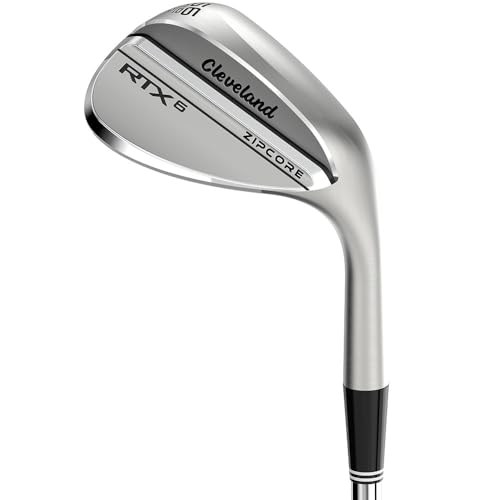
For optimal performance around the greens, I recommend considering a club with a bounce angle of 8 to 12 degrees. This range enhances versatility across various surfaces, from tight lies to fluffy grass.
When selecting a model, I suggest focusing on a design that features a sole geometry that promotes proper interaction with the turf. Look for a classic or contemporary shape that fits your playing style, whether you prefer a rounded or squared-off lead edge.
Additionally, pay attention to the finish and grip options available. A matte finish can reduce glare, while a comfortable grip ensures better feel during shots. Also, the club’s weight should cater to your swing speed for optimal distance control.
Loft Information on a Cleveland Smart Dole Wedge
Typically, this golf club offers multiple options, including 52, 56, and 60 degrees. Choosing the right angle is crucial for achieving optimal shot control and desired ball trajectory. For instance, a 56-degree variant is popular for versatility around the greens, while a steeper 60-degree option excels in softer conditions and high-lofted shots.
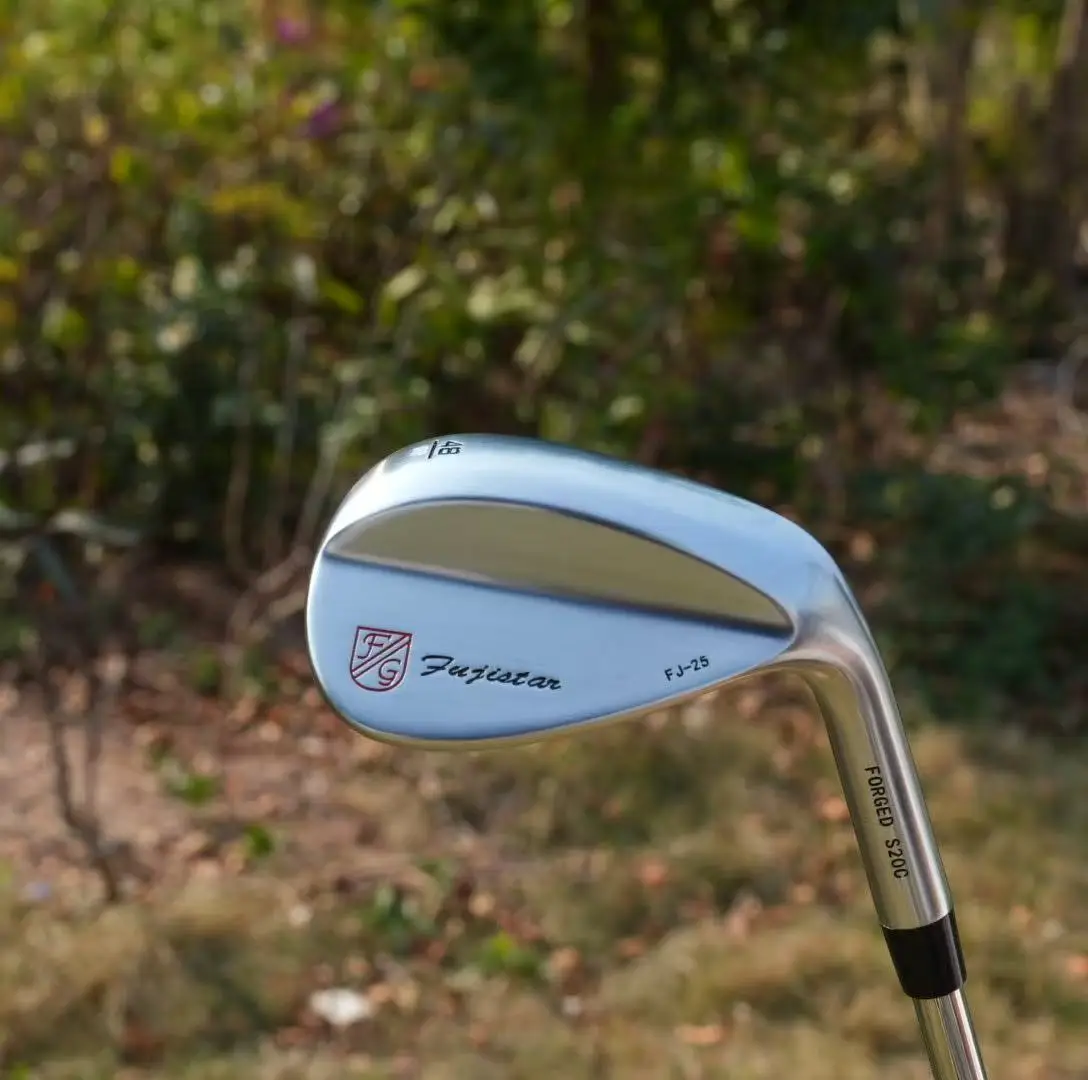
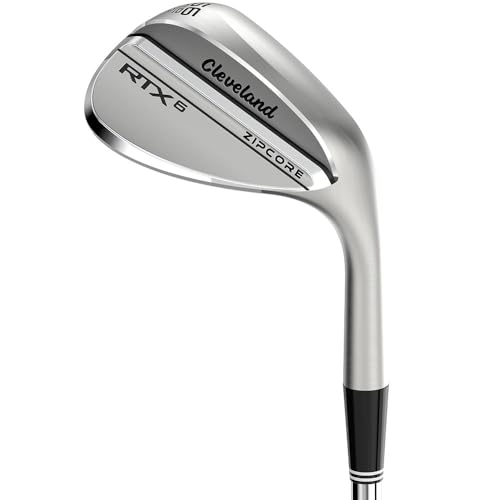

When assessing performance, I focus on how these angles impact spin and distance. A more pronounced degree often results in higher spin, which can enhance stopping power on greens. Conversely, a lesser angle allows for a fuller swing and extended yardage. Matching personal playing style with the appropriate angle can lead to improved short game capabilities.
Ultimately, testing various options is beneficial in determining which degree complements my technique. I recommend hitting shots with different configurations to gauge how each affects performance metrics such as spin, accuracy, and comfort during play.
Understanding Loft Specifications of the Cleveland Smart Dole Wedge
For precise short-game performance, pay attention to degrees that dictate trajectory and control. This particular model features options typically ranging from 54° to 60°. Each choice impacts how you approach various shots on the green.
Selection Insights
- 54° option exhibits a lower launch angle, ideal for bump-and-run techniques.
- 56° variant balances height and distance, suitable for versatile uses.
- 60° alternative allows for high lofted shots and delicate flops around the greens.
Know your style of play. A wedge with greater angle assists in executing steep approaches, maximizing spin for short-range precision, while those favoring a flatter trajectory might prefer a lower degree. Adjusting your selection according to course conditions can enhance your performance.
Practical Application
- Assess your typical shot types.
- Test different models under course conditions.
- Determine which angle aligns with your game’s strategy.
Adjusting specifications surrounding your wedge can significantly affect your short game success. Choosing the right angle leads to improved confidence in your performance on the course.
Practical Applications of Loft in Short Game Scenarios
For optimal performance around the greens, choosing a club with appropriate angle is key. Higher angles are ideal for shots requiring a steep descent, ensuring a soft landing on the green. This is particularly useful when facing tight pin placements or elevated greens. Conversely, for pitches and longer chips, a lower angle aids in achieving penetration through the grass, promoting roll after landing.
In cases where I need to navigate obstacles like bunkers or thick rough, a wedge with increased angle enables me to scoop under the ball for cleaner contact. Understanding how angle affects trajectory is vital in making these strategic decisions based on course conditions.
Practicing various lies will refine my skills in assessing how much angle is necessary for each shot type. Rehearsing with wedges of different specifications can create familiarity with how each club performs under specific circumstances, allowing me to adapt quickly during play.
In summary, the effective use of angle enhances versatility, providing me with the confidence to tackle a wide range of short game scenarios. Mastery of this aspect can significantly lower my scores and improve overall performance around the greens.
How Loft Affects Ball Trajectory and Spin
Increasing the angle of the clubface results in higher shots with more backspin. This is critical for controlling how the ball lands on the green. A more upright face helps to create a steeper descent, allowing for better stopping power upon impact with the surface.
When I adjust the angle on my clubs, I notice significant changes in how the ball behaves. For instance, a club with a higher angle can produce a softer landing and more controlled spin. This is particularly useful in approach shots, where precision is paramount.
Effects on Trajectory
Every increase in angle alters the launch angle. A steeper launch is ideal for approaching elevated greens or navigating obstacles. Conversely, a shallower angle may yield lower trajectories, which can be effective for chipping or bump-and-run strategies around the green.
Impact on Spin
Spin rates are influenced by both angle and impact conditions. A more pronounced face angle increases backspin, enhancing control on fast greens. Conversely, a rounded clubface could yield a lower spin rate, which may offer more roll-out when necessary.
| Angle | Trajectory Type | Spin Characteristics |
|---|---|---|
| Low | Shallow | Reduced Spin |
| Medium | Moderate | Balanced Spin |
| High | Steep | Increased Backspin |
In practice, understanding these dynamics allows for precise shot-making decisions based on course conditions and personal playing style. Adjusting face angle can optimize both trajectory and spin, ensuring adaptability for various short game situations.
Choosing the Right Loft for Your Swing Style
To optimize performance, select a club with specifications that complement your swing mechanics. A higher angle helps in executing delicate shots with more height and spin, suitable for those with slower swing speeds or those who prefer a higher trajectory. On the other hand, a lower angle is ideal for aggressive players who generate significant clubhead speed and want to minimize elevation for more roll upon landing.
Factors to Consider
- Swing Speed: Identify your swing speed; players with faster swings benefit from lower angles for better control and distance.
- Playing Style: If you frequently play around the greens, opt for a club that allows for versatility in shot-making, such as approaches requiring high, soft landings.
- Conditions: Evaluate the type of turf and weather; a higher angle may be more advantageous in softer conditions, whereas denser grass might require something closer to a flatter angle.
- Personal Comfort: Use a club that feels natural in your hands. Practice with different specifications to determine what feels best during your swing.
Testing and Adjusting
Spend time on the practice range experimenting with various angles. Take note of how each option performs with your standard swing. Utilize technology, such as launch monitors, to gather data on ball flight and spin rates, helping you make informed decisions moving forward.
Ultimately, honing in on the appropriate specifications will significantly enhance your short game, leading to improved accuracy and consistency around the greens.
Comparison of Angles with Other Short Game Clubs
In my experience, selecting the right angle is key for various short game scenarios. Comparing these angles to alternatives helps identify the best fit for specific situations on the course. For instance, a 56-degree alternative typically offers more versatility for pitching around the green compared to a 60-degree option, which excels in higher shots and more aggressive spins.
Effective Use Cases
When I use an angle in the 50-degree range, it proves effective for fuller swings, yielding consistent distance control for chip shots. In contrast, utilizing a 58-degree model allows for higher trajectory, making it easier to stop the ball quickly after landing. Each option caters to different requirements based on lie conditions and intended shot outcomes.
Match Your Swing and Conditions
Adapting based on personal swing style is crucial. A smoother, more sweeping swing benefits from a lower angle for better contact and distance, while those with steeper swings might prefer a higher angle for improved accuracy and control. Taking the time to evaluate each club’s performance in practice can significantly influence decision-making during gameplay.
The objective remains to find the optimal match between club angle and playing style for enhanced performance around the greens.
Adjusting Loft: Customization Options for Optimal Performance
To achieve peak performance with your short-game club, consider using an adjustable model. Custom alterations can refine shot versatility according to your unique playing style. The adjustment features typically allow for multiple angles, enabling you to tailor trajectory and spin effectively.
Finding the Ideal Angle
Start by assessing your typical swing mechanics. Different angles will influence your control and precision around the greens. For lower trajectories, opt for a flatter setting; for higher, choose a steeper one. Experimentation during practice sessions will help determine which setting enhances your natural swing.
Consulting a Professional
If you’re unsure about customization, visiting a knowledgeable professional can provide valuable insights. They can analyze your swing and recommend specific alterations to optimize performance. Utilizing technology like launch monitors can offer data-driven suggestions for your adjustments.
FAQ:
What is the loft angle of the Cleveland Smart Dole Wedge?
The Cleveland Smart Dole Wedge typically offers a loft angle of around 60 degrees, which is ideal for executing high, soft shots around the green. This loft allows players to increase their stopping power on approach shots, making it easier to control the ball’s landing and roll.
How does the loft affect my short game with the Cleveland Smart Dole Wedge?
The loft of the Cleveland Smart Dole Wedge plays a significant role in your short game. A higher loft, like that found in this wedge, enables players to hit higher shots, which are beneficial for navigating obstacles like bunkers or rough. It also allows for greater control when hitting delicate chips and pitch shots, as the ball can be made to land softly on the green.
Can I use the Cleveland Smart Dole Wedge for different types of shots?
Yes, the Cleveland Smart Dole Wedge is versatile and can be used for a variety of shots. While it excels in short approach shots due to its loft, you can also use it for flop shots, delicate chips, and even some longer pitch shots. The design of the wedge enhances your ability to manipulate the ball’s trajectory, giving you better options around the green.
What bounce options are available with the Cleveland Smart Dole Wedge, and how do they relate to loft?
The Cleveland Smart Dole Wedge typically comes with different bounce options, ranging from low to high bounce angles. The bounce works in conjunction with the loft, influencing how the wedge interacts with the turf upon impact. Players with a steeper swing can benefit from higher bounce angles to prevent digging into the ground, while those with a shallower swing might prefer lower bounce for better versatility on tighter lies.
How does the Cleveland Smart Dole Wedge compare to other wedges in terms of loft and forgiveness?
The Cleveland Smart Dole Wedge is known for its excellent combination of loft and forgiveness compared to other wedges. Its loft encourages high shots and precision, while the design features often seen in Cleveland wedges, such as wider soles or enhanced grooves, provide extra forgiveness on off-center hits. This means players can expect better performance even on less-than-perfect strikes, making it a popular choice among golfers seeking reliability in their short game.
What is the loft of a Cleveland Smart Dole wedge?
The loft of a Cleveland Smart Dole wedge varies depending on the specific model and configuration. Typically, these wedges offer a range of loft options from about 46 degrees to 60 degrees. The loft you choose can significantly affect your short game, as a higher loft angle allows for more elevation on tricky shots around the green. It’s essential to select the loft that best fits your playing style and the particular conditions you frequently encounter on the course.