
 Caleb Turner
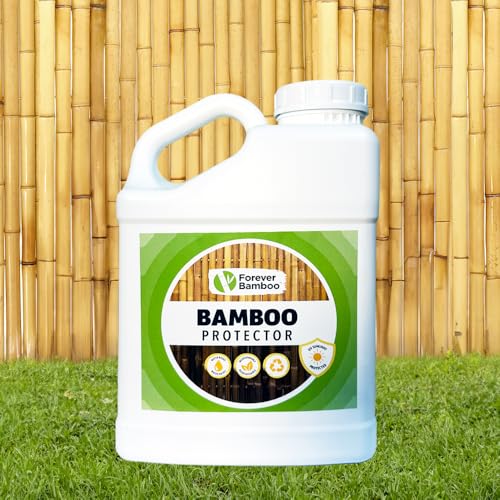
Applying a high-quality sealant is the first step in safeguarding your natural wood pieces from moisture. I recommend using a water-repellent wood finish or a penetrating oil that can create a barrier against the elements. Make sure to choose a product suitable for outdoor use if the items will be exposed to rain or humidity.
Before applying the product, ensure the surface is clean and dry. Sand the area gently to create a smooth finish and improve adhesion. Wipe away any dust or debris with a damp cloth. Once prepared, use a brush or cloth to apply the sealant evenly, following the manufacturer’s directions for drying times and number of coats needed.
Regular maintenance is key to prolonging the life of your wood items. Every few months, consider reapplying the sealant, especially if you notice signs of wear or if the surface starts to feel rough. This proactive approach will keep your natural creations looking beautiful and well-protected year-round.
Waterproofing Techniques for Wooden Pieces
I recommend applying a high-quality sealant specifically formulated for wood to shield against moisture. Choose a product that has been rated for outdoor use if the items will be exposed to the elements. Before applying, ensure the surface is clean and dry to allow optimal adhesion.
Application Steps
Start with sanding the surface to create a smooth texture. This step is crucial as it helps the sealant to penetrate better. Following this, wipe down the surface with a damp cloth to remove dust and debris. Once dry, apply the sealant with a soft brush or roller, making sure to cover every nook and cranny.


Let the first coat dry completely, then lightly sand again for enhanced adhesion. A second coat will provide additional protection. Always follow the manufacturer’s instructions regarding drying times and the number of coats required for maximum durability.
Regular Maintenance
I recommend periodic inspection for cracks or wear in the barrier. If any issues are noted, reapply the protective layer as needed to maintain resistance against moisture and prolong the life of the items.
Using a protective cover during harsh weather conditions can significantly extend the lifespan of these exquisite pieces.
Choosing the Right Waterproofing Product for Bamboo
For optimal protection, I recommend selecting products specifically designed for porous materials. Look for penetrating sealers that provide a barrier without altering the natural appearance of the surface.
Acrylic-based sealants work well, as they form a flexible film while allowing moisture vapor to escape. This is crucial to prevent trapping moisture that can lead to mold or decay.
Oil-based treatments are another viable option. They penetrate deeply into the fibers, offering long-lasting defense against liquid absorption. Ensure the oil is suitable for outdoor use if the item will be in exposed environments.
Always check the manufacturer’s label for compatibility with the specific type of material I’m using. Water-based options can also be effective and are easier to clean up, but may require more frequent reapplication.
In areas with heavy moisture, I opt for products containing fungicides to combat potential mold growth. Always test a small, inconspicuous area before applying any product to ensure compatibility and desired results.
Lastly, consider the finish–matte, satin, or gloss–as this can affect the final look. A satin finish offers a balanced appearance, enhancing the natural beauty while providing protection.
Preparing Bamboo Furniture for Waterproofing
Begin with a thorough cleaning of the surface. Use a soft cloth or sponge with a mild detergent solution to remove dirt, dust, and any residue. Rinse with clean water and let it dry completely. Moisture can interfere with the application process, making it critical to ensure the item is fully dry.
Next, inspect for any imperfections. Check for scratches, cracks, or splinters. Lightly sand these areas using fine-grit sandpaper to create a smooth surface. This step promotes better adhesion of the chosen sealing agent.
Consider applying a wood conditioner beforehand. This product helps balance the moisture content within the material and prepares it to absorb the protective treatment evenly. Follow the manufacturer’s instructions for application and drying times.
Gather necessary tools: a high-quality paintbrush, roller, or spray applicator for uniform coverage. Ensure that you work in a well-ventilated area to facilitate even curing of the applied product.
For an additional protective layer, masking tape can be useful. Apply it along edges and areas you wish to keep unsealed to achieve clean lines during treatment.
| Steps | Details |
|---|---|
| Clean | Use mild detergent and water; dry thoroughly. |
| Inspect | Look for scratches or damage; sand lightly. |
| Condition | Apply wood conditioner to balance moisture. |
| Tools | Brush, roller, or spray applicator for application. |
| Mask | Use tape to protect edges during treatment. |
Once these preparations are completed, the material will be ready for the next phase. Follow the recommended guidelines for choosing and applying the sealing agent to ensure longevity and protection against the elements.
Applying Waterproofing Treatments: Step-by-Step Guide
Choose a dry, warm day for application to ensure optimal adherence of your chosen sealant.
- Gather necessary supplies: a brush or roller, a clean cloth, protective gloves, and the selected sealant.
- Ensure that the surface is clean and free from dust and debris by wiping it down with a damp cloth, then allow it to dry completely.
- Pour the sealant into a paint tray or suitable container. It’s essential to follow the manufacturer’s instructions regarding any necessary mixing.
- Using the brush or roller, apply the sealant evenly, starting from one end and moving to the other. Pay close attention to joints and any areas prone to moisture.
- After the first coat, allow the product to cure as per the instructions. This may take several hours to a full day. Ensure proper ventilation during this time.
- Inspect the application for any missed spots or areas needing additional coverage. If necessary, apply a second coat in the same manner.
- Wait for the final coat to fully cure before using the piece. This duration varies by product, so verify on the label.
Ensure proper cleaning of your tools with water or solvent, depending on the sealant used, right after application. This helps maintain your tools for future use.
Sealing Joints and Cracks in Bamboo Furniture
I apply a suitable sealant to all joints and cracks to create a strong barrier against moisture. A polyurethane sealant works well due to its flexibility and durability. Before applying, I ensure that the surface is clean and dry, allowing the product to adhere properly.
Step-by-Step Process
First, I inspect the entire piece for any visible gaps. I then use a small brush or a putty knife to fill these openings with the sealant. It’s crucial to apply the product evenly, ensuring complete coverage. Once filled, I smooth the surface with my finger or a damp cloth to achieve an even finish. After allowing it to cure according to the manufacturer’s instructions, I inspect the areas once again to confirm no cracks remain unsealed.
Final Touches
After the sealant has cured, I gently sand the area for a seamless look, preparing it for any finishing products. This enhances both the aesthetic and the longevity of the item. Regular checks on these sealed areas will help maintain the integrity and appearance over time.
Maintaining Waterproofed Bamboo Furniture Over Time
Regular inspections are necessary for the longevity of treated pieces. Every few months, I check for any signs of wear, especially in high-use areas or where water exposure is likely. If I notice any fading or damage, I reapply the chosen sealant promptly to prevent further issues.
Cleaning Techniques
For routine cleaning, I use a damp cloth and mild soap. Avoiding abrasive cleaners helps preserve the protective layer. After cleaning, I ensure the surface is thoroughly dried to prevent moisture absorption. For deeper cleanings, a solution of vinegar and water can effectively tackle stubborn stains without harming the finish.
Seasonal Care
In regions with significant weather changes, I adapt maintenance according to the season. During winter or rainy periods, I increase monitoring and apply an additional coat of sealant if temperatures allow. In summer, I ensure my pieces are kept in shaded areas to prevent UV damage, which can degrade coatings over time. By being proactive in these ways, I help ensure that my treated items remain in excellent condition for years.
Common Mistakes to Avoid When Waterproofing Bamboo
Neglecting surface preparation is a frequent error I notice. Always clean and sand the material to ensure that the protective agents adhere properly. Inadequate cleaning can trap dirt and oils, which may lead to a failed application.
Using the wrong product is another pitfall. It’s vital to choose treatments specifically formulated for porous plants. Products made for other materials might not penetrate correctly or provide the desired protection.
Applying too thick a layer also causes issues. Excessive treatment can result in a tacky finish, which attracts dust and dirt. It’s better to apply multiple thin coats, allowing adequate drying time between each.
- Apply your first coat and let it dry completely.
- Inspect the surface; if it appears uneven or patchy, apply another thin layer.
Skipping joint and crack sealing can create weak points where moisture can enter. Make sure to fill any gaps with a suitable sealant prior to applying protective layers.
Finally, neglecting maintenance after the application is a common oversight. Regularly check for signs of wear or damage and reapply protective coatings as necessary to preserve integrity.
FAQ:
What are the best materials to use for waterproofing bamboo furniture?
When waterproofing bamboo furniture, there are several effective materials you can use. Natural oils like tung oil or teak oil are popular choices because they penetrate the bamboo fibers and provide a water-resistant barrier. Additionally, marine varnish or epoxy resin can offer strong protection against moisture while enhancing the appearance of the furniture. Make sure to choose a product that is specifically designed for outdoor use if the furniture will be exposed to the elements.
How often should I apply waterproofing treatment to my bamboo furniture?
The frequency of applying waterproofing treatment depends on various factors such as the climate and how often the furniture is used. Generally, it’s a good idea to reapply the treatment every 6 to 12 months for outdoor furniture. For indoor bamboo furniture, you might extend the interval to once every couple of years. Regular inspections will help you determine when the treatment needs to be reapplied and keep your furniture protected.
Can I use regular wood sealant on bamboo furniture?
While you can use regular wood sealants on bamboo furniture, it is advisable to choose products that are specifically designed for bamboo or tropical woods. Bamboo has unique properties compared to traditional hardwoods, and using a sealant that caters to its structure will yield better results. Always check the product specifications to ensure compatibility and optimal performance.
What steps should I take before waterproofing my bamboo furniture?
Before waterproofing your bamboo furniture, start by thoroughly cleaning it to remove dirt, dust, and any residues. You can use a mild soap solution and a soft cloth for this. After cleaning, let the furniture dry completely in a well-ventilated area. It’s also essential to lightly sand the surface of the bamboo, which helps the waterproofing treatment adhere better. Make sure to use fine-grit sandpaper and wipe away any dust after sanding before applying the waterproofing solution.


