Caleb Turner

Begin with a clean surface; wipe away dust and grime using a soft cloth. For deeper cleaning, a damp cloth can help remove stubborn residues, but ensure the surface is dry before application.
Next, warm the natural resin slightly to enhance its spreadability. This can be done by placing it in a warm area or using a hairdryer on a low setting. A thin layer is ideal; it allows for even absorption and a smooth finish.

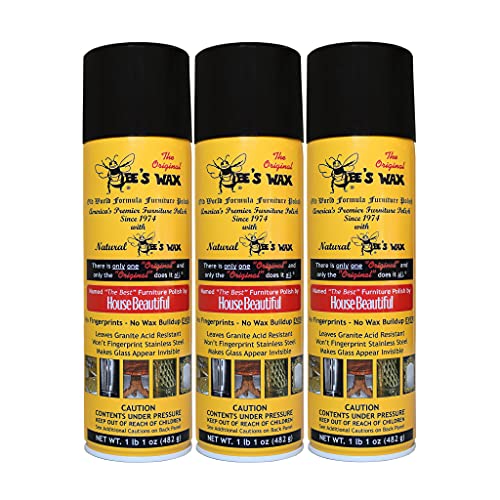
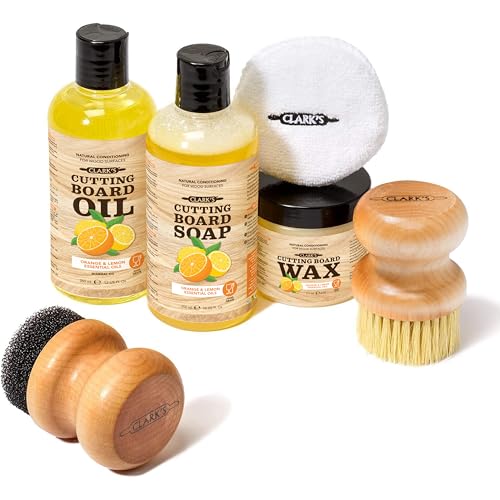
Apply the substance in circular motions with a clean, soft rag or applicator. Focusing on one section at a time ensures sufficient coverage and prevents drying before buffing. After application, wait for approximately 15 to 30 minutes to allow it to penetrate the material.
Finally, buff the treated area with a separate cloth to bring out the sheen. This step also removes any excess that hasn’t absorbed, resulting in a polished look. Regular maintenance can keep the surface in top condition, enhancing its durability and appearance over time.
Choosing the Right Bees Wax for Your Furniture
For optimal results, I recommend selecting all-natural, food-grade formulations. These options assure safety and performance, especially on surfaces that may come into contact with food or drink.
Check the consistency of the product; a softer formula tends to spread more easily, while a firmer option offers increased durability. If your goal is to enhance shine and protect against moisture, look for a blend that contains a high percentage of natural oils.
It’s beneficial to verify that the product is free from synthetic additives and harmful chemicals. Such components can jeopardize the integrity of the wood and undermine the protective qualities.
Reading reviews from users can provide insight into how various products perform over time; look for feedback related to ease of application and longevity of the finish.
Additionally, consider the scent; some formulations may carry a strong aroma, which can be a concern in closed spaces. Opt for neutral or pleasant fragrances if that is relevant to your setting.
Preparing Your Furniture for Bees Wax Application
Thoroughly clean the surface first. I recommend using a damp cloth to remove dust and grime. Make sure the fabric or wood is completely dry before proceeding. Check for any existing damage or imperfections, such as scratches or dents, which should be fixed prior to application.
If there are old products or residues present, use a gentle cleaner or mineral spirits to eliminate them. Always test any cleaner on a small, inconspicuous area to ensure it doesn’t negatively impact the appearance of the piece.
Lightly sand the area if needed, especially on natural wood. This step helps create a smooth surface and allows the treatment to adhere more effectively. Use a fine-grit sandpaper and sand in the direction of the grain.
After sanding, wipe the surface again with a damp cloth to remove any dust particles created during this process. Allow it to dry completely to ensure proper adherence of the substance.
Finally, make sure to work in a well-ventilated area to minimize any strong odors or fumes that may arise during the application. A clean and prepared surface guarantees better results and longevity for your piece.
Tools You Need for Applying Bees Wax
I recommend gathering essential tools to achieve a polished appearance. Here’s what you should have on hand:
Required Tools
| Tool | Purpose |
|---|---|
| Soft Cloths | For application and buffing; ensure they’re lint-free to prevent residue. |
| Natural Brushes | Ideal for covering intricate areas and achieving a smooth finish. |
| Putty Knife or Spatula | Helpful for transferring product from container to applicator without waste. |
| Fine Sandpaper | Useful for surface preparation; choose a grit suitable for your material. |
| Rubber Gloves | Protect skin while applying the mixture; ensures cleanliness. |
Optional Tools
While not mandatory, some additional items can enhance the process:
- Drop Cloth: Protects surrounding surfaces from drips or spills.
- Masking Tape: Keeps areas you don’t want to coat clean.
- Work Apron: Keeps clothes safeguarded from accidental splatters.
Assembling these tools will enable a seamless application process, ensuring stunning results on your projects.
Applying Natural Substance Evenly on Wood Surfaces
For an even application, I prefer using a soft, lint-free cloth or a foam applicator. The key is to take a small amount of the product and warm it slightly in your hands before spreading. This softens the substance, making it easier to apply.
I begin at one end of the surface and work in small sections. Circular motions help distribute the product uniformly. It’s important not to overload the cloth; a little goes a long way. If I notice excess buildup, I wipe it away immediately with a clean part of the cloth.
During the process, I keep an eye out for any missed spots and address them before the substance dries. Once the application is complete, I let it sit for a few minutes to allow absorption into the wood.
For a final touch, I buff the surface with a clean, dry cloth to achieve a smooth, polished finish. Regular maintenance using this method enhances the beauty and longevity of the wood surface.
Techniques for Buffing Bees Wax to a Shine
For achieving a brilliant gloss on your surfaces, start by waiting a few hours after applying the natural coating to allow proper setting. This ensures the protective layer adheres well and provides a base for polishing.
Materials Needed
- Soft cotton cloths
- Buffing pad (optional)
- Light mineral oil (for stubborn spots)
Buffing Steps
- Take a clean, soft cotton cloth and fold it into a small square. This provides a good grip for effective buffing.
- Begin buffing with circular motions, applying light pressure. This technique helps to evenly distribute the coating while bringing out the shine.
- Continue buffing until the surface feels smooth and reflects light. Frequent checks will help you gauge your progress.
- If areas appear dull, lightly apply a bit of mineral oil to your cloth and target those spots with a few extra buffing cycles.
For a high-gloss finish, consider using a buffing pad attached to a drill on low speed. This approach covers larger areas more efficiently while maintaining the desired shine.
Lastly, after achieving the desired look, ensure to regularly maintain the shine with light buffing sessions, preventing the need for extensive reapplication in the future.
Frequency of Reapplication
I recommend reapplying every six months to maintain a protective layer and enhance the luster of your wooden items. For pieces that receive heavy use, like dining tables or desktops, consider revisiting the application every three months. Regular assessment of the surface shine can also guide when to refresh the coating.
For items in high-traffic areas or exposed to moisture, a quarterly schedule ensures optimal protection. Conversely, items kept in low-exposure environments may stretch to once a year. Observing the surface’s texture and shine will be your best indicators. If it begins to look dull or feels rough, it’s time to refresh.
Always keep an eye on how your specific pieces react to environmental factors–humidity, sunlight, and temperature can greatly influence the longevity of the applied solution. Tailor your reapplication schedule based on these conditions and personal usage patterns.
Identifying and Fixing Common Issues with Bees Wax
If surfaces start to feel sticky after application, it usually means too much product was applied. Wipe down the affected areas with a clean cloth soaked in mineral spirits to remove the excess. Afterward, let it dry and reapply in thinner layers.
Dull Finish
A dull appearance can arise from insufficient buffing or old layers of product not properly removed. To enhance shine, buff the surface with a soft cloth briskly. If that fails, consider stripping the old layers with a gentle solvent and reapplying.
Uneven Application
- If the surface appears blotchy, it may be due to inconsistent application. Ensure an even layer by using a circular motion while applying.
- After initial application, wait for the product to dry completely before buffing. This helps to ensure an even sheen.
Cracks or scratches might become more visible after treatment. In this case, fill the imperfections with a suitable wood filler before reapplying. Match the filler with the wood color for a seamless look.
Yellowing Over Time
Natural products can yellow as they age. Regular maintenance can help mitigate this. Use a UV-protective finish on top of the applied layer to minimize discoloration.
- For extreme yellowing, stripping the surface and starting fresh will yield the best results.
- Consider reapplying a new layer after proper cleaning to improve overall appearance.
Using Bees Wax to Repair Scratches and Scuffs
To effectively mend scratches and scuffs, I first assess the severity of the damage. For light abrasions, I apply a small amount of softened substance directly onto the affected area using a clean microfiber cloth. It’s crucial to rub gently in a circular motion, ensuring the compound penetrates the wood grain and fills in the imperfections.
For deeper scratches, I may need to repeat the application a couple of times, allowing each layer to set before adding more. This gradual approach helps in achieving a smoother finish. Once the surface appears even, I let it cure for a brief period–generally, around 15 to 30 minutes–before buffing.
Buffing is essential for restoring the original shine and blending the repaired areas with the surrounding finish. I take a soft cloth and work it over the area, applying light pressure to create friction, which enhances the luster. The goal is to ensure that the repair becomes almost indistinguishable from the rest of the surface.
This method not only conceals flaws but also nourishes the wood, enhancing its durability. Regular maintenance with this technique keeps my pieces looking pristine and extends their life significantly.
Storing and Maintaining Remaining Bees Wax
To preserve excess material after application, store it in a cool, dry place. A tightly sealed container or jar prevents contamination and oxidation. Avoid exposure to direct sunlight or excessive heat, as this can alter the texture and effectiveness.
Before sealing the container, make sure any application tools are clean and dry to avoid introducing moisture. If leftover material has a hard texture, gently warm it until pliable, but avoid overheating. This keeps it ready for future projects.
Periodic Quality Checks
Every few months, check the stored product for any signs of deterioration such as discoloration or an unusual odor. If any issues arise, it might be best to discard it. Additionally, make note of the last usage date to maintain awareness of the product’s shelf life.
Recycling Old Products
Unwanted or old supply can often be repurposed. Consider mixing it with new products to create a unique blend or using it in less visible areas, such as hidden drawers or backs of shelves. This not only saves material but also minimizes waste.