Caleb Turner
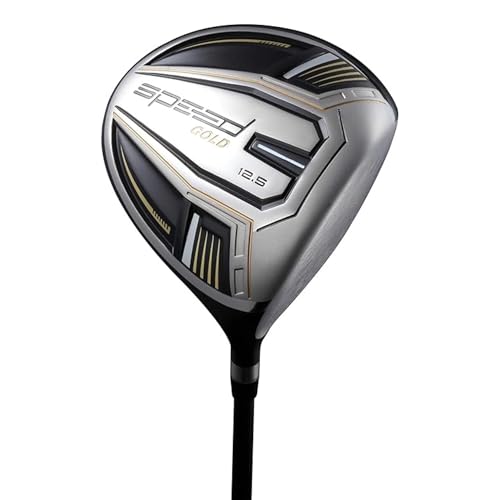
To enhance your swing mechanics and achieve desired shot trajectories, focus on experimenting with the angle adjustment feature. It allows for fine-tuning the face loft, directly influencing launch angles and spin rates. Start by determining your average swing speed and desired ball flight pattern.
For lower launch angles, a reduced face angle typically leads to a more penetrating trajectory. If you seek higher shots with more carry, increasing the loft can provide the necessary lift. Regular practice sessions with these adjustments will help identify the optimal settings for your style.
In addition to angle changes, pay close attention to shaft flexibility and weight distribution. A tailored shaft can complement the loft characteristics and create a more harmonious feel during your swing. Keep a journal of your adjustments and results to track improvements and find the perfect combination for your game.


Adjusting the Angle for Optimal Launch
I typically adjust the angle of my clubhead based on the type of shot I want to achieve. For higher trajectories, I increase the loft slightly, which can help the ball rise and carry further. Conversely, for lower shots that penetrate wind better, I decrease the loft. I suggest experimenting with small adjustments and observing the outcomes.
Fine-Tuning for Specific Conditions
Wind conditions heavily influence my club settings. On windy days, I may reduce the loft to keep my shots more stable. On calm days, I might increase the angle to maximize carry distance. Keeping this in mind helps me adapt my strategy according to external factors.
Consistency Through Practice
Frequent practice with adjusted settings ensures that I become comfortable with different angles. I focus on hitting numerous shots at various loft settings to develop a sense of how each angle affects my control and distance. This repetition builds my confidence for on-course performance.
Selecting the Right Loft Angle for Your Swing Style
To match loft angle with your swing, assess your style and shot goals. Players with a steep swing benefit from higher angles, while those with a flatter swing may find lower angles more effective.
Swing Profile Analysis
Understanding your swing profile is key. Analyze your shot pattern–if you hit the ball low and need added height, consider increasing the loft. Conversely, if your shots rise excessively, a lower angle could stabilize your flight.
Adjustable Settings for Precision
Experimenting with adjustments allows fine-tuning of loft angles. Many models offer a range from 8 to 12 degrees. Start with half-degree changes and monitor how your trajectory and distance are affected. Keep a record of your findings for optimal settings.
| Swing Type | Recommended Loft Angle | Impact on Ball Flight |
|---|---|---|
| Steep | 10-12 degrees | Higher launch, softer landing |
| Flat | 8-10 degrees | Lower launch, longer roll |
| Neutral | 9-11 degrees | Balanced trajectory |
Test different angles on the range, noting performance in varied conditions to ensure your chosen settings align with diverse course scenarios. Focus on consistency across your rounds to maximize performance and scoring potential.
Understanding the Impact of Loft on Ball Flight
The angle of the clubface significantly influences the trajectory and distance of the shot. A higher angle generally results in a steeper ascent, allowing the ball to gain altitude quickly. Conversely, a lower angle tends to promote a flatter shot, producing a lower flight path.
Ball Trajectory and Distance
The relationship between the angle and ball flight can be broken down into specific outcomes:
| Angle Range | Flight Path | Typical Distance |
|---|---|---|
| 8-10° | Flat | Longer rolls on the ground |
| 10-12° | Mid | Balanced distance with moderate ascent |
| 12-14° | High | Ascending quickly with potential for carry |
Factors Influencing Flight Characteristics
Elevating the angle elevates the ball’s launch, which is especially beneficial for players needing extra height for obstacles. Swing speed is a crucial factor; a faster swing often warrants a flatter trajectory to maintain distance. Conversely, slower swings benefit from higher angles to achieve optimal height and carry.
Wind conditions also play a role; a lower angle may help counteract strong winds, while a higher setting can be advantageous in calm weather, allowing the ball to stay airborne longer.
Adjusting Settings for Different Course Conditions
To enhance performance in varying environments, modifying the angle of your club face can significantly affect your game. Here are tailored adjustments based on specific course conditions:
1. Firm Fairways
On hard, dry terrain, lower the angle slightly. This adjustment helps the ball penetrate through the air, reducing the risk of excessive lift and ensuring more distance. Aim to:
- Set the angle 1-2 degrees lower than your standard setting.
- Focus on a flatter trajectory to manage rollout on the green.
2. Wet or Soft Conditions
In soggy conditions, increase the angle to promote a higher launch. This will help the ball land softly, allowing for better control on approach shots. Consider the following:
- Adjust the angle up by 1-2 degrees to create a higher trajectory.
- Ensure to maintain a stable swing to maximize lift and aid in distance management.
3. Elevated Greens
When approaching raised greens, a higher angle can assist in achieving the necessary height for stopping power. Implement these tips:
- Raise the angle by 2-3 degrees to accommodate the elevation.
- Experiment with a follow-through that emphasizes a balanced finish to enhance control.
4. Windy Conditions
In strong winds, consider lowering the angle to minimize the ball’s vulnerability to gusts. Strategies include:
- Reduce the angle by 1 degree to keep the ball lower and more stable.
- Adjust your stance to enhance control and reduce lateral movement.
Adjusting settings according to course conditions can lead to improved shot execution and overall performance. Don’t hesitate to experiment with these recommendations to find what best suits your game in different situations.
Fine-tuning angle for maximizing distance and accuracy
I recommend starting with small adjustments to find the perfect angle for your swing. For example, if you tend to hit the ball high, lowering the angle by a degree or two can help achieve a more penetrating trajectory. Conversely, if you’re struggling with height, increasing the angle may provide the additional lift needed for optimal carry.
Assessing Swing Mechanics
Analyzing your swing mechanics is critical. Pay attention to your attack angle and face angle at impact. If your attack angle is negative, a higher setting can encourage a better launch. A neutral or positive angle often benefits from a lower setting, enabling a more controlled ball flight and maximizing distance.
Testing on the Range
Utilizing a launch monitor at the practice facility offers precise feedback on adjustments. Aim for a balanced ball speed and spin rate. Ideally, a lower spin rate is desirable for additional distance, while a higher launch angle will enhance carry. Keep tweaking until you find the sweet spot that balances these aspects effectively.
Using Launch Monitors to Evaluate Loft Adjustments
To gain precise insights into my adjustments, I utilize launch monitors, which provide immediate feedback on ball trajectory, speed, and angle. These tools give detailed data, allowing me to assess the effects of changing settings on my club’s specifications.
First, I conduct a series of swings with a baseline setup to establish a reference point. After recording the data, I adjust the angle of the club’s face and make another set of swings. This direct comparison highlights how alterations influence distance, height, and dispersion patterns.
Pay close attention to the launch angle and spin rate metrics. A lower angle might indicate excessive loft, while a higher angle could suggest insufficient tilt. By analyzing these figures, I fine-tune my preferences based on my swing characteristics.
Data from launch monitors also helps me experiment under various conditions, so I can simulate different course scenarios. For instance, when adjusting for wind, I can modify the settings to see how it affects my performance on simulated holes before executing my shots on the course.
Additionally, observing the shaft performance in conjunction with launch metrics unveils how shaft flex and length interact with adjustments. Some measurements might indicate that a stiffer shaft combined with a certain face angle yields optimal results for my swing.
Finally, I ensure consistent ball specifications during testing to eliminate variables. This consistency guarantees that any observed changes stem directly from my loft adjustments. By actively engaging with the analytics provided by launch monitors, I refine my approach and enhance my overall game on the greens.
Common mistakes when setting loft on drivers
One key mistake is overlooking personal swing characteristics. Not tailoring the angle to my unique swing can lead to suboptimal performance. Each golfer’s swing speed and angle of attack influence the trajectory and distance of the shot; ignoring these can result in lost distance or erratic ball flight.
Another frequent error is making drastic adjustments too quickly. Incremental changes often yield better results, allowing me to observe the effects of small alterations without compromising overall performance. Shifting the angle significantly can disrupt timing and consistency.
Ignoring Course Conditions
Focusing solely on personal preference without considering environmental conditions is a common pitfall. Adjusting the face inclination based on wind direction or altitude can enhance my performance. For instance, a headwind might require a higher angle to achieve the desired trajectory, whereas a tailwind can allow for a lower setting.
Failing to Utilize Technology
Not leveraging technology like launch screens or swing analysis tools can hinder progress. These devices provide crucial data that informs optimal angle settings based on spin rate, launch angle, and carry distance. Utilizing this information can drastically improve decision-making regarding adjustments.
Lastly, neglecting to test the changes on the course can result in missed opportunities for improvement. Testing modifications during practice rounds helps me understand how alterations affect real gameplay. Regularly revisiting my settings ensures I’m always aligning with my evolving game and external factors.
When to Revert to Factory Settings
Returning to the original specifications can be beneficial under specific circumstances:
Consistency in Performance
- Experience inconsistent ball flight patterns despite adjustments.
- Play on various courses and feel that original settings suit multiple conditions best.
Decreased Distance or Accuracy
- If distance significantly drops after adjustments, it may indicate a need to reset.
- Difficulty maintaining accuracy suggests that experimenting with settings might have led to unfavorable outcomes.
Evaluate your game after significant practice or gameplay sessions. If performance doesn’t improve, consider reverting for a fresh start. This approach allows for a better understanding of your equipment’s base performance.
Difficulty in Assessing Adjustments
- Lose track of which adjustments were helpful or harmful.
- Uncertainty about the effects of recent tweaks can often lead me back to baseline specs.
Resetting helps eliminate confusion and refocuses my strategy, allowing me to approach the game with clarity.
Changes in Swing Mechanics
- Adapting my swing technique significantly after instruction or self-discovery.
- Seeking a clean slate to realign specifications based on new mechanics.
Returning to original settings can facilitate a smoother transition as I fine-tune my approach toward these adjustments.
Maintenance Tips for Adjustable Loft Mechanisms
Regularly inspect the adjustment mechanism for any signs of wear or damage. Keep it clean and free from dirt to prevent jamming.
Use a soft cloth and a gentle cleaning solution to wipe down the exterior and moving parts. Avoid harsh chemicals that can damage the materials.
Periodically check the tightness of screws and bolts that secure the mechanism. Make sure they are not loose but avoid over-tightening.
Store the club in a protective cover to prevent accidental adjustments during transportation. Ensure the adjustment settings remain intact when not in use.
Keep an eye on the performance consistency; if you notice significant changes in ball flight, it may indicate an issue with the adjustment system.
Use a torque wrench if the manufacturer specifies a particular torque setting for screws. This ensures the mechanism functions properly without over-stressing components.
Schedule a professional inspection annually, especially if the equipment is heavily used. A technician can identify potential issues before they become problematic.
Take notes on performance related to different settings. This tracking can help to identify patterns that may indicate adjustments are required more frequently.
Finally, familiarize yourself with the manufacturer’s guidelines regarding adjustments and maintenance, ensuring the longevity of the equipment.
Comparing adjustable loft drivers from different brands
In my experience, matching adjustable face angles to swing mechanics plays a significant role in performance. For example, brands like Titleist and Callaway have made advancements in alternative settings, enabling fine-tuning for varying conditions on the course. The ease of adjustment across different lines, like the Callaway Epic Flash and Titleist TS series, shows how critical design can be for achieving desired ball flight.
From my observations, TaylorMade’s M series allows for simple tweaks, providing clear indications on the club’s impact on launch angle and spin. This model cleverly integrates a sliding weight system alongside its adjustable features, which can yield dramatic results for distance and control.
On the other hand, Ping’s G410 offers a more straightforward approach, issuing distinct markers for loft changes. This simplicity makes it user-friendly for many golfers. I found that its unique spin and launch characteristics help accommodate players with different swing speeds and angles.
When comparing these brands, it’s noticeable that some models prioritize ease of adjustment, while others focus on a broader range of specifications. This distinction matters because it can dictate how effectively adjustments translate into real-time performance through adjustments over time.
Trying the clubs on the range or during short game practice helps me grasp their true potential. I recommend paying attention to feedback from each adjustment, as one company might deliver a softer feel whereas another could give a more pronounced response during impact.
Ultimately, assessing various options depends on personal factors, such as frequency of use and preference for particular brands’ engineering approaches. The nuances in design and function across different manufacturers can greatly influence both consistency and results, tailoring the experience to fit one’s unique playing style.
FAQ:
What are adjustable loft drivers and how do they work?
Adjustable loft drivers are golf clubs designed with the ability to modify the loft angle of the clubface. This allows golfers to customize the launch angle and trajectory of the ball. The mechanism typically involves a movable weight or a sliding scale on the club head, enabling players to increase or decrease the loft according to their preferences or playing conditions. By altering the loft, players can achieve different ball flights, which can help in optimizing distance and accuracy off the tee.
Why would a golfer want to use an adjustable loft driver?
Using an adjustable loft driver offers golfers greater versatility and adaptability to various course conditions and swing characteristics. For instance, players might choose a higher loft to increase launch angle in windy conditions or a lower loft for a flatter trajectory when trying to navigate around obstacles. This customization helps to maximize performance on the course and can lead to better overall scores. Additionally, golfers may find that they can better match the driver’s specifications with their unique swing style.
How can I adjust the loft on my driver correctly?
To adjust the loft on your driver, start by referring to the manufacturer’s manual for specific instructions relevant to your model. Generally, you will need a torque wrench provided with the driver to loosen the screws that secure the loft settings. After loosening, you can rotate the club head to the desired loft position as indicated on the club. Once you have set it, retighten the screws to ensure stability. It’s important to check your adjustments on a launch monitor if possible, to see how the changes affect your performance.
Can using an adjustable loft driver help with slice problems?
Yes, an adjustable loft driver can assist in managing slice issues. By decreasing the loft of the driver, some golfers can create a more neutral ball flight, which helps counteract the tendency to slice. Moreover, some drivers allow for adjustments in the lie angle or face angle, enabling further customization to address specific swing flaws. However, it’s also advisable to work on swing mechanics, as equipment adjustments alone may not solve underlying issues.
Are there any drawbacks to using an adjustable loft driver?
While adjustable loft drivers provide flexibility, there are some drawbacks. One concern is the potential for inconsistency in settings, especially if adjustments are made frequently. Golfers may find themselves occasionally forgetting their preferred settings or failing to optimize the driver for specific conditions. Additionally, the complexity of adjustable features can be overwhelming for beginners, making it essential for players to invest time in learning how to use the adjustments properly for best results.