
 Caleb Turner

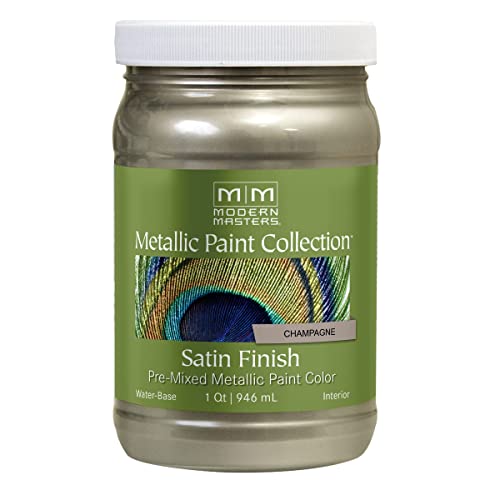
Begin with a fresh coat of paint to instantly modernize an outdated piece. Choose matte or satin finishes in trending colors like muted pastels or deep jewel tones, which can breathe new life into tired surfaces. For a more unique effect, consider using two colors or a bold accent on drawer fronts or trim.
Replacing hardware is a simple yet powerful upgrade. Swap out traditional drawer pulls for sleek, modern options in brass, black, or even ceramic. This small change not only enhances the visual appeal but also aligns vintage designs with contemporary aesthetics.


Incorporating new upholstery can dramatically transform an item. Select fabrics like velvet or linen in current patterns, such as geometric or abstract designs, to create striking contrasts against classic shapes. Pairing vintage frames with modern textiles provides a stylish juxtaposition that feels fresh and intentional.
Don’t overlook the power of accessorizing. Adding contemporary elements, such as chic lamps or colorful art pieces, can effortlessly bridge the gap between the past and the present within your space. Consider creating a focal point by arranging your revamped items with other modern accents, establishing a cohesive yet eclectic design narrative.
Transforming Vintage Pieces into Chic Accessories
Consider adding a fresh coat of paint to rejuvenate a tired surface. Opt for bold colors or trendy pastels that align with current design trends. Choose high-quality chalk or spray paint for a smooth finish.
Updating Hardware
Replacing outdated knobs and handles can dramatically change the look. Select hardware in contemporary metals like matte black, brushed brass, or glass to enhance the aesthetic appeal. Verify that the new fixtures are compatible for easy installation.
Finishing Touches
- Introduce modern upholstery. Replacing old fabric with trendy prints or textures can refresh any item. Explore options like velvet, leather, or abstract patterns.
- Add decorative elements. Decorative trays, books, or greenery can create an inviting appearance. Choose accessories that complement the revamped style.
- Incorporate lighting. Consider adding stylish lamps or fairy lights to create ambiance and highlight the piece.
Timing matters–these updates can breathe life into neglected items, allowing them to become centerpieces in contemporary settings.
Selecting the Right Furniture for Transformation
I prioritize items with solid construction and timeless lines, ensuring they can withstand modifications. Look for pieces made of hardwood like oak or walnut, as they are durable and lend themselves well to refinishing or repainting. Avoid items made of particle board or flimsy materials, as they may not hold up during the renovation process.
Assess Style Potential
I always consider the design aesthetic of the piece. Furniture that possesses clean silhouettes or distinctive features, such as vintage hardware or unique legs, can be upgraded easily. Pieces with overly ornate details might require more effort to modernize and may not blend well with contemporary styles.
Size and Scale
I pay close attention to dimensions and proportions. Selecting smaller items can offer flexibility in various spaces, while larger pieces like buffets or armoires can make a statement with the right adjustments. I recommend measuring available space before committing, ensuring the transformed piece fits harmoniously within the intended area.
Assessing the Condition and Quality of Vintage Pieces
Examine the structure for stability and integrity. I always check joints, legs, and surfaces for signs of wear or damage. A sturdy frame is essential for a successful makeover.
Inspect for any visible flaws, such as scratches, dents, or warped surfaces. Noticing these details early helps determine the extent of the refinishing required.
Look for wood quality. Solid wood is preferable over particleboard or veneer, as it can withstand refinishing and last longer. Try scratching the surface gently; a solid piece will usually show less damage than a composite material.
Evaluate the finish. Paint, varnish, or lacquer can dictate the approach needed for transformation. If the original finish is intact and aesthetically pleasing, it may only require cleaning rather than complete removal.
Search for evidence of previous repairs. While some marks can add character, extensive or poorly executed fixes can complicate the renovation process.
Consider the age of the item. Antique pieces may possess unique craftsmanship that can enhance the final aesthetic. Researching the year of manufacture can provide insight into its historical value and affect the project’s approach.
Finally, assess potential for customization. Visualizing how a piece can be integrated into a modern context helps determine what changes should be prioritized for the best outcome.
Choosing a Modern Color Palette for Your Furniture
Selecting the right color palette can elevate the aesthetic of any piece dramatically. I recommend starting with a well-defined scheme that complements your interior style and personal taste.
Identify Your Preferred Style
Before choosing colors, consider the overall aesthetic you wish to achieve:
- Minimalist: Opt for neutral tones such as whites, beiges, and soft greys.
- Industrial: Deep charcoals, blacks, and rustic browns work well.
- Bohemian: Incorporate vibrant hues like teal, mustard yellow, and rich maroon.
- Scandinavian: Soft pastels combined with warm wood tones create a cozy atmosphere.
Utilizing Color Theory
Understanding basic color theory can guide your choices:
- Complementary Colors: Pair opposites on the color wheel for dynamic looks (e.g., blue and orange).
- Analogous Colors: Use colors next to each other for a harmonious feel (e.g., blue, blue-green, and green).
- Monochromatic Schemes: Choose different shades of a single color for a cohesive appearance.
Testing samples on smaller areas of the furniture can help visualize the final effect before committing. This step is crucial to ensure the chosen palette aligns well with your interior space and lighting.
Using a modern color palette can not only refresh the piece but also redefine its presence in the room. Prioritize shades that evoke the desired mood and fit seamlessly with your decor.
DIY Techniques for Refinishing Wood Surfaces
For rejuvenating wood surfaces, follow these steps for optimal results:
- Gather Materials:
- Sanding block or electric sander
- Fine and medium-grit sandpaper
- Wood conditioner
- Stain or paint of your choice
- Topcoat (polyurethane or varnish)
- Lint-free cloths
- Brushes or foam applicators
- Preparation:
Clean the surface thoroughly to remove dust and grease. Ensure the area is well-ventilated.
- Sanding:
Begin with medium-grit sandpaper to smooth the original finish and remove imperfections. Progress to fine-grit sandpaper for a smooth surface. Always sand in the direction of the grain.
- Conditioning Wood:
Apply a wood conditioner to enhance stain absorption and ensure an even finish. Allow it to dry according to the manufacturer’s instructions.
- Staining or Painting:
Using a brush or cloth, apply stain or paint evenly. Be mindful of drips and streaks. For a richer color, apply multiple coats, allowing each one to dry adequately between applications.
- Topcoat Application:
Once the stain or paint has dried, apply a protective topcoat. A brush is ideal for a smooth finish. Always sand lightly between coats for better adhesion.
- Final Touches:
Inspect the surface for imperfections. If necessary, lightly sand and reapply topcoat. Let it cure for several days before using the piece.
By following these techniques, not only do I enhance the aesthetic appeal of the wood, but I also ensure durability and protection for years to come.
Incorporating Modern Hardware and Accessories
Switching out knobs and handles makes a striking difference. I recommend choosing minimalist designs in matte black or brushed metal for a contemporary look. Look for hardware with clean lines that complement the piece’s shape.
Adding functional accessories can enhance both style and usability. For instance, consider installing a sleek, modern shelving system or updating hinges to soft-close types for convenience and elegance.
Lighting plays a significant role too. Adding LED strip lights inside cabinets or beneath surfaces creates an inviting ambiance. A pendant light above a repurposed table can serve as a bold statement piece.
Textiles can modernize seating items. Incorporate geometric patterns or solid colors through new cushions and throws. Opt for performance fabrics that resist stains and wear while providing a fresh visual appeal.
Finally, create contrast with unexpected elements. Incorporate glass accents or mix textures, such as pairing a polished surface with distressed wood. This juxtaposition can refresh the entire aesthetic, giving classic pieces a renewed sense of purpose.
Reupholstering: Selecting Fabrics that Pop
To create a striking aesthetic, I prioritize choosing fabrics that not only resonate with current trends but also highlight the essence of the piece. For upholstery, consider materials like velvet, which adds a luxurious texture, or bold patterns such as geometric prints that serve as eye-catching focal points.
Fabrics to Consider
| Fabric Type | Attributes | Best Use |
|---|---|---|
| Velvet | Soft, luxurious | Sofas and chairs |
| Linen | Breathable, natural | Light-use items |
| Canvas | Durable, easy to clean | Heavy-use items, outdoor |
| Microfiber | Stain-resistant | Family-friendly settings |
| Jacquard | Textured, patterned | Statement pieces |
Choosing Color and Pattern
Opt for bold colors to energize a space. Jewel tones like emerald green and deep blue can elevate a classic chair into a stunning accent. Additionally, large prints or abstract designs can modernize a vintage piece and provide visual intrigue.
Textures also play a significant role; mixing different fabric types can create depth and dimension, making the piece stand out even more. Experimenting with contrasting hues or layering can result in a unique, personalized look. Remember, the right fabric not only enhances aesthetic appeal but also ensures comfort and durability, resulting in an inviting atmosphere in any room.
Adding Functional Upgrades to Vintage Furniture
I recommend integrating new storage solutions like hidden compartments or drawers to enhance usability. For instance, transforming a small side table into a multi-functional piece can involve adding a pull-out shelf for extra space or incorporating a concealed drawer for organization.
Consider retrofitting lighting features into a desk or a dresser. Installing integrated LED strips can illuminate surfaces without detracting from the piece’s original charm. This not only adds practicality but also gives a contemporary feel.
Replacing outdated legs on a chair or table with sleek, minimalist options can instantly modernize the silhouette. Opting for hairpin or tapered legs will elevate the design while maintaining stability.
Another enhancement is adding electronics like charging ports or wireless chargers within tabletops or cabinets. This upgrade appeals to tech-savvy individuals, making the item more appealing and practical for daily use.
Implementing modular components can also be beneficial. For example, a vintage bookshelf can feature adjustable shelves or a sliding design, allowing for customization based on personal needs or space constraints.
Lastly, think about incorporating multifunctional elements like foldable surfaces. A drop-leaf table can serve as both an everyday dining spot and an expandable space for guests, merging classic style with contemporary convenience.
Showcasing Your Transformed Pieces in Modern Spaces
To effectively present your revamped items, create balance by integrating them with contemporary décor elements. Position pieces in well-lit areas that attract attention and complement surrounding colors and textures. For instance, an updated chair can serve as a striking accent in a minimalistic room.
Arranging for Impact
When deciding on placement, consider the flow of the space. Place larger transformed items as focal points against neutral backdrops. This strategy allows intricate detailing to stand out. Pair these pieces with sleek furniture that maintains a cohesive aesthetic. A modern lamp or a geometric rug can enhance the overall vibe, creating harmony.
Highlighting Unique Features
Spotlight distinctive characteristics of your renovated items. Use well-placed lighting or decorative items to emphasize craftsmanship and textures. For example, a subtly reupholstered chair can be accentuated with a vibrant throw pillow, drawing attention to its new look while ensuring it fits seamlessly into its environment.
| Placement Strategy | Description |
|---|---|
| Focal Point | Utilize a larger piece as the centerpiece in a neutral area. |
| Complementary Decor | Incorporate modern accessories to unify style. |
| Layering | Mix textures and colors for visual interest. |
| Lighting | Position light to enhance features and dimensions. |
Finally, enjoy showcasing your redesigned treasures among contemporary surroundings, where they can truly shine while contributing to a stylish and inviting atmosphere.


