
 Caleb Turner

To successfully rejuvenate a wooden piece, selecting the right approach is crucial. Begin by gathering necessary materials: non-toxic paint remover, a scraper, fine-grit sandpaper, and protective gear. This ensures a safer and cleaner restoration process.
Before starting, thoroughly test the remover on a small, inconspicuous area to check compatibility with the finish. Once you confirm that it works, apply a generous layer of the remover, allowing it to sit for the recommended time to effectively dissolve the existing layers. Once softened, gently scrape away the loosened finish, taking care not to damage the wood underneath.
After removing the bulk of the finish, use fine-grit sandpaper to smooth out any rough patches. Sand along the grain to prevent scratches and ensure an even surface. Once accomplished, vacuum the dust and wipe down with a damp cloth to prepare the surface for refinishing or staining.
Restoring Wooden Pieces
Use a high-quality paint remover specifically designed for hardwood surfaces. Apply it generously with a brush, ensuring even coverage. Let it sit for the time indicated on the product instructions, typically 15 to 30 minutes, to allow it to penetrate the old finish.
Removing Residue
Once the duration is complete, take a putty knife or scraper to gently remove the loosened finish. Work with the grain of the wood to avoid damage. Repeat the application process in areas where the finish remains stubborn. Afterward, wipe down the surface with a damp cloth to eliminate any residue from the remover.


Smoothing the Surface
After the old finish is completely off, sand the surface using fine-grit sandpaper (220 grit) to achieve a smooth texture. Sand with the direction of the grain and take care to not oversand, which can cause uneven spots. Dust off the piece thoroughly before proceeding to the next step.
Choosing the Right Stripping Method for Oak
I recommend evaluating three primary methods to remove finishes from this hardwood: chemical strippers, sanding, and heat guns. Each technique has unique advantages that cater to different conditions and personal preferences.
| Method | Advantages | Considerations |
|---|---|---|
| Chemical Strippers | Effective in removing thick layers, minimal labor required, safe for intricate designs. | Use in well-ventilated spaces, wear protective gear, follow manufacturer instructions. |
| Sanding | Good for light finishes or detailed surfaces, allows for precise control, can smooth surface. | Time-consuming, generates dust, may cause damage if overdone. |
| Heat Guns | Quick removal of finish, ideal for flat surfaces, allows for close inspection of wood. | Risk of scorching wood, requires steady hand, protective gear recommended. |
Assess the condition of the piece and the finish type before deciding on a method. For complex carvings or unique antique items, I find that using chemical strippers tends to provide the most thorough results. Conversely, for flat surfaces or routine maintenance, sanding or a heat gun may suffice.
Double-check the product compatibility if using chemical options, and ensure you have proper ventilation and safety equipment. Prioritize protecting the grains to preserve the oak’s natural beauty during the stripping process.
Preparing Your Workspace and Protecting Surroundings
I recommend clearing the area where I will be working. Move any nearby items that could be damaged or contaminated. Lay down a drop cloth or plastic sheeting to protect the floor and nearby surfaces from debris and chemicals.
Ventilation is key; I always open windows and use fans to circulate air and minimize inhaling fumes. If working indoors, consider setting up an exhaust fan where possible to help with air quality.
I equip myself with personal protective gear: gloves, goggles, and a mask. This choice safeguards against harmful substances that might be released during the process.
It’s wise to organize my tools and materials before starting. I keep everything within arm’s reach–brushes, scrapers, solvents, and rags–reducing disruption during the task.
Lastly, I take a minute to review local regulations regarding hazardous materials disposal. Ensuring that I know how to properly dispose of any waste is a responsible step to protect the environment.
Selecting the Best Stripper for Oak Furniture
For this task, I recommend using a solvent-based remover as it effectively penetrates multiple layers of finish without damaging the wood. Water-based options can be less aggressive, but they might struggle with tough coatings like varnish. Always ensure the product is specifically designed for wood surfaces.
- Ingredients Matter: Look for formulations containing methylene chloride or N-Methyl-2-pyrrolidone (NMP). These are potent in breaking down finishes.
- Gel or Liquid: Gels adhere better to vertical surfaces, reducing drips and runs. Liquids can be easier to apply on flat areas but may require multiple applications.
- Environmental and Health Safety: Choose low-VOC (volatile organic compounds) options for indoor usage to minimize toxic exposure. Make sure to wear appropriate protective gear, such as gloves and masks.
- Application Ease: Some products come with convenient applicators or brushes that can help with even coverage, while others may require additional tools.
Before finalizing my choice, I check user reviews and performance ratings of the products. Trying a smaller quantity first allows me to assess its effectiveness on a sample area. Additionally, I ensure that the remover is compatible with any prior finishes used on the piece.
Step-by-Step Guide to Applying the Stripper
I begin by equipping myself with gloves, a mask, and protective eyewear to safeguard against fumes and skin contact. Next, I ensure that the work area is well-ventilated by opening windows and using fans if necessary.
I carefully select a small brush or a paintbrush for application. Using the brush, I apply the chemical agent generously onto the surface, ensuring an even coating. I focus on one section at a time to prevent premature drying.
Once the solution is spread, I set a timer based on the manufacturer’s instructions. Typically, this could range from 15 to 30 minutes. During this period, I monitor the surface for bubbling or peeling, which indicates the material is loosening.
After the waiting period, I take a plastic scraper or a putty knife to gently lift the softened layer away from the wood. It’s important to work with the grain to avoid damage to the underlying structure.
If necessary, I reapply the remover to stubborn areas and repeat the scraping process. For any remaining residue, I utilize a steel wool pad dipped in the solvent to ensure a thorough clean-up.
Once completed, I dispose of the waste material safely, following local regulations. I then wash the surface with warm, soapy water to neutralize any leftover chemicals and rinse with clean water.
Finally, I allow the piece to dry completely before proceeding with any refinishing or staining processes. This method ensures a smooth and clean foundation for the next steps in restoring my wooden acquisition.
Techniques for Removing Old Finish from Oak
The first approach I recommend involves using a chemical solvent, which efficiently softens the existing layer. Apply the solution with a brush, allowing it to dwell for the time specified on the product label. Once the finish has bubbled or lifted, a plastic scraper can gently remove the softened coating without harming the wood underneath.
Another effective technique is heat application. Employ a heat gun at a safe distance to avoid scorching. As the old finish warms, it becomes pliable, enabling me to scrape it away carefully. This method requires constant movement of the heat source to prevent damage.
For those who prefer a less aggressive option, sanding is a classic choice. Starting with coarse grit paper and progressing to finer grits allows for a gradual removal process. It is crucial to work with the grain to achieve a smooth surface and avoid visible scratch marks.
A combination of these methods often yields the best results. I might start with a solvent to handle intricate details and then follow up with sanding for the broader surfaces. Whichever method I choose, safety precautions like protective gear and good ventilation are non-negotiable. Always ensure that the workspace is well-prepared to handle any mess associated with these techniques.
Cleaning and Neutralizing the Wood After Stripping
I recommend using a solution of water and vinegar to clean the surface. Mix one part vinegar with two parts water in a spray bottle. Lightly mist the wood and wipe it down with a soft cloth. This helps to remove any residual chemicals from the stripping process.
To neutralize, prepare a baking soda solution. Mix one tablespoon of baking soda with a quart of water and apply it with a sponge. This will help counteract any remaining caustic elements left from the stripper.
Final Rinse and Drying
After applying the baking soda solution, rinse the wood thoroughly with clean water. Ensure that no soap or vinegar remnants remain. Following this, dry the surface completely by wiping it down with a dry cloth. Allow the piece to air dry for several hours before proceeding to any finishing treatment.
Assessment of the Surface
Inspect the stripped area for any missed spots or imperfections. If necessary, repeat the cleaning and neutralizing steps on these areas. This thorough approach ensures a clean and neutral base for any further treatment.
Finishing Options for Stripped Oak Furniture
For a flawless transformation of your reclaimed wooden pieces, consider the following finishing techniques:
- Oil Finishes: Tung and boiled linseed oils penetrate deeply, enhancing the grain with a rich luster. Apply multiple coats, allowing adequate drying time between applications.
- Varnish: This provides a durable surface. Choose a clear varnish for a natural appearance, or opt for tinted options to enhance color without obscuring the wood’s character.
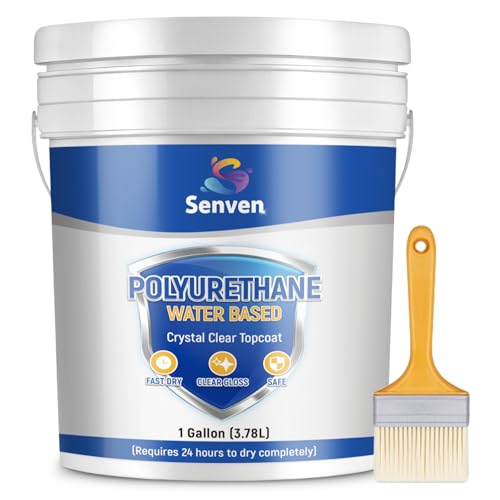
- Polyurethane: Available in water-based or oil-based varieties, it ensures maximum durability and protection against moisture and scratches. It’s ideal for high-traffic items.
- Lacquer: Fast-drying and producing a hard finish, lacquer can be applied with a spray gun for an even coat. It’s suitable for achieving a glossy look.
- Shellac: A natural finish that gives a warm glow and is easy to apply. However, it may not be as durable as synthetic options, making it better for low-use items.
- Stains: If you wish to alter the color, stains can be used before applying a top coat. Water-based stains offer quicker drying times, while oil-based stains provide deeper, richer colors.
Experimenting with different sheens–matte, satin, semi-gloss, or high-gloss–can also enhance the final effect. Always test your chosen finish on a small, inconspicuous area first to ensure the desired look.
Follow the manufacturer’s instructions for each finish regarding drying times, application methods, and the number of necessary coats to achieve optimum results. Maintenance after finishing is also a key to prolonging the life of the protective layer applied.
FAQ:
What materials do I need to strip oak furniture?
To effectively strip oak furniture, you’ll need several key materials. Firstly, a quality paint stripper designed for wood is essential. Look for a gel or liquid form that is easy to apply. You will also need a set of gloves to protect your hands, as well as safety goggles to shield your eyes from potentially harmful chemicals. Make sure to have a putty knife or scraper handy to remove the stripped finish. Lastly, keep some rags or paper towels around for cleanup and a well-ventilated space to work safely.
Can I strip oak furniture without using harsh chemicals?
Yes, it is possible to strip oak furniture using more natural methods. One effective alternative is to use a mixture of vinegar and baking soda, which can help remove some finishes. You might also consider using heat to soften old paint or varnish; a heat gun can be useful for this, but caution is advised to avoid damaging the wood. These methods might take more time and effort compared to chemical strippers, but they are safer for both you and the environment.
How do I apply the paint stripper to my oak furniture?
To apply paint stripper, first ensure that you’re in a well-ventilated area and wearing protective gear. Shake or stir the paint stripper as directed. Using a brush, generously apply a thick layer of the stripper to the surface of the oak furniture, making sure to cover all areas evenly. Allow it to sit for the amount of time specified in the manufacturer’s instructions, typically between 15 minutes to an hour, depending on the product. Once the finish begins to bubble or lift, you can then use a putty knife to scrape it off.
What should I do after I’ve stripped the finish from my oak furniture?
After you’ve stripped the finish, it’s crucial to clean the surface thoroughly. Use a solvent recommended by the paint stripper manufacturer, often denatured alcohol or mineral spirits, to remove any residual stripper. After cleaning, you should inspect the surface for any remaining finish and repeat the stripping process if necessary. Once the wood is completely clean, allow it to dry before proceeding to sand the surface and prepare it for new finishing products, such as stain or paint.
Is it necessary to sand oak furniture after stripping?
Yes, sanding is a necessary step after stripping oak furniture. Even after using a paint stripper, the wood might still have some residual finish or rough patches. Sanding helps to create a smooth surface, which is essential for achieving a good final finish. Start with a coarser sandpaper, such as 80-grit, and gradually move to finer grits like 120 or 220. This process not only smoothens the surface but also opens up the wood grain, allowing any new finishes to adhere better. Make sure to wipe away any dust with a damp cloth after sanding.
What are the main steps involved in stripping oak furniture?
Stripping oak furniture typically involves several key steps. First, gather the necessary materials such as a chemical stripper, gloves, brushes, and rags. Begin by working in a well-ventilated area to ensure safety. Apply the chemical stripper evenly across the surface using a brush, allowing it to sit for the recommended time to loosen the old finish. Once the finish is softened, use a scraper or putty knife to gently remove it, taking care not to damage the wood. Afterward, clean the surface with a solvent to remove any residue from the stripper and then sand the furniture to prepare it for refinishing. Finally, you can apply a new stain or finish to achieve the look you desire. Always follow the manufacturer’s instructions for any products used.
Are there any safety precautions I should take while stripping oak furniture?
Yes, taking safety precautions is very important when stripping oak furniture. First, ensure that the space you are working in is well-ventilated to avoid inhaling fumes from the chemical stripper. It’s advisable to wear protective gear such as gloves, goggles, and a mask to protect your skin, eyes, and respiratory system. Additionally, keep a fire extinguisher nearby, as some strippers can be flammable. Be cautious when using sharp tools for scraping and sanding to prevent accidental injuries. Lastly, read and follow all safety guidelines provided by the manufacturer of the stripping product you choose.


