Caleb Turner
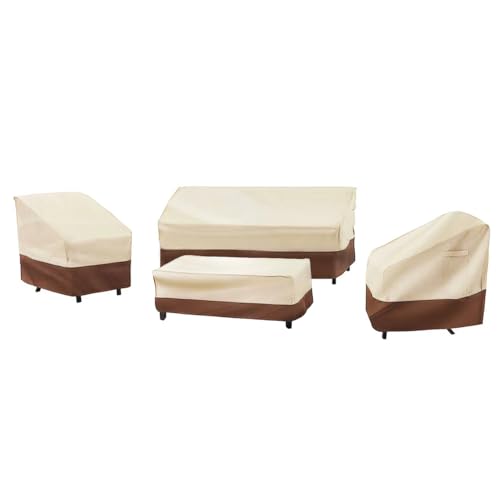
If you’re concerned about keeping your outdoor seating safe, one of the simplest and most effective strategies is to invest in secure storage solutions. Look for options that allow you to store your chairs and tables indoors during the night or when not in use. This not only protects them but also extends their lifespan.
Incorporating heavy-duty chains or cables can serve as a deterrent. Use them to anchor your items to a fixed structure like a railing or a tree. Ensure that the locks are weather-resistant to prevent rusting and damage. This method can significantly reduce the chances of someone taking off with your belongings.
Additionally, consider using furniture made from materials that are less appealing to thieves. Lightweight items may be easy for someone to grab and run, while heavier or bulkier pieces can be more challenging to remove quickly. You might also want to arrange your seating in a way that makes it more difficult for someone to access them easily, adding another layer of protection.


Finally, installing motion-sensor lights can act as a deterrent as well. Bright lighting can discourage potential thieves who prefer to go unnoticed. Coupling this with a camera or alarm system can provide peace of mind and further opacity to your outdoor setting.
Strengthening Protection for Outdoor Items
Utilize heavy-duty locking mechanisms, such as padlocks and chains, to anchor items to immovable structures like railings or posts. Look for high-quality locks made of hardened steel for added resistance against cutting tools.
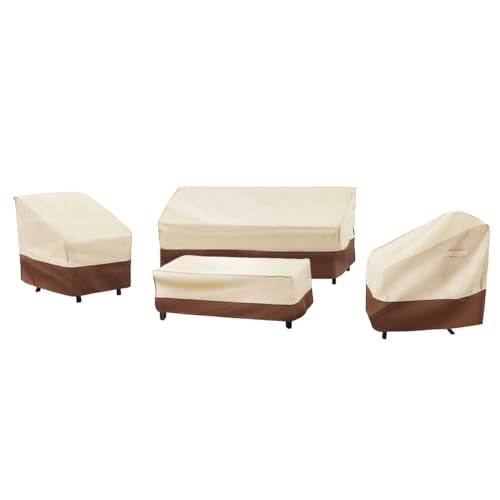
Consider using furniture covers that are not only weather-resistant but also add an extra layer of security. These covers can make it difficult for potential thieves to quickly identify and access your items.
Opt for Weight and Design
Select pieces that are not easily movable. Heavy items deter theft by requiring more effort to carry away. For lighter pieces, think about designs that can be secured together or attached to the ground.
Surveillance and Neighborhood Watch
Install security cameras pointed at your sitting area. Visible cameras can deter criminals while providing evidence if theft occurs. Joining or forming a neighborhood watch can increase awareness and reduce risks in your community.
Assessing Your Porch Furniture for Theft Risks
I recommend conducting a thorough evaluation of your outdoor items to identify vulnerabilities. Begin by analyzing the location of each piece. Items positioned near busy sidewalks or poorly lit areas are more susceptible to being taken.
Identify Material Strength
Examine the material composition of your belongings. Lightweight plastics and aluminum are easier to steal compared to heavier materials like wrought iron or solid teak. Make a list:
- Lightweight materials: consider securing or removing these.
- Heavy and robust materials: retain these items in visible areas.
Check for Mobility
Evaluate how easily each piece can be moved. Items without fixed anchors are prime targets. Take note of:
- Loose chairs or tables that can be lifted without effort.
- Decorative elements that can be quickly grabbed and carried away.
Keep a close watch on the most accessible pieces. Regularly reassess the layout as surroundings may change, potentially increasing exposure to risks. Taking these steps can significantly reduce the likelihood of losing belongings.
Choosing Lockable Furniture Options
Investing in lockable designs provides a straightforward solution to deter unauthorized access. Materials such as metal or heavy-duty plastic are more resistant to force and tampering compared to traditional wood. Look for items that incorporate integrated locking mechanisms or those that allow for external padlocks. This detail is essential in enhancing the item’s resilience against theft.
Key Features to Consider
| Feature | Description |
|---|---|
| Material | Opt for weather-resistant metal or high-impact plastic for durability and security. |
| Integrated Locks | Choose pieces with built-in locks for ease of use and reliability. |
| Padlock Compatibility | Select furniture that can be easily secured with a padlock for added protection. |
| Weight | Heavier items are typically harder to move, making them less attractive to thieves. |
Customizable options offering both aesthetic appeal and security can also be explored. Some manufacturers allow for personalization, which can aid in recognizing ownership. Beyond physical barriers, paired with vigilant monitoring, the combination significantly lowers the likelihood of loss.
Using Anchors and Cables for Security
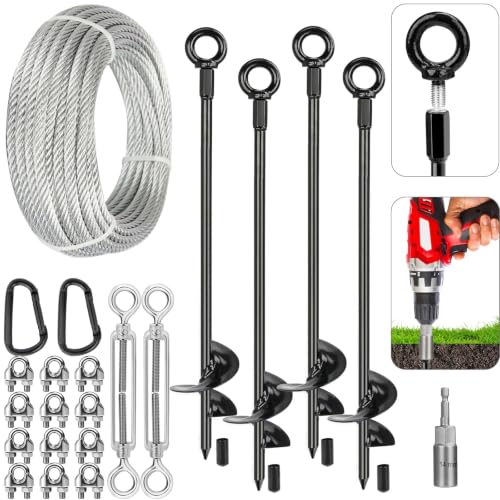
One of the strongest methods to safeguard outdoor seating and tables involves employing durable anchors and cable systems. These prevent unauthorized removal, ensuring peace of mind.
First, I select heavy-duty anchor points that can be securely installed in concrete or wooden surfaces. These anchors should be rust-resistant to withstand the elements. I often choose flush-mounted options, which are less obtrusive and don’t create trip hazards.
Next, I connect the items with high-strength, weather-resistant cables. A cable with a minimum thickness of 3/16 inches provides a solid defense. I prefer using cables made of stainless steel to avoid corrosion and ensure longevity.
When installing, I loop the cable through the furniture features such as chair legs or table bases, then securely attach them to the anchors. I always ensure that the connections are tightly fastened to prevent any slack that could allow for easy removal.
For added protection, I incorporate a lock, such as a bike lock, which can further deter potential thieves. The combination of sturdy cables and reliable locks significantly increases the difficulty for anyone attempting to steal my belongings.
| Component | Recommended Material | Notes |
|---|---|---|
| Anchors | Rust-resistant metal | Install in secure locations like concrete or wooden areas. |
| Cable | Stainless steel | Thickness of 3/16 inches or more is advisable. |
| Lock | High-quality bicycle lock or similar | Enhances the security setup. |
This combination not only adds a significant layer of protection but also keeps my outdoor space looking tidy and organized. By implementing such measures, I can relax knowing my items are well defended against theft.
Implementing Motion Sensors and Cameras
Integrating motion sensors and surveillance cameras drastically enhances the protection of outdoor items. These devices act as proactive deterrents and provide real-time alerts, ensuring quick responses to potential threats.
Choosing the Right Equipment
- Opt for motion sensors with adjustable sensitivity settings to minimize false alarms caused by pets or environmental changes.
- Select cameras equipped with night vision capabilities for monitoring low-light conditions, ensuring visibility even after sunset.
- Consider models with two-way audio, allowing interaction with visitors or potential intruders remotely.
Strategic Placement
Positioning sensors and cameras effectively is key to maximizing their utility:
- Mount cameras at elevated angles to provide a broad view while minimizing blind spots.
- Install motion sensors near entry points and along pathways to detect movement before it reaches the area where items are stored.
- Ensure cameras are protected from weather elements, using waterproof housings if necessary.
Regularly test and maintain all devices to guarantee they operate at peak performance. With a well-planned surveillance system, peace of mind can be achieved.
Utilizing Outdoor Furniture Covers
Investing in quality protective gear for my outdoor seating has proven to be a smart strategy. Tailored covers serve as an effective barrier against weather elements, while also discouraging unauthorized access. It’s crucial to select fitted covers made from durable materials that are both waterproof and UV-resistant, safeguarding against diverse conditions.
Choosing the Right Material
When selecting protective gear, I prioritize heavy-duty fabrics like polyester or vinyl. These choices offer superior resistance to rips and tears. Additionally, breathable materials help prevent mold and mildew buildup, extending the lifespan of what lies beneath. Regularly checking the covers for wear and tear ensures continued protection.
Enhancing Security with Covers
Utilizing elastic hems or drawstrings on covers enhances the fit, making it harder for potential thieves to remove them quickly. Choosing covers with buckle straps can further secure them to the furniture, providing an extra layer of defense. Incorporating vibrant colors or patterns not only enhances aesthetics but also allows for easier visibility, which may deter criminal activity.
Establishing a Neighborhood Watch for Added Security
Collaborating with neighbors to establish a watch program enhances vigilance in our community. Organizing regular meetings fosters communication, allowing us to share concerns and observations about suspicious activities. I recommend designating a point person for reporting incidents, ensuring that information flows smoothly and efficiently.
Implementing a system for sharing alerts, such as a group chat or social media page, enhances real-time communication. By notifying each other of potential risks, we can act preemptively. Encouraging participation in local safety workshops provides us with skills on identifying and deterring criminal behavior.
Creating a visible presence throughout our neighborhood deters would-be thieves. Initiatives like walking patrols or coordinated outdoor gatherings can strengthen community bonds while demonstrating our commitment to safety. Additionally, hosting community events can reduce isolation and foster a sense of responsibility among residents.
Utilizing shared resources, such as motion-sensing lights or security cameras, adds another layer of protection. Pooling funds for neighborhood security systems makes advanced technology accessible, increasing our overall safety. Regularly reviewing the effectiveness of our strategies keeps our approach proactive and adaptive.
Ultimately, a united community is a powerful defense against crime. Establishing a watch helps build trust, encourages accountability, and significantly reduces risks. Together, we can create an environment where everyone feels secure and valued.
Storing Furniture Indoors During Off-Season
To prevent losses during the off-season, I always ensure that my outdoor seating and tables are stored indoors when not in use. I start by choosing a dry, climate-controlled area, such as a garage or shed, to minimize potential damage from humidity and temperature fluctuations.
Preparing for Storage
Before storing, I clean each piece thoroughly to remove dirt, pollen, and moisture. I use a mixture of mild soap and water, followed by a complete drying procedure to avoid mold growth. For items with cushions, I store them separately in breathable bags to prevent mildew. Wrapping delicate pieces in protective blankets ensures they remain in excellent condition.
Utilizing Storage Solutions
I utilize vertical space by stacking chairs and tables when possible. For larger items, I strategically arrange them to maximize the space without causing damage. Additionally, I invest in furniture racks or shelving units to keep smaller accessories organized and off the floor. This approach not only saves room but also helps me maintain easy access to my belongings whenever I need them once warm weather returns.
Creating a Security Inventory of Your Furniture
Catalog every item with serial numbers, descriptions, and photographs. This documentation simplifies the identification process if any item goes missing.
Components of an Effective Inventory
- Photographs: Take clear images from multiple angles. Include distinguishing features.
- Description: Record each piece’s brand, material, color, and any unique identifiers.
- Purchase Receipts: Keep copies of receipts or records to establish ownership and value.
- Location Records: Note where each item is typically stored or placed, making it easier to track changes.
Using Technology for Enhanced Tracking
- Apps: Utilize inventory management applications on your smartphone for easy access and updates.
- Cloud Storage: Store your inventory in a secure, cloud-based service to ensure it is safe and accessible.
- Email Alerts: Set reminders to periodically update your inventory, especially after major purchases or seasonal changes.
Regular updates will keep your inventory current and useful. Establish a routine for reviewing and adding new items to prevent any oversight. By keeping your documentation organized, the recovery process can be much smoother should an unfortunate incident occur.
FAQ:
What are the best ways to secure porch furniture from theft?
Securing porch furniture involves several strategies. First, consider using furniture locks or cables that can attach your items to a fixed object such as a railing or wall. Another option is to store valuable pieces inside when not in use. Additionally, investing in heavier furniture that is less likely to be moved can deter thieves. Using motion-activated lights or security cameras can also serve as a visual deterrent. Lastly, a security alarm system tailored for outdoor use can enhance protection further.
How can I make my outdoor furniture less appealing to thieves?
To make your outdoor furniture less attractive to potential thieves, opt for less expensive or less popular styles that do not stand out. Avoid leaving cushions or decorative items outside, as these can draw attention. You might also want to avoid high-end brands that are known for their value. Additionally, arranging your furniture in a way that allows easy visibility from inside your home can deter theft by making it easier for you and your neighbors to spot suspicious activity.
Are there any specific security tools I should purchase for protecting porch furniture?
Yes, consider investing in a few specific security tools. Heavy-duty furniture straps or locks can secure your items directly to a fixed point. Cable locks are versatile and can be used on various furniture types. Additionally, motion sensor lights can illuminate the area when someone approaches, which may deter theft. A good quality security camera can also give you peace of mind by recording any suspicious activity on your porch.
What should I do if my porch furniture is stolen?
If your porch furniture is stolen, the first step is to report the theft to local law enforcement. Provide them with as much information as possible, including photos, descriptions, and serial numbers if available. Next, notify your homeowners or renters insurance company about the theft to file a claim for your lost items. Additionally, consider posting about the theft on local community boards or social media, as someone may have seen something or be able to help locate your missing furniture.
Is it worth insuring my porch furniture against theft?
Insuring your porch furniture can be a wise decision, especially if you own high-value items. Insurance can help you recover the cost of replacement if theft occurs. Before making a decision, assess the total value of your outdoor furniture and consider your personal risk factors, such as the safety of your neighborhood. Reviewing your policy’s terms regarding outdoor furniture will also help you understand what is covered and any potential limits on claims.
What are some practical ways to secure porch furniture from theft?
Securing porch furniture can involve a variety of methods. One effective approach is using heavy-duty furniture straps or chains to anchor items to fixed structures, such as railings or posts. Adding locks can enhance security; consider using lockable storage boxes for cushions and smaller items. Another option is to choose furniture made from heavier materials that are harder to lift or move. For those with larger pieces, installing motion sensor lights can deter thieves. Also, consider bringing valuable items indoors when not in use, especially at night.