Caleb Turner

I recommend conducting extensive market research to understand consumer preferences and identify gaps in offerings. Utilize surveys and focus groups to gather insights on design trends and price points that resonate with your target demographics.
Building a strong online presence is essential. Create an engaging website showcasing your products, complete with high-quality images and detailed descriptions. It’s crucial to implement search engine optimization (SEO) techniques to enhance visibility and drive traffic to your site. Social media platforms can act as vital tools for marketing–utilize them to showcase your creations and connect with potential customers.
Formulate a clear brand identity that differentiates your products from competitors. This involves not only unique designs but also a consistent message across all marketing channels. Establishing strong relationships with suppliers can lead to better pricing and quality control. Crafting a successful procurement strategy will ensure you source materials efficiently while maintaining the desired standards.

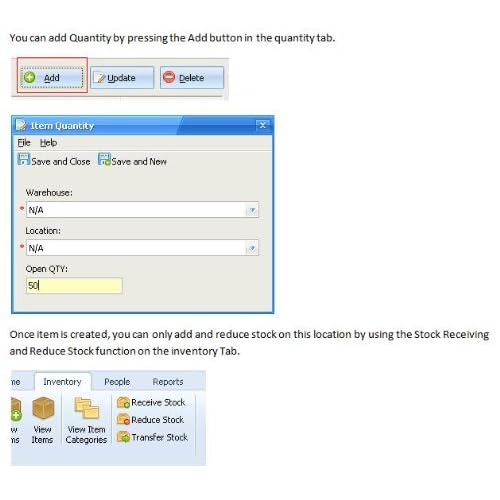


Lastly, implementing an efficient inventory management system will help prevent overstocking or stockouts, minimizing losses. Streamlined logistics and distribution processes can enhance customer satisfaction and drive repeat business. Focus on building a reliable customer service framework that emphasizes responsiveness and support.
Strategies for Operating a Home Décor Venture
Focus on establishing a strong brand identity that resonates with your target audience. Utilize social media platforms to showcase your designs and engage customers directly. This approach builds a community around your products and encourages customer loyalty.
Dive into market research to understand preferences and trends. Conduct surveys or analyze competitors to identify what items are currently in demand. Tailor your offerings accordingly to ensure appeal and relevance.
Consider offering customization options for clientele. This allows customers to personalize items, increasing their attachment to your products and potentially boosting sales. Highlight these options in your promotions.
Streamline the supply chain. Partnering with reliable manufacturers is key; look for those who prioritize quality and timely delivery. Conduct regular assessments of suppliers to maintain standards and efficiency.
Develop a user-friendly e-commerce website. Ensure that navigating your site is intuitive, providing a seamless shopping experience. Implement high-quality imagery and detailed descriptions to attract visitors.
Implement a robust marketing strategy. Invest in targeted online advertising, and consider collaborations with influencers who align with your brand values. Running seasonal promotions can also attract new customers and increase visibility.
Leverage customer feedback. Create avenues for reviews and encourage dialogue to gather insights into customer satisfaction. Use this information to improve products and enhance service quality.
Keep an eye on inventory levels. Employ inventory management software to monitor stock in real-time, minimizing both overstock and stockouts. This ensures you can meet customer demand without excessive costs.
Ultimately, develop a strong after-sales service. Follow up with customers post-purchase to offer support and encourage repeat business. A satisfied customer is likely to share their positive experience, generating referrals.
Identifying Your Target Market and Niche
Begin by analyzing demographic factors such as age, income, location, and lifestyle preferences. Use surveys or social media insights to gather data on potential customers. Identify whether your ideal clientele consists of urban professionals, families, or eco-conscious consumers.
Research Competitors
Examine competitors to understand their customer base and product offerings. Identify gaps in the market that your enterprise could fill, whether through unique design, sustainable materials, or pricing strategies. Leverage tools like SWOT analysis to evaluate strengths and weaknesses against rivals.
Create Customer Personas
Develop detailed profiles of your target market segments. These personas should include preferences, pain points, and spending habits. Tailor your marketing strategies and product lines based on the specific needs and interests of these personas to enhance engagement and conversion rates.
Choosing the Right Location for Your Showroom
Prioritize visibility and foot traffic when selecting a site for your showroom. Look for areas with high pedestrian activity, such as popular shopping districts or near complementary retail stores. This ensures a steady flow of potential customers and enhances brand awareness.
Demographics Matter
Conduct thorough research on the local population. Analyze age, income levels, and lifestyle preferences. Aim for neighborhoods that align with your target clientele. For instance, upscale areas may be suited for premium offerings, while family-oriented communities could focus on functional and affordable designs.
Accessibility and Parking
Consider accessibility for customers. Choose a location easily reachable by public transport, and ensure ample parking options are available. A convenient experience encourages repeat visits and positive word-of-mouth referrals.
- Evaluate nearby public transport routes.
- Check for parking regulations and availability.
- Assess the ease of entry and exit for visitors.
Don’t underestimate the competition. Analyze neighboring shops and evaluate their impact on your showroom. A vibrant retail environment can drive more customers your way, while direct competition might require you to offer unique propositions to attract business.
- Identify direct competitors in the vicinity.
- Analyze their strengths and weaknesses.
- Look for any gaps in the market you can fill.
Lastly, consider the lease terms. Negotiate flexible agreements that accommodate future growth. Shorter leases can be beneficial for testing new markets without long-term commitments, while longer leases may provide stability in prime locations.
Building Relationships with Reliable Suppliers
I prioritize establishing strong connections with dependable suppliers who consistently deliver quality materials. This starts by researching potential partners through industry trade shows, online directories, and recommendations from colleagues. I ensure that the suppliers have a solid reputation by checking reviews and testimonials.
Once I’ve identified suitable candidates, I arrange meetings to discuss their production capabilities and business practices. During these discussions, I pay attention to their communication skills and willingness to address my concerns. This transparency is a key indicator of their reliability.
Negotiating clear terms is essential. I focus on payment terms, delivery schedules, and quality guarantees. A written contract outlining these agreements helps avoid misunderstandings. Additionally, I ensure that suppliers understand my specific needs regarding materials, design preferences, and sustainability practices.
I maintain a regular communication schedule, providing feedback and updates. This proactive approach not only strengthens relationships but also encourages suppliers to prioritize my orders. I often visit their facilities to gain insight into their operations and build rapport with their teams.
Finally, I value collaboration. By sharing insights on market trends and customer demands, I create a mutually beneficial relationship where both parties can thrive. A strong network of trustworthy suppliers becomes a cornerstone for sustained success in my venture.
Creating an Attractive and Functional Store Layout
Begin with a welcoming entrance. Use wide doors and clear signage to draw customers inside. Position a featured display right at the entrance to capture attention instantly, showcasing trending items or special promotions.
Flow and Navigation
Design the interior with a logical flow that encourages exploration. Use pathways that guide visitors through the space, avoiding clutter. Clearly marked sections for different types of pieces allow customers to navigate effortlessly. Create an inviting atmosphere with comfortable viewing angles for each piece.
Effective Display Techniques
Utilize an array of display strategies to highlight products. Consider grouping complementary items together to inspire customers’ imaginations about how pieces could fit into their spaces. Incorporate various heights in displays using risers or shelving to add visual interest.
| Display Type | Purpose |
|---|---|
| Themed Vignettes | Showcase how items work together in real-life situations |
| Feature Items | Highlight new arrivals or bestsellers |
| Seasonal Displays | Attract attention with timely and relevant themes |
| Interactive Zones | Encourage customer engagement through touch and experience |
Integrate lighting strategically. Use spotlights to accentuate specific pieces, while soft ambient lighting creates a cozy atmosphere. Adjust brightness based on the time of day to maintain an inviting space throughout the hours.
Ensure accessibility with wide aisles and open spaces, accommodating all customers, including those with mobility aids. Regularly assess the layout to find opportunities for improvement based on customer feedback and shopping patterns.
Developing a Compelling Brand Identity
Establish a unique logo that embodies the essence of my offerings. This visual representation should resonate with my target audience and be easily recognizable across all platforms. Simple yet memorable designs tend to leave a lasting impression.
Craft a Distinct Voice
Develop a consistent tone in all communications. Whether it’s marketing materials, social media posts, or customer interactions, my voice should reflect my values and connect with potential clients. A friendly yet professional approach often yields positive responses.
Curate a Cohesive Aesthetic
Ensure that all visual elements–color schemes, typography, and imagery–align with my brand’s identity. Create a style guide to maintain integrity across all touchpoints. This consistency builds trust and makes my offerings more appealing.
Engage with the community. Participate in local events or sponsorships that align with my brand values. This visibility fosters relationships and enhances brand recognition.
Collect and showcase testimonials and case studies from satisfied clients. Authentic stories create a personal connection and can significantly influence potential customers’ decisions.
Utilize social media strategically to showcase my products, share behind-the-scenes content, and engage with my audience. Platforms like Instagram and Pinterest are valuable for visual storytelling, allowing me to create an emotional connection to my brand.
Implementing a Pricing Strategy That Attracts Customers
Adopting a competitive pricing model can tremendously impact customer attraction. Start by researching competitors in your region. Analyze their pricing structures to identify gaps where you can offer better value.
Value-Based Pricing
Consider implementing a value-based pricing model. Focus on the unique features of your items that differentiate them from others in the market. This approach allows you to set prices based on the perceived value rather than solely on costs. Highlight craftsmanship, sustainability, or exclusive designs to justify a higher price point.
Promotional Strategies
Incorporate promotions to stimulate interest and foot traffic. Seasonal discounts, bundle deals, or loyalty programs encourage repeat customers. Be strategic with timing to boost sales during slower periods, ensuring that promotions are communicated effectively through your marketing channels.
Monitor customer feedback on pricing. Utilize customer surveys or social media insights to gauge satisfaction. Adjusting your strategy based on this feedback helps maintain a competitive edge while aligning with customer expectations.
Finally, transparently communicate your pricing rationale. When customers understand what drives your prices, they are more likely to appreciate the value offered and remain loyal to your brand.
Utilizing Online Marketing to Expand Your Reach
Invest in a user-friendly website showcasing a diverse selection of items with high-quality images and detailed descriptions. Ensure your site is optimized for mobile users, as a significant portion of shoppers browse on their smartphones.
Leverage social media platforms like Instagram and Pinterest, where visual appeal drives engagement. Share styled photos of your products in real-life settings, utilize relevant hashtags, and engage with potential customers through comments and direct messages to build a loyal community.
Consider targeted paid advertising campaigns on platforms like Facebook and Google Ads. Use demographic data to reach specific audiences, and run A/B tests to determine which ads perform best. An optimized budget can yield significant returns.
Content marketing plays a crucial role in establishing authority. Start a blog offering tips and trends related to interior design, maintenance, and DIY projects. This approach not only attracts visitors to your site but also enhances SEO, improving your visibility on search engines.
Email marketing remains a powerful tool. Build a mailing list by offering discounts or exclusive content. Send out regular newsletters featuring new arrivals, promotions, and informative articles to keep your audience engaged.
Implementing customer feedback and reviews on your site builds credibility and fosters trust. Encourage satisfied clients to leave testimonials. This social proof can have a significant impact on potential buyers’ decisions.
Finally, explore partnerships with local influencers or bloggers who align with your brand values. Collaborations can enhance your reach and expose your offerings to new audiences in a genuine manner.
Providing Excellent Customer Service to Encourage Loyalty
Always prioritize prompt responses to inquiries, whether via email, phone, or in-person. I ensure that my team is trained to handle questions efficiently, which creates a positive experience for potential buyers. A swift follow-up can turn interest into a sale.
Implement a personalized approach. I make it a point to remember returning customers’ names and preferences. By tailoring recommendations based on past purchases or preferences, I demonstrate that I value their patronage.
Encourage feedback through surveys or follow-up emails. I actively seek opinions to understand what works and what doesn’t. This not only shows customers that their thoughts matter, but it also provides insights into areas for improvement.
Offer hassle-free returns and exchanges. Customers appreciate a straightforward return process, which helps to mitigate purchase anxiety. I ensure clear communication about policies and make the process as seamless as possible.
Extend post-purchase support. I keep in touch with customers even after the sale is complete. This includes following up after delivery to ensure satisfaction and offering maintenance tips, showing that I care about their long-term happiness with their purchases.
Create loyalty programs that reward repeat buyers. By providing discounts or exclusive offers for future purchases, I incentivize customers to return, enhancing their connection to my brand.
Organize events or workshops related to home decor and design. Engaging customers in a community fosters deeper relationships and creates additional opportunities for interaction beyond transactions.
Maintain transparency about pricing and features. I clearly communicate any costs associated with my products, ensuring customers have all necessary information upfront. This builds trust and reduces misunderstandings.
Lastly, empower employees to resolve issues autonomously. I encourage my staff to take initiative in addressing customer concerns. This empowerment leads to quicker resolutions and fosters a sense of responsibility, ultimately enhancing the overall customer experience.
Managing Inventory and Supply Chain Effectively
Implement a robust inventory management system that tracks stock levels in real time. Utilize software that integrates with your point-of-sale system, providing accurate data on product performance and enabling quick reorder notifications.
Establish minimum reorder points for each item based on historical sales data and seasonal trends. This approach helps prevent stockouts and minimizes excess inventory, ensuring that popular items are always available for customers.
Use just-in-time (JIT) ordering to reduce holding costs. Coordinate with suppliers to deliver materials and products as close to the time of sale as possible, optimizing storage space and cash flow.
Maintain strong communication with suppliers. Develop a shared calendar for seasonal demand forecasts, allowing them to prepare for your needs. Regularly review supplier performance regarding delivery times and quality to ensure dependable partnerships.
Consider diversifying suppliers to mitigate risks associated with reliance on a single source. This strategy not only enhances resilience but can also provide leverage in negotiations, leading to better pricing and terms.
Regularly analyze sales data to identify slow-moving items. Implement strategies to clear out old stock, such as promotions or bundle deals, to free up capital for fresh inventory.
Invest in staff training to ensure everyone understands inventory processes and the importance of accurate record-keeping. Empower your team to take ownership of their respective areas, fostering a culture of accountability and efficiency.
Periodically conduct physical counts to reconcile actual inventory with stock records. Identifying discrepancies early can prevent larger issues down the line and helps maintain trust with providers and customers alike.