Caleb Turner

To effectively address those bothersome blemishes in your favorite seating, begin by gathering a few essential supplies. You will need a color-matched leather filler, a spatula for application, a leather conditioner, and a clean cloth. Ensuring a seamless finish requires precision and the right tools.
First, clean the area surrounding the imperfection using a leather cleaner to prep the surface. Once it’s dry, apply a small amount of the filler onto the defect using the spatula, smoothing it to blend with the surrounding area. Allow it to cure according to the manufacturer’s instructions; usually, this takes a short while, but it’s crucial for a long-lasting result.
After the filler has hardened, gently sand the surface with fine-grit sandpaper to achieve an even texture. Wipe away any dust, then use your cloth to apply a quality leather conditioner over the entire area, restoring moisture and enhancing color. This final touch not only rejuvenates but also protects your upholstery from future wear.
Repairing Minor Imperfections in Upholstery
I recommend using a specialized leather filler for this task. Select a shade that closely matches the surrounding material. Begin by cleaning the area gently with a soft cloth and a leather cleaner. This ensures no dirt interferes with the bonding process.
After the surface is dry, carefully apply the filler using a small spatula or your fingertip. Press it into the defect, making sure to fill it completely. Smooth the surface with the spatula to achieve a seamless blend with the surrounding texture.


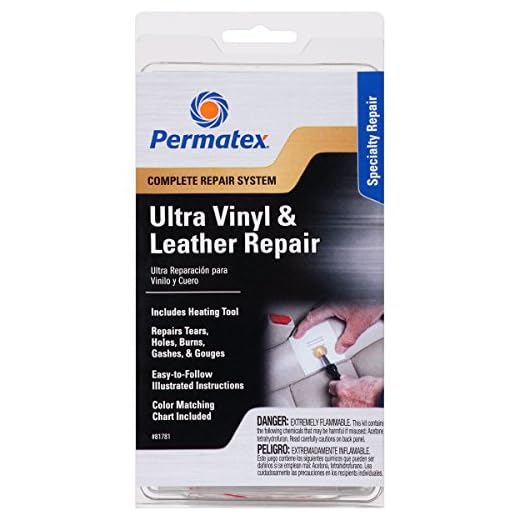
Allow the product to cure as per the manufacturer’s instructions, typically around 24 hours. Once cured, gently buff the area with fine sandpaper if the surface feels uneven. If needed, you can apply a leather conditioner to match the finish and enhance the overall appearance.
For a more polished look, consider using a leather touch-up kit. This usually includes a dye or colorant that can help mask any remaining imperfections after the filler has dried and been smoothed out. Apply this carefully using a cotton swab for precision.
Finally, maintaining a regular conditioning routine can prevent further damage and keep the upholstery looking new for longer. Make sure to revisit the areas periodically to ensure durability and aesthetic appeal.
Identifying the Type of Leather for Repair
To ensure a successful fix, assessing the specific kind of hide is crucial. Common types include full-grain, top-grain, bonded, and synthetic materials. Understanding the distinctions aids in selecting the right tools and products.
Full-Grain
This variety retains the natural surface, showcasing imperfections and grain variations. It’s robust and ages beautifully. I opt for natural dye solutions and waxes specifically formulated for this type.
Top-Grain
A slightly altered variant where the top layer is sanded and dyed. This style is less durable than full-grain but often easier to restore. I find that using color-matching kits works well for touch-ups on this type.
For bonded or synthetic options, I focus on flexible adhesives and textures to blend seamlessly with the surrounding area. Testing in an inconspicuous spot helps gauge the product’s compatibility with the material.
Gathering Necessary Tools and Materials
First, I collected a few items that are crucial for addressing imperfections in my upholstery. A leather repair kit is my starting point, containing an assortment of colors and textures to match the original surface. This kit usually includes patches, adhesives, and color pigments, allowing for seamless blending.
Next, I acquired a pair of small scissors for trimming any excess material and ensuring a clean finish. A straight-edge razor or blade is handy for precise cuts when shaping patches or removing frayed edges.
Additionally, I made sure to have a clean cloth and sponge on hand for applying solutions or cleaning the area before I commence work. A hair dryer can help speed up drying time for adhesives and pigments.
I also gathered a small paintbrush to facilitate detailed application of color or glue, ensuring I maintain control over the process. Finally, latex gloves protect my hands while working, keeping everything tidy and avoiding unwanted stains.
Cleaning the Area Around the Hole
Before addressing the damage, I thoroughly clean the surrounding surface. I use a soft, damp cloth to remove dust and debris, ensuring no particles hinder the subsequent process. It’s crucial to avoid harsh chemicals that might compromise the material’s integrity; instead, I opt for a gentle soap solution if needed.
Next, I gently dab the area with the damp cloth, allowing any excess moisture to evaporate naturally. Ensuring the spot is dry not only promotes better adhesion for repair materials but also enhances the overall appearance post-fix.
If there are any stains around the perimeter, I utilize specialized leather cleaners, applying them carefully as per the product instructions. Taking time to properly maintain the area reflects on the final result, ensuring a more seamless integration once the repair begins.
Finally, I let the cleaned area sit for a little while, allowing it to fully dry before moving on to the next steps. This preparation stage is integral to achieving a polished finish.
Choosing the Right Repair Method
Evaluate the options based on the size and location of the damage. For minor imperfections, I prefer using leather patches or adhesive compounds. If a seamless finish is important, I choose color-matched fillers or dyes.
Consider these methods:
- Patch and Tuck: Suitable for larger openings. A patch can be cut to fit, and tucking the edges ensures a cohesive look.
- Adhesive Solutions: Ideal for areas where minimal texture is needed. Strong adhesive can bond the torn edges effectively.
- Fillers: When working with tiny gaps, I opt for a leather filler. This provides an even surface that can be colored to match.
- Heat Activation: Certain products come with a heat activation feature which melds them into the surrounding material, making repairs nearly invisible.
Analyze the surrounding area to determine how visible the repair will be. For high-traffic sections, durability is key, so I often choose tougher solutions. In contrast, for less visible spots, aesthetics can take precedence. A combination of methods may yield the best outcome; I frequently reinforce adhesive patches with a filler for added strength.
Test any products on a discreet area first. This prevents unexpected results on more visible sections. By taking these steps, I achieve a professional finish that restores the item’s integrity and appearance.
Applying Leather Glue or Patch for Small Holes
For effective restoration, I choose a leather adhesive specifically formulated for upholstery. This kind of glue ensures a strong bond and flexibility. First, I apply a thin layer of the adhesive directly to the area surrounding the gap. I use a small brush or toothpick for precision, ensuring the glue seeps slightly into the material.
In cases where the damage is more noticeable, I opt for a leather patch. I cut a piece of matching material slightly larger than the defect. It’s crucial to choose a patch that complements the texture and color of the original covering. After applying the adhesive, I position the patch carefully, pressing down gently to eliminate air bubbles.
Next, I use a weighted object to maintain pressure on the patch while the glue dries, following the manufacturer’s instructions for curing time. Once it sets, I check the edges to confirm a seamless transition, applying more glue if necessary for any lifting areas.
After the adhesive has fully cured, I assess the finish. If desired, I can apply a leather conditioner to restore suppleness and enhance the visual appeal of the restoration.
| Step | Description |
|---|---|
| Choose Adhesive | Select a high-quality leather glue for upholstery. |
| Apply Glue | Use a brush or toothpick for precision in application. |
| Prepare Patch | Cut a matching piece larger than the damage. |
| Press Patch | Firmly press the patch to avoid air bubbles. |
| Weighting | Use a weight to keep the patch in place while drying. |
| Finishing | Condition the area for a consistent look. |
Using Leather Filler for Larger Holes
I recommend selecting a high-quality leather filler specifically designed for larger damage. First, clean the area thoroughly, ensuring no dust or debris remains. Prepare the filler according to the manufacturer’s instructions, usually mixing it to achieve a smooth consistency.
Apply the filler using a spatula or a similar tool, pressing firmly into the void. Build up layers if necessary, allowing each coat to dry completely. Once dry, use fine-grit sandpaper to level the surface. This will help achieve a flush finish.
To match the original finish, consider using a leather dye or colorant. Test on a hidden area before applying to ensure a good match. After dyeing, seal the area with a suitable leather conditioner to restore flexibility and sheen.
Lastly, avoid excessive handling of the repaired spot for a few days to allow ample curing time. This approach ensures a seamless and long-lasting restoration, maintaining the integrity of the piece.
Color Matching and Touch-Up Techniques
To achieve a seamless look after any fixes, accurate color matching is paramount. Begin by selecting a dye or paint that closely resembles the original shade of the upholstery. I often use small samples to test on inconspicuous areas before applying to visible sections.
- Utilize color swatches from your fabric to find the ideal match or bring a small piece to a paint shop for analysis.
- Consider lighting conditions; colors may appear differently in natural versus artificial light.
Once a suitable color is identified, proceed with the following methods for touch-ups:
- Application of Colorant: Use a fine brush for precise application. This is especially useful for minor imperfections. Apply thin layers, allowing each one to dry before adding more.
- Blending Technique: For larger areas, feather the edges of the colorant into the surrounding material. This softens the line between repaired and untouched areas, making it less noticeable.
- Finishing Products: Once the color is set, I apply a leather conditioner or finish to match the texture and sheen of the surrounding area. A matte or glossy finish can significantly alter the final appearance.
Always allow ample drying time between steps. Creating a mock-up on a spare material can help visualize the final outcome before committing to the actual piece. This systematic approach ensures both color consistency and durability in the application.
Maintaining Leather Treasures Post-Repair
After addressing damages, prioritize regular upkeep to prolong the lifespan of your cherished items. Begin with gentle cleaning using a slightly damp cloth, ensuring no residue remains. This method maintains the surface’s integrity while removing dust and dirt.
Moisturizing Techniques
Incorporate a high-quality conditioner into your maintenance routine every 3-6 months. This application replenishes moisture and prevents drying and cracking. Apply a small amount with a soft cloth, using circular motions for even distribution. Allow it to absorb fully before polishing.
Protective Measures
Consider using a protective spray designed for the specific type of hide. This helps in forming a barrier against stains and spills. Reapply as needed, or every few months, based on usage.
| Action | Frequency |
|---|---|
| Cleaning | Weekly |
| Conditioning | Every 3-6 months |
| Protective Spray | Every few months |
Position your possessions away from direct sunlight and heat sources. This precaution minimizes fading and drying, preserving the material’s rich look. Pay attention to how items are used; avoiding excessive wear will keep your treasures looking their best.
With dedication to maintenance, the results of your repair efforts will shine through, ensuring these items remain beautiful and functional for years to come.