Caleb Turner
Mix equal parts of vinegar and water in a spray bottle. Lightly mist the affected area, ensuring not to soak the surface. Use a microfiber cloth to gently wipe away the solution, revealing the natural beauty beneath.
If stubborn spots remain, create a paste using baking soda and a few drops of water. Apply this to the problematic areas, then scrub softly with a soft-bristled brush or cloth until the residue is lifted. Wipe clean with a damp cloth to remove any remaining paste.
After cleaning, consider applying a quality furniture polish or conditioner. This not only enhances the shine but also protects against future build-up, extending the life of the piece.
Removing Cloudy Residue on Wooden Surfaces
To tackle the opaque layer on your surfaces, I recommend using a mixture of vinegar and olive oil. Combine equal parts of each in a spray bottle. Lightly apply the solution to the affected areas and buff with a soft cloth. This method not only clears the haze but also nourishes the wood.

Alternative Solutions
- For stubborn spots, try mixing baking soda with water to form a paste. Gently rub the paste on the surface with a soft cloth, then wipe away with a damp cloth and dry thoroughly.
- An additional option includes using a commercial wood cleaner designed for such issues. Ensure it is compatible with the specific finish of your item.
- Testing any solution on an inconspicuous area first will prevent potential damage to your beloved piece.
Preventative Measures
- Regularly dust surfaces to minimize build-up.
- Use coasters and mats under glasses and bowls to protect against moisture.
- Avoid direct sunlight exposure which can affect finishes over time.
Understanding the Causes of White Film on Wood
To tackle the issue effectively, I’ll examine the main origins of this cloudy appearance on my wooden surfaces. The presence of this haze often stems from moisture, heat, and contact with abrasive cleaning agents. Each factor can contribute to the deterioration of the finish on my beloved pieces.

Moisture Accumulation
When water or humidity interacts with the topcoat, it can lead to a milky residue. This typically occurs when spills are not cleaned promptly or when items are placed on moist surfaces. Regular monitoring of humidity levels in my environment helps mitigate this risk.
Heat Exposure
Excessive heat can cause damage to the protective layer, leading to blurred spots. Utilizing coasters and heat-resistant mats can prevent the direct transfer of heat from items like mugs and dishes.
- Always use coasters for hot beverages.
- Avoid placing items directly on surfaces that are exposed to sunlight.
Understanding these common causes allows me to take proactive steps to maintain the beauty of my wood decor and keep them looking pristine.
Identifying the Type of Finish on Your Furniture
To address issues effectively, I first examine the finish on my surfaces. Different types can react uniquely to treatments. I perform a simple test by applying a few drops of water. If it beads up, the surface likely has a varnish or polyurethane coating. When the liquid absorbs, it indicates a likely oil or wax finish.
A good way to determine if it’s lacquer is by checking for a strong chemical odor during sanding; this indicates a shellac base. An acetone spot test can help differentiate shellac from polyurethane, as shellac will dissolve in acetone while polyurethane will not.
If the application appears sticky or gummy, it may have been waxed too heavily. In this case, a gentle scrubbing with a cloth and soapy water often allows me to remove the excess easily. I always ensure the cleaning method suits the finish type.
Understanding the specific coatings on my items informs the best choices for cleaning and restoring, preventing further damage or unwanted reactions during treatment. Always conduct a spot test on an inconspicuous area to confirm compatibility before proceeding with any product.
Choosing the Right Cleaning Method for Wood
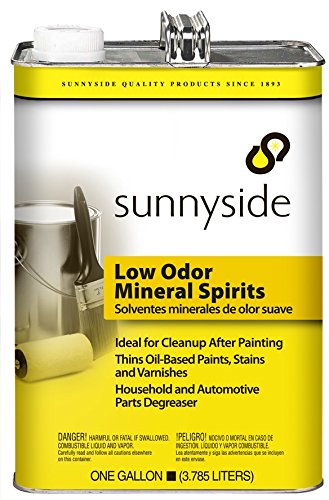
Prioritize the cleaning solution to match the surface type. For oil-based finishes, a soft cloth lightly dampened with mineral spirits can effectively lift residues without damaging the sheen. Be cautious; test a small, inconspicuous area first.
Natural Solutions
Consider using vinegar mixed with olive oil as a mild abrasive for waxed surfaces. This blend not only polishes but also nourishes, providing a fresh sheen. Mix one part vinegar with three parts olive oil, apply it with a soft cloth, then buff with a clean, dry cloth.
Commercial Products
If opting for store-bought options, select gentle cleaners specifically designed for treated surfaces. Avoid harsh chemicals that could strip or alter the finish. Read labels carefully to ensure compatibility with your specific furniture type.
Always follow the manufacturer’s guidelines for maintenance and cleanliness. For unique or valuable pieces, consult with a professional to avoid unforeseen damage.
Step-by-Step Guide to Using Household Items
For tackling the cloudy layer on your cherished items, a few household ingredients yield excellent results. I recommend starting with a mixture of equal parts vinegar and olive oil. This combination effectively breaks down the residue while conditioning the surface. Apply it with a soft cloth, using circular motions, and then buff with a clean, dry cloth.
If any stubborn marks persist, my next choice is a paste made of baking soda and water. Mix a tablespoon of baking soda with a few drops of water until a thick consistency is reached. Gently rub this paste onto the affected area using a soft cloth, always testing in an inconspicuous spot first to avoid damage.
Another effective option involves applying mayonnaise directly to the surface. Let it sit for about 10-15 minutes, allowing the oils to penetrate, then wipe away with a soft cloth. This method is especially useful for older finishes where the build-up is more entrenched.
Finally, I often use a few drops of dish soap mixed with warm water for general cleaning. A slightly dampened cloth with this solution works wonders for lifting impurities. Just ensure to dry thoroughly afterward to prevent further clouding.
| Household Item | Usage Instructions |
|---|---|
| Vinegar and Olive Oil | Mix equal parts, apply with a soft cloth, buff dry. |
| Baking Soda Paste | Combine with water, gently rub on blemishes, test first. |
| Mayonnaise | Apply, leave for 10-15 mins, then wipe off. |
| Dish Soap Solution | Mix with warm water, damp cloth application, dry well. |
When to Seek Professional Help for Restoration
Consider involving a specialist if you identify deep stains or marks that resist basic cleaning methods. Persistent discoloration can indicate a need for advanced techniques beyond DIY solutions.
If your heirloom pieces are affected, entrust them to an expert familiar with antique conservation. These items often require specific processes to maintain their historical and monetary value.
When the coating appears compromised or you suspect structural damage, it’s wise to consult a professional. Remedies for damaged surfaces can vary significantly; inappropriate actions might worsen the issue.
Also, if you lack confidence in your cleaning skills or tools, hiring someone with expertise can prevent further deterioration. Professionals have access to specialized equipment and solutions that are not typically available to the public.
If attempts at rehabilitation yield unsatisfactory results, reassess your approach and consider bringing in a restoration expert. An experienced technician can provide insight into suitable methods tailored to your piece.
Preventing Future Buildup on Wood
Regular maintenance is key. I keep my surfaces conditioned with suitable oils or waxes, applying them every few months to create a protective barrier.
After cleaning, I avoid using excessive moisture. A damp cloth is fine, but I always wring it out thoroughly before use. This prevents any water residue from penetrating the finish.
Direct contact with hot or cold items can cause damage. I ensure to use coasters and mats to absorb temperature fluctuations and shield surfaces.
Sun exposure can be damaging as well. To counteract fading and potential damage, I position items away from direct sunlight and sometimes use window treatments to diffuse harsh rays.
I also pay attention to humidity levels in my home. Using a dehumidifier or humidifier helps maintain a stable environment, which is beneficial for wooden surfaces.
When spills happen, I act fast. Wiping them promptly minimizes the risk of staining or damaging the finish.
Finally, I inspect the furniture regularly for any signs of wear or damage, allowing me to address issues before they escalate. This proactive approach has significantly reduced buildup issues in my experience.