Caleb Turner
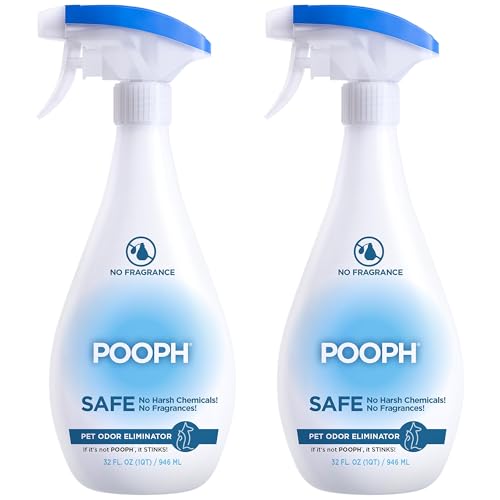
To tackle the lingering odors from recently coated wooden pieces, I suggest placing bowls of activated charcoal or baking soda around the space. These natural desiccants effectively absorb unwanted scents within days.
Ventilation is key. Open windows and doors to promote air circulation. Utilizing fans can accelerate this process, ensuring fresh air replaces any stale atmosphere. This step significantly aids in diminishing the intensity of the unpleasant fragrances.

Eucalyptus or lavender essential oils can be beneficial as well. Add a few drops to cotton balls and strategically position them near the affected items. The pleasant aromas not only mask but also can counteract the stronger smells, creating a more inviting environment.
Regularly wipe down surfaces with a mixture of water and vinegar. This solution acts as a natural deodorizer, helping neutralize the offensive scents while simultaneously cleaning the wood.
Lastly, if possible, allow the piece to “breathe” by keeping it in an open space for several days. Over time, this will greatly assist in dissipating any remaining traces of odor.
Removing Odors from Recent Acquisitions
Utilize activated charcoal to absorb unwanted particles. Place bowls filled with charcoal around the space for several days. This material is known for its high absorbency and can significantly reduce offensive odors. Ensure proper ventilation during this process.
Baking soda serves as an excellent alternative. Sprinkle it liberally on surfaces and leave it overnight. Vacuum it the next day, or take it a step further by placing open containers filled with baking soda inside and around the item for an extended period.
Using white vinegar mixed with water in a spray bottle creates a natural deodorizer. Lightly mist the affected area and allow it to air dry. The acetic acid helps neutralize adverse odors without leaving any lingering scent.
Fresh air circulation aids in dissipating unpleasant scents. Arrange the item near an open window or outside on a dry, sunny day. Direct sunlight not only helps in eliminating odors but also promotes drying, minimizing dampness that could contribute to the issue.
Essential oils can mask and alleviate unwanted scents. Mix a few drops of preferred oils like lavender or lemon with water in a spray bottle and apply to the desired area. This not only combats odors but also infuses a pleasant aroma.
| Method | Materials Needed | Duration |
|---|---|---|
| Activated Charcoal | Bowls of activated charcoal | Several days |
| Baking Soda | Baking soda | Overnight |
| White Vinegar | White vinegar, water | Air dry |
| Fresh Air | None | Several hours |
| Essential Oils | Essential oils, water, spray bottle | Until aroma fades |
Explore these techniques individually or combine methods for enhanced results. You’ll soon enjoy your latest investment without the distraction of lingering scents.
Understanding the Sources of Varnish Odor
Identifying the origin of the unpleasant scent is crucial to effectively addressing it. The primary source is the solvents utilized in the finishing process. These solvents evaporate as the coating cures, releasing volatile organic compounds (VOCs) into the air. Commonly used solvents include acetone, toluene, and xylene, which contribute significantly to the pervasive aroma.
Material Composition
The type of wood and the associated treatment can influence the intensity of the scent. Softwoods like pine may emit stronger odors compared to hardwoods such as oak or maple. Additionally, lower-quality materials may have higher levels of finishing chemicals, resulting in a more noticeable fragrance.
Environmental Factors
Temperature and humidity levels can amplify the scent. Warmer environments can speed up evaporation of the solvents, intensifying the odor. High humidity can also trap these compounds, leading to a prolonged presence of the scent in enclosed spaces. Understanding these factors can help in minimizing the impact of the odor.
Ventilation Techniques for Quick Odor Reduction
To expedite the dissipation of the odor associated with fresh finishes, I utilize cross-ventilation as a primary technique. Opening windows and doors on opposite sides of the room creates a draft, effectively facilitating airflow. I often employ fans to enhance this process. Positioning one fan to blow air into the space and another to exhaust it outward can significantly increase circulation.
Natural Airflow
Adjusting the position of furniture can also promote airflow. I aim for a layout that avoids blocking air pathways, allowing for unobstructed movement of fresh air. Utilizing screens or mesh barriers in open spaces can further aid in encouraging air exchange without compromising aesthetics.
Air Purifiers
Using air purifiers equipped with activated carbon filters is my go-to strategy for combating persistent odors. These devices trap and neutralize airborne particles, enhancing indoor air quality. Regularly maintaining the filters ensures optimal performance. In tandem, I often place bowls of baking soda or vinegar around the space, as they can absorb unwanted odors effectively.
Naturals Remedies to Absorb Varnish Odor
I recommend placing several bowls of baking soda around the area. This simple ingredient is highly effective in neutralizing strong odors. Leave the bowls out for at least a few days to achieve the best results.
Activated charcoal is another strong absorbent. I typically fill small cloth bags or open containers with this material and distribute them throughout the space. It’s remarkable how quickly it minimizes unpleasant scents.
White vinegar works well too. I combine equal parts of vinegar and water in a spray bottle and lightly mist the surfaces (avoiding saturation). The vinegar’s acidic properties help to counteract odors effectively.
Coffee grounds can also be useful. I fill shallow dishes with used grounds and place them in the room. Over time, they absorb and mask unwanted fragrances, leaving a more pleasant aroma.
Using essential oils can provide a pleasant atmosphere. I mix a few drops of oils like lavender or lemon with water in a diffuser. The vapors help to create a refreshing environment while diminishing more pungent scents.
A bowl of plain yogurt can also act as a natural deodorizer. I leave it uncovered in the room for a few days, and its properties will capture strong odors in the air.
Lastly, houseplants like peace lilies or snake plants significantly improve air quality. I find their natural ability to filter toxins and odors incredibly effective over time. Adding greenery not only beautifies the space but also aids in creating a fresher environment.
Using Commercial Odor Neutralizers Safely
Opt for odor neutralizers specifically designed for indoor usage. Products that are eco-friendly and have low volatile organic compounds (VOCs) minimize health risks and environmental impact. Always check for certifications, such as Greenguard or EPA Safer Choice, indicating reduced chemical hazards.
Prior to use, conduct a spot test on a hidden area of the surface to ensure compatibility. This approach prevents potential damage to finishes or coatings. Follow the manufacturer’s instructions carefully regarding application methods and dilution rates when necessary.
Maintain ventilation during application by opening windows or using fans to promote air circulation. This practice facilitates quicker dispersion of odor-neutralizing agents, allowing for a more pleasant atmosphere.
Consider waiting for recommended drying periods before reintroducing items or using surfaces after applying the neutralizer. This step ensures the product functions effectively without overwhelming fragrances.
For persistent odors, periodic reapplication may be necessary, but monitor how the environment reacts to avoid chemical build-up. Store unused products in a cool, dry place, and ensure child and pet safety by keeping them out of reach.
Cleaning Tips for Long-lasting Freshness
To maintain a fresh atmosphere in your space, regular cleaning is key. Begin with these steps to enhance air quality and keep odors at bay:
Regular Dusting and Wiping
- Use a microfiber cloth for dusting surfaces. This traps particles better than traditional dusters.
- Wipe down with a solution of vinegar and water. This natural cleaner effectively neutralizes various odors.
- Consider using essential oils on your cloth for a pleasant scent while cleaning.
Deep Cleaning Schedule
- Monthly, remove all items from shelves and surfaces to clean thoroughly.
- Vacuum fabrics and upholstery, as they can hold onto odors.
- For wooden surfaces, use a natural oil or beeswax polish to maintain luster and freshness.
Incorporating indoor plants can significantly enhance air quality. Some effective varieties include:
- Spider Plant
- Pothos
- Peace Lily
Stay consistent with these practices for a consistently refreshing environment around your belongings.
Preventive Measures for Future Odor Issues
Maintain optimal indoor air quality by ensuring adequate ventilation throughout the space. Open windows regularly and use exhaust fans during and after finishing work.
Select high-quality finishes with lower volatile organic compound (VOC) levels to minimize lingering scents. Research brands known for eco-friendly products.
Utilize natural barriers, such as indoor plants, which can absorb some airborne pollutants and improve overall atmosphere indoors.
Store items properly before use. Whenever possible, keep them in well-ventilated areas away from heat sources where chemical reactions might intensify odors.
Monitor humidity levels; excessive moisture can exacerbate odors. Use dehumidifiers to control moisture in areas like basements or poorly ventilated rooms.
Regular cleaning of the space prevents dirt accumulation that can trap odors. Incorporate schedules for dusting and vacuuming, using non-toxic cleaners.
Consider a dedicated space for projects involving finishes to isolate potential odors from living areas. Use barriers or air purifiers equipped with HEPA filters in such spaces.
Conduct regular inspections of older items to catch any signs of deterioration. Address issues promptly to prevent odors from developing over time.