
 Caleb Turner

If your outdoor seating lacks charm due to worn-out padding, I recommend replacing the old fabric and stuffing. This transformation can breathe new life into your relaxation space.
First, measure the dimensions of the existing pads to ensure a snug fit with the new materials. Aim for high-quality outdoor fabric that resists fading and moisture for long-lasting appeal. Brands like Sunbrella or Outdura are worthwhile considerations as they deliver both durability and style.
Next, remove the old fabric carefully, keeping the original shape intact to use as a template. For filling, opt for marine-grade foam, as it’s resistant to water and mold – essential for outdoor conditions. Once the new foam is cut to size, secure it in place with adhesive spray for stability.
Afterward, lay the new fabric flat, placing the foam on top, and wrap it elegantly around. Use a staple gun to anchor the fabric beneath the padding, ensuring a neat finish. Tuck any excess fabric neatly before securing with staples, creating a professional look.
Finally, don’t underestimate the power of decorative pillows. They can add a splash of color and enhance comfort, giving your outdoor area a cozy, inviting atmosphere. With attention to detail, your revitalized setting will invite relaxation and enjoyment.
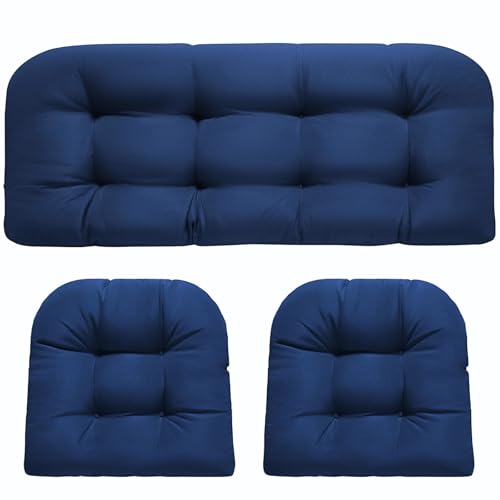


Choosing the Right Fabric for Outdoor Cushions
Opt for solution-dyed acrylic or polyester materials. These fabrics resist fading and moisture absorption, ensuring longevity in sunlight and rain.
Check for mildew resistance. Fabrics treated to prevent mold growth will maintain a fresh appearance, especially in humid environments.
Consider water and stain repellency. Look for fabrics that feature a durable water repellent (DWR) finish. This treatment will help keep spills from soaking in and make cleaning easier.
Evaluate UV protection. Choose materials with a high UV rating to minimize deterioration from sun exposure.
Select a fabric weight that suits your comfort needs. Heavier fabrics often feel more luxurious and can withstand more wear, while lighter fabrics may be easier to manipulate.
Explore patterned options. Fabrics with bold colors or designs can enhance visual appeal, but ensure they still align with your overall aesthetic.
Test for breathability. Fabrics designed for outdoor use often have ventilation properties that help prevent overheating and moisture buildup.
Review manufacturer warranties. Reputable brands often provide warranties that reflect their confidence in product durability.
Lastly, consider the ease of maintenance. Fabrics that are machine washable or require minimal upkeep will save time and effort, allowing you to enjoy your space without constant concern.
Measuring Cushions for Accurate Replacement Covers
To ensure a precise fit for new outer covers, I always take careful measurements of the existing padding. Use a flexible measuring tape for this task. Start by measuring the length, width, and thickness of each piece. For rectangular shapes, measure the longest and shortest sides to get an accurate reading.
Measuring Techniques
When measuring, be sure to account for any rounded edges or unique contours. If your padding has a particular shape, sketch it out and label the dimensions accordingly. Document each measurement clearly, as this will aid in selecting the right size materials.
Dealing with Complex Shapes
For irregular designs, I recommend using a specialty tool like a contour gauge. It allows me to replicate unique profiles accurately. Position the gauge against the cushion’s edge, then transfer the shape to paper, outlining it with exact dimensions. This approach guarantees that the new covers fit seamlessly, enhancing overall aesthetics and comfort.
Preparing Old Cushions for Recovering
First, remove the old fabric carefully. Use a seam ripper to detach the stitching without damaging the foam inside. This will help in creating a pattern for the new cover.
Next, inspect the foam for wear. If it’s compressed or misshapen, consider replacing it. Measure the dimensions of the foam accurately to ensure a snug fit with the new textile.
Clean the foam with a mild detergent and water solution to eliminate any dirt or stains. Allow it to dry thoroughly in a shaded area to prevent mold growth.
After drying, consider adding a layer of polyester batting. This will offer extra cushioning and improve appearance when covered with the new fabric.
Now, assess the old covers. If they are usable, use them as a template for cutting the new material. Lay the old fabric flat on the new textile, trace around it, and add an extra inch for seam allowances.
| Step | Action |
|---|---|
| 1 | Remove old fabric with seam ripper. |
| 2 | Inspect foam for wear. |
| 3 | Clean foam with detergent solution. |
| 4 | Consider adding polyester batting. |
| 5 | Use old fabric as a template for new material. |
With these preparations, you’ll have a solid foundation for the next step in revitalizing your seating. The effort put into this process will ensure a durable and attractive result.
Sewing Techniques for DIY Cushion Covers
Choose a straight stitch for simplicity and durability. This stitch is ideal for sewing seams and provides a strong hold under pressure. Use the longest stitch length for basting to hold fabric pieces together temporarily before final sewing.
Learning Different Seams
Experiment with various seam types. The French seam is excellent for fabric edges prone to fraying, encapsulating raw edges for a clean finish. Alternatively, consider a zigzag stitch to prevent edges from unraveling while adding a decorative touch.
For a professional look, use a double-stitched seam. Not only does it enhance durability, but it also adds visual appeal. Apply this technique on areas subject to high stress, like corners or seams that bear weight.
Incorporating Zippers and Piping
Add a zipper for easy removal and washing. Position it along one edge, ensuring alignment with fabric patterns. This adds functionality and prevents fabric distortion over time. For a polished edge, insert piping. Cut bias strips from the fabric, encasing a cord within them before attaching to the edges of your cover.
Secure all components firmly, and always press seams flat as you work. This reduces bulk and enhances the overall finish of your project. Regularly check for alignment as you sew to maintain even edges.
As the final step, turn your fabric cover right side out and insert your padding. Ensure the fit is snug without excessive strain on seams.
Adding Zippers vs. Velcro for Cushion Covers
For my outdoor seating, I prefer zippers over Velcro for closure due to their durability and sleek appearance. Zippers offer a more finished look, allowing easy removal and washing of covers without fraying or wear that can occur with Velcro.
When choosing zippers, I recommend opting for heavy-duty types, preferably water-resistant, to withstand outdoor conditions. Their installation requires precise sewing, but the result is a clean line that enhances the overall aesthetic.
In contrast, Velcro is simpler for quick access but tends to attract dirt and debris. It can lose its grip over time, especially with sun exposure and moisture, leading to frequent replacements. I find that Velcro can be functional for temporary solutions, but for a long-lasting, reliable finish, zippers are my go-to.
If you are concerned about time efficiency, Velcro offers a faster application process. However, I prioritize longevity and ease of maintenance, making zippers the superior choice in my experience.
In conclusion, while both options have their merits, zippers stand out for quality and aesthetics in the restoration of seating. I encourage considering personal needs and preference when selecting the right closure method for your outdoor decor project.
Tips for Properly Filling Cushions After Recovery
Ensure the fill material is evenly distributed; this prevents sagging and promotes comfort. If using foam, choose a density that complements your seating requirements. A medium-firm foam offers balance between support and softness.
For polyester fiberfill, fluff the material thoroughly before stuffing. This technique enhances loft and maintains shape. Avoid packing too tightly; allowing some air pockets improves comfort and resilience.
Utilize a baffle system for fabrics that require segmented filling. This approach prevents the fill from shifting and ensures a uniform look throughout the piece. Some sewing techniques, like quilting, can also help maintain structure.
Consider using a blend of materials; combining foam with fiberfill can provide an ideal mix of support and plushness. Adjust the proportions based on personal comfort and the level of usage.
Secure the filling within the fabric cover using ties or Velcro to prevent movement. This extra step keeps the fill in place, maintaining the desired shape over time.
Test the comfort of the newly filled covers by sitting on them before finalizing the process. Make any necessary adjustments to the fill for the most comfortable experience.
Caring for and Maintaining Your Newly Recovered Cushions
Regular cleaning is key. I use a mild soap mixed with water and a soft brush to scrub the fabric gently. Afterward, I rinse thoroughly to prevent soap residue.
Protection from the Elements
To prolong the lifespan, I recommend storing these items indoors during harsh weather. If that’s not feasible, a breathable cover is beneficial. It helps fend off moisture and dirt.
Dealing with Stains
- For spills, blot immediately with a clean cloth; avoid rubbing to prevent spreading.
- Use a fabric-safe stain remover when necessary, following the manufacturer’s instructions.
- For persistent stains, consulting a professional cleaner specializing in outdoor fabrics can provide effective solutions.
Regular inspections help identify any wear and tear early. Addressing small issues can prevent larger repairs later. Sun exposure can fade colors, so rotating the positions of the items can extend their vibrant appearance.
Using a soft brush to remove debris will keep the surface clean and inviting. Maintain the shape by ensuring ample ventilation around these items, preventing moisture buildup.


