

Begin with a thorough cleaning of each item to ensure the surface is free from dust and grime. Use a simple mixture of warm water and mild soap, followed by a dry cloth to prevent moisture from settling in any crevices.
Next, assess the condition of the surfaces you are working with. Sanding is critical in achieving a smooth finish. Utilize fine-grit sandpaper to lightly scuff the surface, creating a better bond for the subsequent layers of color.
Select high-quality products suitable for the materials of your pieces. For wood, an acrylic or latex option is advantageous. Be mindful of using spray paint versus a brush; the former can provide an even coat with less visible strokes.
Apply the chosen product in thin layers, allowing each coat to dry completely before adding the next. This approach minimizes drips and ensures a professional look. For an added touch, consider finishing with a sealant to protect against wear and tear.
Transforming Your Space with an Update
Select a high-quality primer specifically designed for wood or laminate materials. This step ensures proper adhesion and prevents stains from bleeding through the new finish. Apply the primer evenly with a brush or roller, covering all surfaces thoroughly. Allow sufficient drying time according to the manufacturer’s instructions before proceeding.
Choosing the Right Finish
<p Opt for a durable topcoat that suits the style you're aiming for. Options include satin, glossy, or matte finishes. Each provides a different aesthetic and level of protection. Test a small area on an inconspicuous section to ensure the desired effect aligns with your vision.
Application Techniques
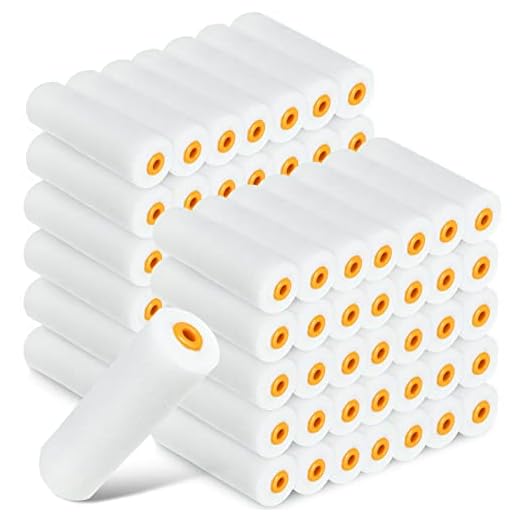
Utilize a foam roller for larger surfaces to achieve a smooth, even application. For intricate details, a fine-tipped brush works best. Apply multiple thin coats rather than one thick layer to ensure even coverage and prevent drips. Lightly sand between coats for optimal adhesion.
| Finish Type | Durability | Best For |
|---|---|---|
| Satin | Medium | Traditional and modern looks |
| Glossy | High | Contemporary styles |
| Matte | Low | Rustic and vintage aesthetics |
Once finished, allow the surfaces to cure fully before reassembling or using the pieces. This patience pays off with a long-lasting, refreshed appearance that enhances the overall ambiance of the space.
Choosing the Right Type of Paint for Bedroom Furniture
I recommend using water-based acrylics or latex options. These offer quick drying times, less odor, and easy cleanup with soap and water. Selecting a matte or satin finish adds a modern touch while providing durability.
Oil-based alternatives provide a smooth, hard finish suitable for high-use pieces like dressers or nightstands. However, these take longer to dry and require solvents for cleanup, so weigh convenience against finish quality.
For a distressing technique, consider chalk-based formulas. They allow for easy sanding and layering, delivering a vintage effect that complements various styles.
Be mindful of the surface material. Softwoods may absorb paint differently than hardwoods. Primers can enhance adhesion and provide a uniform base, improving the final look and longevity of the finish.
If you’re aiming for eco-friendliness, look for low-VOC or Zero-VOC options. These are better for indoor air quality and come in various finishes to suit your aesthetic preferences.
Preparing Your Furniture for Painting
I recommend cleaning surfaces with warm, soapy water to remove dust and grime. After rinsing, let everything dry completely. Chip away any old, flaking finishes with a scraper; this ensures a smooth application. Use fine-grit sandpaper to lightly scuff the surface, which helps the new coating adhere better.
Once sanding is complete, wipe down surfaces with a damp cloth to remove any dust. For wooden items, consider applying a wood conditioner to promote an even finish, especially if the material is porous.
- Fill in any dents or scratches with wood filler, allowing it to dry before sanding again for smoothness.
- Consider priming, especially if the surface has a dark stain or a glossy finish. A suitable primer can prevent bleed-through and enhance the final appearance.
- Ensure workspace is well-ventilated and free of dust during the entire process.
Finally, organize your tools and materials, so everything is within reach as you work. This preparation will help streamline the entire process and lead to a more satisfying outcome.
Selecting the Best Tools for a Smooth Finish
I recommend starting with a high-quality brush specifically designed for the material of your item. For wood surfaces, a synthetic bristle brush works wonders, while natural bristles excel with oil-based products. A foam roller can be excellent for larger flat areas; it reduces streaking and delivers a uniform layer.
Essential Accessories
For precision, a small angled brush is invaluable, especially in corners and along edges. A tray for the color mixture simplifies application and helps avoid spills. Use painter’s tape to mask off non-target areas to ensure crisp lines. Don’t forget a good sandpaper option; 220-grit is ideal for smoothing surfaces before applying any coating.
Cleaning and Maintenance Tools
After finishing the task, clean your brushes immediately with the appropriate solvent to prolong their lifespan. Keeping tools organized in a dedicated container ensures easy access for future projects. A drop cloth can protect your floors from drips, making cleanup a breeze.
Investing in these specific implements leads to outstanding results and enhances the overall experience. Proper preparation and the right tools eliminate much of the frustration and ensure a stunning end result.
Step-by-Step Guide to Priming Your Furniture
Choosing the right primer is key. I prefer an oil-based or shellac primer for better adhesion and stain-blocking properties.
-
Begin by ensuring the surface is clean and dry. Wipe down with a damp cloth to remove dust and debris.
-
Lightly sand the surface using fine-grit sandpaper (220 grit) to promote adhesion.
-
Wipe away any dust from sanding with a tack cloth. This step prevents imperfections in the finish.
-
Apply the primer evenly with a high-quality brush or roller. I recommend starting with edges and detailed areas before moving to larger surfaces.
-
Allow the primer to dry according to the manufacturer’s instructions. Check for any drips or uneven areas.
-
If needed, sand lightly again with fine-grit sandpaper after the primer has dried to achieve a smooth finish.
-
Finally, clean the surface once more to eliminate dust before proceeding with the final coat.
Following these steps ensures a solid foundation for the finishing layers, enhancing the overall appearance and durability of the project.
Applying Paint: Techniques for Even Coverage
For flawless application, I prefer working in controlled lighting where I can clearly see the surface textures and any imperfections. I begin by applying a thin layer of primer, which not only aids adhesion but also allows for better visibility of the surface’s condition. After priming, I select a high-quality synthetic bristle brush for edges and corners, as it gives more precision. For larger areas, a foam roller works wonders, ensuring a smooth finish without leaving brush marks.
Avoiding Common Mistakes
One common mistake is overloading the brush or roller with product. I keep a paper towel handy to wipe off excess before applying. This technique prevents drips and ensures an even application. Additionally, I always maintain a consistent stroke direction to avoid visible lines and patches. If I notice any imperfections post-application, I don’t hesitate to lightly sand the area after it dries before adding another coat.
Layering for Depth
Applying multiple thin layers rather than a single thick one not only enhances durability but also provides a more refined appearance. I allow each layer to dry fully as per the manufacturer’s instructions before applying the next. This patience pays off, resulting in a professional-looking finish that stands the test of time.
Finishing Touches: Sealants and Topcoats Explained
After achieving the desired color on your surfaces, applying a protective layer can enhance durability and finish. Sealants and topcoats come in various formulations, each serving different purposes. Choosing the right solution depends on the look and feel you want to attain.
For a more natural appearance, a water-based polyurethane is optimal. It dries clear and provides a strong shield against scratches and stains while allowing the underlying hue to shine. I recommend applying two to three thin coats, sanding lightly between each application to create a smooth surface.
If a gloss or satin finish is more appealing, an oil-based topcoat can deliver that luster. While this option takes longer to dry and requires more ventilation, its resistance to wear and moisture is unparalleled. Make sure to apply with a high-quality brush designed for smooth application, as this will minimize brush strokes.
Consider using a spray-on sealant for intricate designs or carvings. It allows for even application over detailed areas that a brush might miss. Always hold the nozzle at a consistent distance and use sweeping motions to avoid drips.
Regardless of the method chosen, ensure proper drying times as recommended by the manufacturer. Applying additional coats too soon can cause peeling or an uneven look. Once everything is dry, lightly buff the surface with a soft cloth for a polished finish.
To enhance longevity, avoid direct sunlight exposure and high humidity conditions during the drying phase. Taking these precautions will ensure that the finish remains intact, providing protection and aesthetic appeal for years to come.
Maintenance Tips for Long-Lasting Colorful Creations
Regular cleaning with a soft cloth and mild soap solution prevents dust and grime buildup. Avoid using harsh chemicals or abrasive scrubbers that can damage the finish.
Touch-Up Techniques
Keep a small amount of leftover coating for quick repairs. A tiny brush works wonders for addressing scratches or scuffs. Blend the touch-up area with the surrounding surface for a seamless look.
Environmental Considerations
Store in a controlled climate away from direct sunlight, heat sources, and excessive moisture. These elements can warp and fade surfaces over time. Use coasters or placemats under items to mitigate scratches and stains.


