Caleb Turner
The first step in refreshing your outdoor seating is to thoroughly clean the surface. Using a mild detergent mixed with warm water, scrub the frames with a soft brush to remove all dirt and grime. Rinse thoroughly with a hose and allow the pieces to dry completely in a shaded area to avoid direct sunlight, which can affect the drying process.
Once cleaned and dried, inspect for any imperfections, such as scratches or chips. Use fine-grit sandpaper to smooth these areas and create a better grip for the application that follows. After sanding, wipe down the entire piece with a damp cloth to remove dust and ensure a smooth application.
Select a suitable coating product designed specifically for metal surfaces. Opt for either a spray or brush-on type, depending on your preference and the size of your items. Apply the coating in thin, even layers, allowing adequate drying time between applications. This will help you achieve a uniform look without drips or runs.
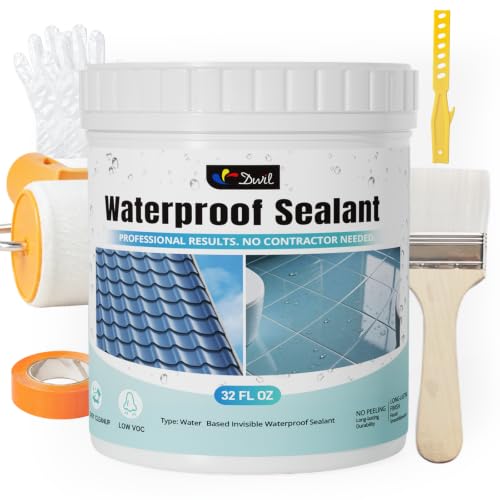
Finally, to seal the finish and enhance durability, consider applying a clear protective sealant. This step will help shield the surface from weather elements and preserve its fresh appearance for longer. After the application, allow adequate curing time as specified by the product instructions before using the furniture again.


Preparation Steps
Removing any existing sheen is crucial. I utilize sandpaper, preferably medium-grit, to abrade the surface, enhancing adhesion. Pay close attention to corners and crevices where residue might linger.
Cleaning follows abrasion. A mixture of warm water and mild detergent works well; scrub the surface thoroughly to eliminate dust and oils. Rinse with clean water and allow it to dry completely.
Choosing the Right Materials
Select a bonding primer designed for metal surfaces. An oil-based formula typically yields better results. This primer acts as a mediator between the surface and the subsequent layer.
For the top coat, I recommend an exterior-grade paint, specifically formulated for metal. Options can vary from spray cans for detailed work to traditional brushes for larger areas.
Application Techniques
When applying the primer, I favor thin, even coats. Utilizing a spray applicator offers uniform coverage and reduces brush strokes. I dedicate time to allow each coat to dry completely, typically a few hours, depending on temperature and humidity.
After priming, I repeat the process with the chosen top coat. Multiple thin layers enhance durability; I aim for at least two coats. Allow adequate drying time between applications for best results.
- Ensure proper ventilation during application.
- Protect surrounding areas from overspray.
- Always follow the manufacturer’s instructions regarding curing times.
After completing the application and allowing everything to cure, I enjoy the refreshed look and increased longevity of my outdoor seating. Patience and attention to detail redefine the aesthetic appeal of my space.
Assessing the Condition of Your Furniture
I first examine the surfaces for any signs of damage such as scratches, chips, or corrosion. These imperfections can affect the finish during the transformation process.
Next, I look for areas where the finish may be fading or peeling. This often indicates that the protective layer has deteriorated and needs attention. I pay special attention to the edges and joints, as these are common spots for wear.
Tools for Inspection
Using a clean cloth, I wipe down the surfaces to remove dirt and debris, making it easier to spot any hidden flaws. A flashlight also helps illuminate any areas that require closer inspection.
Structural Integrity
I ensure that all joints, screws, and fasteners are secure. Loose parts can lead to instability, making the entire item unsafe to use. If I find any issues, I take the time to address these before proceeding.
| Condition | Action Required |
|---|---|
| Scratches and Chips | Sand and repair |
| Fading or Peeling | Remove old finish and prepare for new |
| Loose Joints | Tighten screws and reinforce |
Taking the time to thoroughly assess these elements ensures a smoother restoration experience and enhances the final outcome. A well-prepared surface leads to a longer-lasting finish and a more satisfactory result overall.
Choosing the Right Type of Paint for Aluminum
For metal structures like outdoor seating, selecting a suitable coating is crucial for durability and appearance. I recommend using a high-quality acrylic or enamel formula, designed for metal surfaces. These types provide strong adhesion and weather resistance, essential for outdoor use.
Acrylic vs. Enamel
Acrylic options are water-based, offering easy cleanup and quick drying times. They maintain flexibility, making them less likely to crack over time. Enamel, however, provides a hard finish that excels in durability and can withstand harsh elements. Depending on your specific needs, consider the environment–choose acrylic for easy maintenance or enamel for long-term toughness.
Specialized Formulations
Several manufacturers offer paints specifically formulated for metal surfaces. Look for products labeled as rust-inhibiting or anti-corrosive, which can enhance longevity, especially in humid or coastal areas. It’s wise to check for UV protection if your items will be exposed to direct sunlight, as this helps prevent fading and degradation.
Gathering Necessary Tools and Supplies
I begin by collecting a variety of tools to make the process smoother. A wire brush or sandpaper is key for removing any rough spots. A cleaning solution is essential to ensure the surface is free from dirt and grease.
I opt for quality paint designed for outdoor use; it’s vital to withstand the elements. Selecting a good primer specifically for metallic surfaces is equally important to enhance adhesion.
I’ll need proper applicators, such as brushes or rollers, to achieve an even finish. A drop cloth will protect the surrounding area, while painter’s tape helps in creating clean lines. Don’t forget gloves and a mask; safety is paramount during this task.
Lastly, I gather a sturdy ladder if working on high surfaces. This makes it easier to reach all areas without straining. With these tools and supplies, I can approach the project with confidence.
Preparing the Surface for Painting
First, I ensure the surface is clean by using a mixture of warm water and mild detergent. With a soft sponge, I scrub away dirt, grime, and any residues. Rinsing thoroughly with clean water prevents any soap film from interfering with adhesion.
I then check for any rough spots or imperfections. Lightly sanding these areas with fine-grit sandpaper creates a better surface for adhesion. After sanding, I wipe the furniture down with a damp cloth to remove dust particles.
If there are any areas with peeling or chipping, I use a scraper or putty knife to carefully remove loose material. This will help in achieving a smooth finish later. For stubborn paint, a chemical stripper can be applied, but I follow all manufacturer instructions for safety.
Lastly, I allow the surface to dry completely before proceeding to the next steps. This ensures the best possible adherence of the new finish, leading to a longer-lasting result.
Applying Primer: Importance and Technique
I always choose a high-quality primer as the first layer before applying the final color. Priming enhances adhesion, preventing peeling and chipping in the long run. It also creates a uniform surface, enhancing the finish and vibrancy of the top coat.
To begin, ensure the primer is suitable for metals. I prefer products specifically designed for outdoor use–these formulations resist rust and environmental wear. After mixing the primer according to the manufacturer’s instructions, I apply it with a brush or spray gun, ensuring even coverage. I pay particular attention to edges, corners, and areas that may experience more wear.
I typically allow the primer to dry completely, following the recommended drying time stated on the label. This step is critical; skipping it can lead to poor adhesion of the next layer. Once dry, I lightly sand the surface with fine-grit sandpaper. This step helps to create a smoother finish for the final top coat.
In cases where I want added durability, I apply a second coat of primer, ensuring that the first layer has adequately cured. This extra step can significantly extend the longevity of the final finish, making my outdoor items look fresh and well-maintained for years to come.
Selecting and Applying the Top Coat
For optimal results, I always choose a high-quality acrylic or urethane finish. These options provide a durable surface and excellent UV resistance. Ensure that any chosen product is explicitly labeled for metal applications.
Follow these steps during application:
- Testing Compatibility: Before application, conduct a test patch. Apply the finish in a small, inconspicuous area to ensure compatibility with the primer.
- Proper Conditions: Wait for a dry, warm day to paint. Ideal temperatures range between 65°F and 85°F with low humidity. Avoid working in direct sunlight to prevent rapid drying.
- Applying the Finish: Use a high-quality brush or sprayer. If spraying, maintain a consistent distance and overlap each stroke to create an even layer. For brushes, apply with even strokes and avoid excessive pressure.
- Multiple Coats: Apply at least two coats for a robust finish. Allow adequate drying time between coats as per the manufacturer’s recommendations, typically around 2-4 hours.
- Final Cure: Post-application, allow the furniture to cure for several days before heavy use. This ensures the finish achieves maximum hardness and durability.
Regular inspections after application will help detect any wear or damage early, allowing for timely touch-ups and extending the lifespan of the surface. Maintenance with occasional cleaning and minor repairs will ensure the longevity of my investment.
Allowing Proper Drying Time Between Coats
After applying a layer, I always wait at least 24 hours before adding another coat. This period lets the initial layer cure effectively, ensuring good adhesion and finish quality. Rushing this process often leads to problems like bubbling or uneven texture, which I try to avoid at all costs.
Factors Influencing Drying Time
Temperature and humidity play a significant role in drying. Higher temperatures can speed up the process, while high humidity can prolong it. I find it helpful to check the manufacturer’s guidelines for recommended drying times to ensure I’m aligning with their suggestions.
Testing for Dryness
I conduct a touch test on a small, inconspicuous area before proceeding with the next layer. If it feels tacky, I give it additional time. This approach guarantees that the finish is smooth and durable, providing a professional appearance upon completion.
Maintaining Your Newly Finished Outdoor Seating
Regular cleaning is key. I use a mixture of mild soap and warm water, applying it with a soft cloth or sponge. This avoids scratches while effectively removing dirt and grime.
After cleaning, I ensure thorough drying to prevent moisture buildup. This simple step helps maintain the integrity of the outer layer.
Inspecting for any chips or scratches should be routine. Addressing these immediately with touch-up products can prevent further damage. I always keep some leftover top coat for such repairs.
I recommend reapplying the top layer every couple of years, especially if the items are exposed to harsh weather. This additional coat reinforces protection against the elements.
Positioning the seating in a shaded area or using protective covers during off-seasons can extend its longevity significantly. These methods help minimize UV damage and other environmental impacts.
Lastly, avoid using abrasive cleaners or stiff brushes, as they can compromise the surface. A gentle approach goes a long way in preserving its look and durability.