
 Caleb Turner

Prepare your surfaces thoroughly; clean each item with a damp cloth to remove dust and grime. Allow to dry completely before proceeding. This step ensures better adherence of the chosen finish.
Choose a primer suited for wood to create a solid foundation. Apply a thin, even coat using a high-quality brush or roller; this reduces the risk of peeling. Once dry, lightly sand the surface to promote further adhesion. A fine-grit sandpaper works best for this.
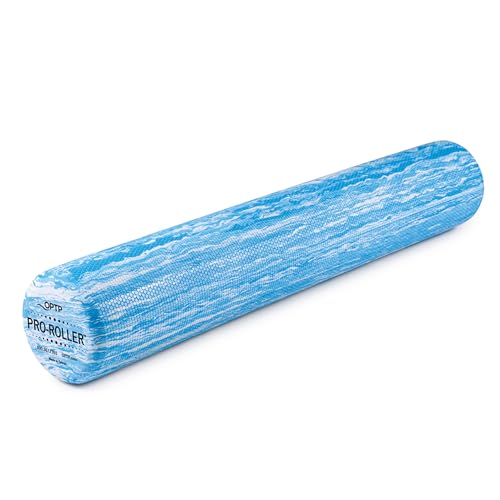
Select your color thoughtfully. For a smooth, lasting result, a water-based acrylic product is a reliable choice. Using a foam roller can help achieve an even application, particularly on flat surfaces. Allow each layer to dry completely before adding the next, creating depth in color.
After achieving the desired hue, finish with a protective topcoat. This layer is crucial for durability and will enhance the overall appearance. A matte or satin finish can give a modern touch, while a gloss finish offers a more polished look.
Preparing the Surface
I begin by cleaning the surface thoroughly to remove dust and grease. A gentle soap solution works well for this. Once cleaned, I let it dry completely. Next, I lightly sand the wood using fine-grit sandpaper to create a smooth texture and help the new coating adhere better.


Applying Primer
Using a high-quality primer is key. I opt for an oil-based or shellac-based primer, especially for light woods. I apply it evenly with a brush, ensuring I cover all corners and grooves. After applying a thin coat, I wait for it to dry completely before moving on.
Choosing the Right Finish
For the final layer, I prefer using water-based acrylic for its ease of use and quick drying time. I apply two to three thin coats, allowing each to dry between applications. This results in a durable finish that enhances the natural beauty of the wood.
Selecting the Right Paint for Pine Furniture
For optimal results, I recommend using water-based acrylic or latex options. They provide durability and are easy to clean. Make sure to choose a paint labeled as suitable for wood surfaces.
- Finish Type: Decide between matte, satin, or gloss. Satin offers a soft sheen, while gloss can provide a more modern look.
- Color Selection: Lighter shades can enhance natural grain patterns, while darker hues can add sophistication.
- Environmental Considerations: Opt for low-VOC or zero-VOC selections to minimize harmful emissions.
Using primer can improve adhesion and color coverage significantly. I suggest a high-quality bonding primer specifically designed for wood.
- Test a small area to check compatibility and coverage.
- Allow sufficient drying time according to the manufacturer’s instructions before applying additional coats.
Ultimately, investing in higher quality products pays off, ensuring durability and a beautiful finish.
Preparing the Surface for Painting
Begin with thorough cleaning using a mixture of warm water and mild detergent to remove any dust, grease, or stains. I suggest a microfiber cloth for this task, as it traps particles effectively without scratching the surface.
Once cleaned, allow the piece to dry completely. After drying, inspect for imperfections such as scratches or dents. For a smooth finish, sand down these areas with fine-grit sandpaper (around 220-grit) until they are even with the surrounding areas.
Next, I recommend sanding the entire surface lightly to scuff up the finish. This will promote better adhesion with the chosen finish. Ensure to wipe away any dust created during this process with a damp cloth.
If the original finish is glossy, consider using a primer suitable for non-porous surfaces. Applying primer ensures that the subsequent layers stick well and enhances durability. Follow the manufacturer’s instructions for drying times before proceeding.
Make sure to work in a well-ventilated space, and consider using painter’s tape to protect areas you do not want to be coated. This careful preparation sets the stage for achieving a professional-looking result.
Choosing and Applying the Primer
I opt for a high-quality primer specifically formulated for wood surfaces to ensure proper adhesion and prevent bleed-through. My choice often falls to a water-based or oil-based primer. Water-based products are easy to clean up and dry quickly, while oil-based options provide excellent sealing capabilities. It’s important to check the manufacturer’s recommendations regarding compatibility with the subsequent layer.
Application Guidelines
I always start by shaking or stirring the primer to achieve a consistent mixture. Using a foam roller or a synthetic brush, I apply an even coat, working in smooth motions to avoid streaks. I make sure to cover all surfaces thoroughly, including edges and corners. After the first coat dries, I gently sand the surface with fine-grit sandpaper to create a smooth finish before applying a second coat.
Choosing the Right Primer
When selecting the primer, I consider factors such as the intended finish, the type of wood, and the final aesthetic I’m aiming for. For lighter woods, I prefer a tinted primer to enhance the true colors of my topcoat. If I’m working with darker stains or wood, a stain-blocking primer is essential to prevent discoloration.
| Type of Primer | Features | Best Use |
|---|---|---|
| Water-Based Primer | Low odor, quick drying, easy cleanup | General use and quick projects |
| Oil-Based Primer | Seals well, excellent adhesion, longer drying time | Heavy stains or odor-sensitive areas |
| Stain-Blocking Primer | Prevents bleed-through, great for dark woods | Any project with potential staining issues |
Best Techniques for Painting Pine Furniture
For optimal results, I always recommend using a high-density foam roller for large, flat surfaces. This tool minimizes brush marks and provides an even finish, allowing for quick application. When tackling edges and corners, a high-quality angled brush can help reach those tricky spots without making a mess.
A critical step is to apply multiple thin layers instead of a single thick coat. This approach prevents drips and ensures a smooth texture. I usually allow each layer to dry completely before applying the next. Timing is everything; refer to manufacturer instructions for specific drying times.
Another technique I find effective is using a sanding sponge after each layer dries, particularly on the final coat. This method smooths out any imperfections and creates an ideal surface for the next layer. Be sure to wipe away any dust with a tack cloth to maintain adhesion.
Additionally, I like to work in well-ventilated areas, as it not only speeds up drying times but also helps fumes dissipate. If using spray options, maintaining a consistent distance from the surface promotes an even application and reduces the risk of runs.
Finally, for a more durable finish, I suggest adding a protective topcoat after the paint has fully cured. This layer enhances scratch resistance and longevity. Choose a clear polyurethane or matte sealer according to your desired final look.
Using Brushes vs. Rollers: Which is Better?
I personally prefer brushes for this task due to their ability to provide better control and precision, especially when working on intricate details or corners. A quality synthetic brush can deliver a smooth finish, allowing for seamless application.
Benefits of Using Brushes
- Enhanced control over application, making it easier to cover edges and hard-to-reach areas.
- Thin layer application, ideal for achieving a smooth, even surface without drips.
- Varieties available for different textures, including flat, angled, and detail brushes.
Advantages of Rollers
- Speed. Rollers cover large surfaces quickly, reducing the time spent on bigger pieces.
- Even texture with less likelihood of brush strokes, providing a uniform look across flat areas.
- Higher paint absorption, leading to fewer reapplications for base coats.
Using a combination of both tools can also be beneficial. I often use a roller for expansive surfaces and a brush for edges and details. This method ensures both efficiency and precision, resulting in a professional-quality finish.
Consider the specific piece and the look you want to achieve. For projects where fine detailing is crucial, I lean towards brushes, while for larger items, rollers significantly cut down the workload. Selecting the right tool improves both the enjoyment and outcome of the undertaking.
Drying Times and Curing for Optimal Results
After completing the coating process, I ensure to allow adequate drying time, which is critical for achieving a smooth and durable finish. Most modern formulations typically dry to the touch within 1 to 2 hours. However, I find that waiting at least 4 to 6 hours before applying additional layers yields better outcomes. This interval can vary based on environmental conditions such as humidity and temperature.
Understanding Curing
Curing indicates the process where the applied coating reaches its maximum durability and hardness, which may take several days to weeks depending on the material used. I suggest waiting a full 24 hours after the final layer before using the item. For optimal durability, allowing at least 1 to 2 weeks for full curing is advisable. This patience pays off, ensuring your project withstands everyday wear and tear efficiently.
Environment Considerations
Maintaining an appropriate environment during the drying and curing processes is crucial. I find that working in a well-ventilated area with a stable temperature, away from direct sunlight and high humidity, significantly accelerates drying times. Utilizing fans can enhance airflow, contributing to a more uniform drying experience.
Finishing Touches: Sealing and Protecting the Paint
To effectively safeguard the finish, I recommend applying a clear topcoat after the colored layers have thoroughly dried. I typically opt for a water-based polyurethane for its durability and minimal odor. This type of sealer forms a protective barrier that resists scratches, stains, and moisture.
Before applying the topcoat, ensure the underlying paint is completely cured. This usually takes about 3-7 days, depending on the paint and environmental conditions. Lightly sand the surface with fine-grit sandpaper to promote adhesion and create a smooth finish.
When applying the protective layer, use a high-quality brush or a foam applicator for an even distribution. I prefer to work in thin layers, allowing each to dry before adding the next. This prevents bubbles and uneven spots. Aim for at least two coats for optimal protection, but three can provide an extra level of durability.
After the final coat, allow ample drying time, typically 24 hours, before using the item. For most circumstances, keeping the piece away from heavy use for a week allows the sealant to cure fully, ensuring the paint stays intact and looks pristine.
Regular maintenance includes cleaning with a damp cloth and avoiding harsh chemicals, which can degrade the finish over time. To refresh the protective layer, consider reapplying the sealer annually, especially if the piece is frequently used.
Common Mistakes to Avoid When Painting Pine
Skipping the sanding process can lead to a rough finish. I always ensure to sand the surface to help the coating adhere better.
Not using a primer, especially on softer wood, can result in uneven color absorption. I apply a suitable primer to create a uniform base, preventing these issues.
Overloading the brush or roller leads to drips and uneven coverage. I use a light hand and apply in thin layers for an even appearance.
Neglecting to check for knots is another mistake. I spot-treat these areas with a wood sealer before applying any finish to avoid bleed-through.
I avoid rushing drying times. Allowing each coat to dry completely prevents tackiness and ensures a smooth final layer.
Not following the manufacturer’s instructions can result in poor outcomes. I read labels carefully for application and drying specifics.
Forgetting to protect surrounding areas and surfaces can cause mess and damage. I always cover nearby items with drop cloths or tape off edges.
Using the wrong type of brush can impact the finish. I select high-quality brushes suited for the chosen medium to achieve optimal results.
Finally, skipping a topcoat may seem tempting but can lead to premature wear. I always finish with a clear sealer to protect the surface from scratches and stains.


