
 Caleb Turner
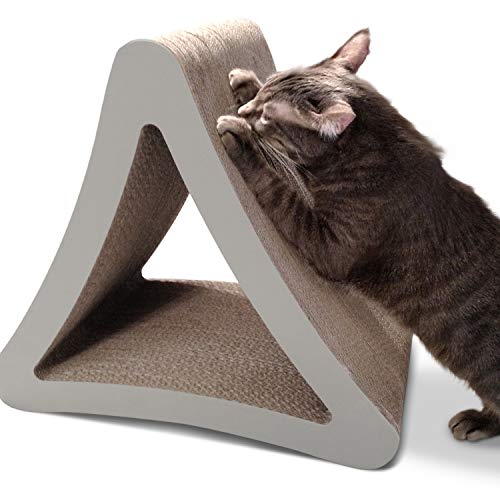
Using double-sided tape on the areas where your pet tends to scratch can create an unappealing texture that discourages them. Cats dislike the stickiness against their paws, prompting them to seek alternative surfaces.
Providing a dedicated scratching post is an excellent strategy. Opt for one that mimics the texture of the surfaces your pet enjoys damaging. Encouraging your feline to use this post can be achieved by sprinkling catnip on it or using toys to attract their attention.
Adjusting the environment by placing your pet’s favorite resting areas near the scratching post may entice them to use it more frequently. This leads to a new habit while keeping your belongings safe.
Finally, consider using deterrent sprays that are safe for pets. These products emit scents that cats find unpleasant, steering them away from unwanted behaviors while allowing them to explore new scratching options safely.
Redirecting Attention to Alternatives
Offer your pet a variety of appealing scratching surfaces like sisal-covered posts, cardboard scratchers, or soft mats. Place them strategically near areas of interest to encourage the shift. Monitor their interaction and adjust placements as needed to suit their preferences.


Use of Distraction Techniques
Incorporate toys that engage and excite. Interactive options, like laser pointers or feather wands, can draw attention away during moments of scratching. Rotate toys regularly to maintain interest and keep playtime fresh.
Positive Reinforcement
Acknowledge and reward preferred behavior. Small treats or affection whenever your pet uses the designated scratching post reinforces the behavior you want to encourage. Consistency in rewards is key for long-term results.
Identify Your Pet’s Scratching Preferences
I recommend observing your furry companion’s behavior to understand their specific tendencies. Take note of where they prefer to dig their claws–this could be in specific corners, on particular types of surfaces, or even on certain materials.
To gain insight into their likes, consider the following:
- Texture: Monitor which surfaces seem to attract them. Do they gravitate towards soft materials like upholstery or coarse textures such as sisal?
- Location: Note if they like elevated spots, such as the backs of sofas or high perches, and whether they prefer sunny areas or secluded spots.
- Time of Day: Track when they tend to engage in this behavior. Is it more frequent during your absence or at specific times of day?
Creating an environment that caters to these preferences is key. Introduce alternative options that mimic their favorite textures and locations. For example, if they’re drawn to soft surfaces, a plush scratching post might be enticing.
Use toys and treats to reward them when they engage with the new items instead of your belongings. This positive reinforcement can help encourage the desired habits.
Adapting your strategy based on your observations will help shift their interest away from unwanted targets towards appropriate ones.
Choose the Right Scratching Post for Your Pet
Select a post that is tall enough for my furry friend to stretch fully while using it. Aim for a height of at least two to three feet, depending on their size. Stability is key; I prefer sturdy options that won’t topple as they enjoy their time.
Material plays a significant role. I notice some enjoy sisal-coated posts, while others prefer cardboard or wood. Offering a variety helps discover their favorites. Ensure the textures are engaging, as this entices my companion to use the post instead of the couch.
Shape matters too. I often find that vertical and horizontal styles appeal differently. Vertical posts allow for stretching, while horizontal ones suit those who like to scratch while lying down. I experiment by placing both types within easy reach to observe their preferences.
Positioning is crucial as well. Placing the post near their favorite lounging spots can encourage usage. I move it close to the objects they tend to scratch, ensuring they associate the new post with comfort and play.
Lastly, design can affect my pet’s interest. I look for visually appealing posts that complement my home decor, but functionality comes first. A post that catches my pet’s attention, both visually and tactically, is far more likely to keep them engaged over time.
Apply Deterrents to Your Furniture
I recommend using double-sided tape on the surfaces you want to protect. Cats dislike the sticky texture, which can discourage them from approaching those areas.
Try citrus scents as a natural repellent. Many felines avoid the smell of citrus, so using sprays or placing peels on your furniture can help keep them away.
Consider a commercial deterrent spray specifically designed for this purpose. Look for products that are safe for use around pets and apply them regularly to maintain their effectiveness.
Use visual barriers, such as furniture covers or sheets, to protect belongings. Cats often shy away from unfamiliar textures or appearances, so this can be an effective strategy.
Establish a designated area for play and exploration. By providing enticing alternatives, such as interactive toys, I can redirect their attention away from targets I want to protect.
| Deterrent Method | Description |
|---|---|
| Double-Sided Tape | Creates an unpleasant texture that discourages pawing. |
| Citrus Scents | Natural repellent that many cats find unappealing. |
| Commercial Sprays | Specialized products designed to deter feline behavior. |
| Visual Barriers | Using covers can prevent access to protected items. |
| Interactive Toys | Engages their curiosity and shifts focus from undesired areas. |
Encourage Use of Scratching Posts with Catnip
To entice my feline friend to explore and utilize the scratching posts, I sprinkle catnip on them regularly. The enticing aroma instantly attracts attention and encourages interaction. I ensure to apply a fresh layer frequently, especially after noticing my pet has ignored the posts for a while.
I also rub the catnip into the fabric or surface of the post, allowing the scent to release gradually. This method seems to make the posts more appealing compared to non-treated options. For added interest, I sometimes mix in catnip spray for those moments when I need a stronger scent boost.
In addition, positioning the posts in areas where my companion loves to spend time enhances the likelihood of engagement. I place toys infused with catnip nearby, providing an interactive experience that draws my pet to the designated scratching zone.
As this reinforces the notion that the scratching area is both fun and rewarding, my goal is to create a positive association with the post as an alternative to my cherished furniture. Regularly rewarding my pet with treats when they use the scratching post also reinforces this behavior.
Establish a Routine for Positive Reinforcement
Create a structured schedule for rewarding desired behaviors. Consistency is key when teaching new habits to your feline friend.
Implement Regular Rewards
Set specific times throughout the day to engage with your pet. Every time they successfully use their designated scratching post, offer a treat or affection. This builds a positive association with the preferred behavior.
- Choose high-value rewards, such as their favorite treats or extra playtime.
- Use a clicker or specific verbal cue to indicate correct behavior.
- Ensure that the rewards are immediate, so they connect the action to the positive outcome.
Maintain Consistent Timing
Stick to a routine regarding feeding and interactive play sessions. This helps to create a predictable environment and reinforces good habits over time.
- Feed at the same times each day to establish a rhythm.
- Engage in play sessions before and after meals to channel energy positively.
- Rotate reward types occasionally to keep your pet intrigued and motivated.
Building a routine not only aids in forming good habits but also strengthens the bond you share. Celebrate small victories together, and keep the experience enjoyable for both of you.
Monitor and Adjust Your Strategy as Needed
I continually observe my pet’s behavior to assess whether the methods I use are working. Regularly checking how much time is spent on designated posts versus undesired surfaces gives me insight into what adjustments are necessary.
When I notice any signs of disinterest in scratching alternatives or a resurgence in unwanted habits, I modify my approach. This may involve repositioning scratching posts to more strategic locations or introducing new textures and styles that appeal more to my pet’s natural instincts.
Track Progress
Keeping a log of any changes helps me understand patterns over time. I note when behaviors change, which aids in fine-tuning my plan. For instance, if adding catnip increases usage, I make that part of the routine, ensuring the posts remain appealing.
Be Patient and Flexible
Patience is key. I remind myself that changes won’t happen overnight. If a particular method doesn’t yield results, I remain open to experimenting with different deterrents or incentives until I find what resonates best.


