
 Caleb Turner

First, select the right fabric that can withstand the elements. I recommend using durable, water-resistant materials like outdoor polyester or canvas. These fabrics not only resist fading but are also easy to clean. Look for options with UV protection to keep colors vibrant throughout use.
Next, take precise measurements of your seating. Accurate dimensions ensure a perfect fit for your newly crafted cushions. Don’t forget to account for any depth and contour of the furniture pieces–you want a snug fit that looks professional.

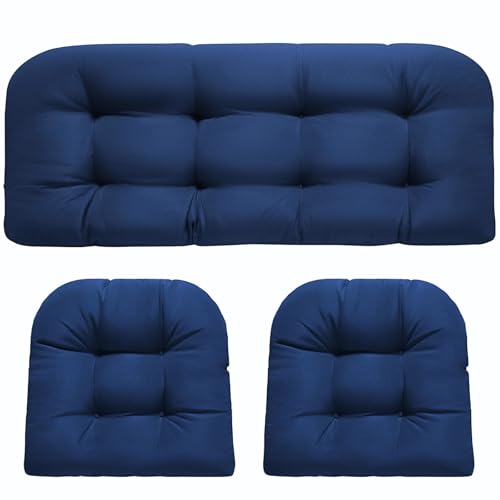
When choosing filling, opt for high-density foam or polyester batting. Both choices provide ample comfort while maintaining shape after prolonged use. Cut the foam to match the cushion dimensions, adding a few extra inches around the edges for a plush look.
Assemble your pillow cover by sewing fabric pieces together, leaving an opening for the stuffing. Use weather-resistant thread to enhance durability. After inserting the filling, secure the opening with a strong seam to protect against wear and tear. With a bit of effort, you’ll achieve stylish and functional additions to your outdoor space.
Choosing the Right Fabric for Outdoor Cushions
Selecting the correct material is pivotal for longevity and comfort. I prefer fabrics that are specifically designed for exposure to sunlight and moisture. Look for UV-resistant textiles; they prevent fading and deterioration caused by direct sunlight. Polyester and acrylic are great candidates due to their durability and water-repellent properties.
Water Resistance
Opt for water-resistant or quick-drying fabrics. When water soaks into the material, it can lead to mold and mildew, which is a hassle to clean. Fabrics treated with water-repellent finishes or those with inherent moisture-wicking abilities are wise choices. Check if the label mentions these qualities for assurance.
Ease of Maintenance
Consider the ease of cleaning. Some fabrics require special care while others can be wiped down with mild soap and water. I tend to choose materials that allow for easy spot cleaning or come with removable, machine-washable covers. Stains and spills happen, so choosing fabrics that resist staining simplifies the upkeep process.
Measuring Your Outdoor Furniture for Accurate Cushion Sizing
To achieve a perfect fit, I begin by capturing precise measurements of the seating area. I take note of the following dimensions:
- Width: Measure the distance across the seating surface, from one side to the other.
- Depth: Determine how far back the cushion will extend, measuring from the front edge to the back.
- Height: For cushions that will rest on a structure, measure from the bottom to the top of the surface where the cushion will be placed.
It’s critical to include any curves or contours in the design. I use a flexible measuring tape for these areas. In cases where the furniture has armrests or backrests, additional measurements are needed:
- Armrest Height: Measure from the seat surface to the top of the armrest.
- Backrest Height: Measure from the seat surface up to the top of the backrest.
I always check for irregular shapes or angles, which might necessitate custom patterns to ensure proper coverage. To avoid errors, I find it helpful to note down measurements immediately after taking them.
Before finalizing the cushion dimensions, I lay down a piece of paper over the furniture and outline the shape. This visual reference helps clarify the necessary adjustments.
Finally, I re-confirm all dimensions to guarantee accuracy prior to cutting any materials. Double-checking measurements can save time and resources, preventing mishaps later in the process.
Cutting the Fabric and Foam to Fit Your Measurements
First, prepare the workspace. A flat surface free of clutter allows for accurate and safe cutting. Use a utility knife or rotary cutter for fabric, and an electric knife or foam cutter for the foam. Ensure your tools are sharp for clean edges.
Lay out the fabric, wrong side up, and position the foam on top. This placement aids in visualizing the final dimensions. Mark the required size on both the fabric and foam, leaving an extra inch on all sides for seam allowances if sewing. Use a straight edge to guide the cutting tool along your marks, ensuring precision.
When cutting the foam, follow the same measurement strategy. If using multiple foam layers for thickness, cut each to the same dimensions. For contoured pieces, trace the shape with a marker before cutting. Take care to cut slowly, especially when sculpting edges or curves.
For fabric, keep the grain line in mind. Cutting along the grain ensures the material maintains its shape and drapes correctly. If your design includes patterns, make sure to align them properly before marking and cutting.
After cutting, inspect all pieces for consistency. Adjust any discrepancies to avoid fitting issues later. Proper preparation at this stage simplifies the assembly process, resulting in a neater final result.
Sewing techniques for durable outdoor cushions
Utilizing a zigzag stitch along the edges of all pieces enhances the durability of seams, preventing fraying and ensuring a robust finish. I opt for marine-grade thread, which resists UV rays and moisture, extending the lifespan of the stitching.
For a professional approach, I implement French seams. This technique encases raw edges, resulting in a clean and refined look while providing extra strength against wear and tear. It’s especially useful for heavier fabrics that might otherwise stretch at the seams.
Adding double stitching to critical stress points minimizes the risk of splitting. After securing each seam, I reinforce corners with an extra layer of stitching to handle increased pressure during use.
When attaching zippers for removable covers, I prefer to use an open-end zipper, ensuring functionality and ease of cleaning. Securing the zipper with a straight stitch before finishing prevents any shifting during the final assembly.
To improve overall weather resistance, I take care to seal seams with waterproof seam tape. This is particularly beneficial for areas exposed to rain or humidity, providing an additional layer of protection against moisture intrusion.
Finally, I always wash and pre-shrink fabrics before cutting and sewing. This process reduces the risk of distortion after the cushions have been finished, ensuring a lasting fit on the furniture.
Adding Waterproofing and Weather-Resistant Features
To ensure longevity against moisture and weather elements, applying a waterproofing treatment is crucial. I recommend using a fabric protector spray specifically designed for outdoor textiles. This can provide a water-repellent layer, preventing liquid from soaking through. Before application, clean the material thoroughly and allow it to dry completely.
Using Water-Resistant Fabrics
Select materials such as solution-dyed acrylic or polyester, known for their durability and resistance against fading and mildew. These fabrics have a tighter weave, which helps to repel water more effectively than standard upholstery fabrics.
Incorporating Moisture Barriers
Another option is to include a moisture barrier layer within the cushion design. A thin sheet of waterproof vinyl can be placed between the foam and the fabric, creating an additional protective layer. This is particularly advantageous in humid climates or for areas prone to rain.
Finally, always check the care instructions for any chosen treatments to ensure they do not adversely affect the fabric’s properties. Regular maintenance, such as reapplying the waterproofing spray annually, will significantly enhance the durability and performance against the elements.
Maintenance and Cleaning Tips for Your Cushions
To keep your seating pads looking fresh, I suggest regular spot cleaning with a mild detergent mixed with water. Use a soft cloth or sponge to gently scrub stains, then rinse with clean water and let them air dry completely.
Routine Care
Brushing off debris like dirt and leaves after use helps prevent grime build-up. Occasionally, place your inserts in a well-ventilated area under sunlight to eliminate moisture and reduce odors.
Washing Guidelines
For deeper cleanings, check the manufacturer’s instructions regarding fabric care. Most cushion covers can be removed and machine washed. Use cold water on a gentle cycle and avoid bleach. Always hang to dry to maintain shape.


