
 Caleb Turner
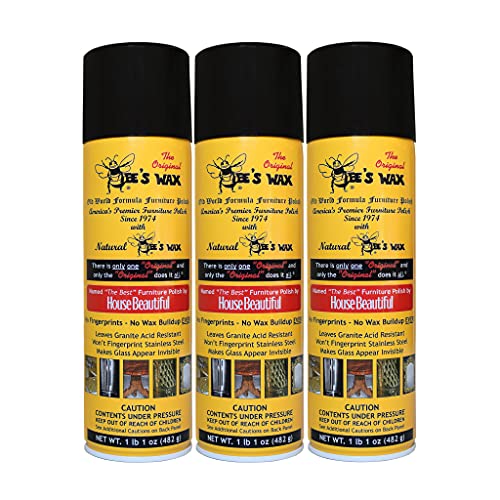
To achieve a rich and deep finish on your wooden pieces, I recommend blending natural ingredients that enhance the wood’s character while providing protection. Start with a combination of beeswax and a suitable oil such as walnut or linseed to create a smooth, glossy surface.
Measure equal parts of beeswax and oil. Gently heat the beeswax until it liquefies, then stir in the oil until the mixture is well combined. This ratio allows for easy application and a lasting coat. For added pigmentation, incorporate a small amount of black pigment or activated charcoal, ensuring it’s thoroughly mixed for an even color.
Once cooled, transfer the paste into a clean container for storage. Application requires a soft cloth or brush; apply it in a circular motion, allowing the concoction to seep into the wood grain. Allow the surface to rest, then buff with a dry cloth to bring out a natural sheen.
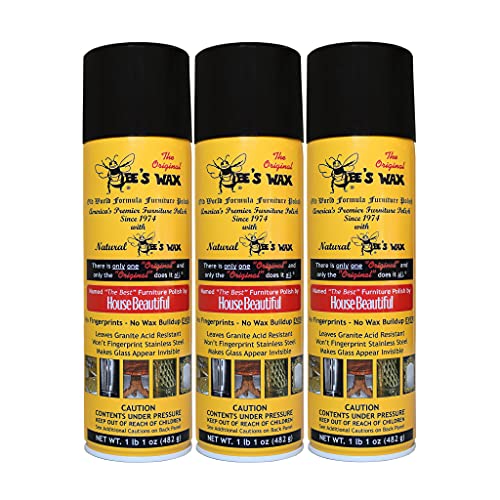

Gathering Necessary Materials for Dark Finishing Compound
The formulation consists of several key ingredients. First, you’ll need a blend of natural oils such as beeswax and carnauba wax, which provide a protective coat while enhancing the sheen. You should acquire about 1 cup of beeswax, typically found in craft stores or online. Next, obtain carnauba wax; a few tablespoons will suffice.
Choosing Pigments
For that deep hue, select an appropriate coloring agent. Use powdered charcoal or black dye concentrated enough to achieve the desired darkness. Ensure that the pigment is compatible with the oils to maintain consistency.
Tools and Equipment
Essential tools include a double boiler for melting the wax, a sturdy spatula for mixing, and a container for storage, preferably glass or metal to resist heat. Consider latex gloves to maintain cleanliness during the process.
Accumulate all these supplies before proceeding to create the blend, as having everything at hand simplifies the task, ensuring a seamless experience. The right ingredients and tools will lead to an optimal outcome in achieving your desired finish.
Choosing the Right Type of Finish for Your Project
I recommend selecting a blend that suits the desired hue and sheen. Consider using a combination of natural and synthetic components, as this can enhance durability while maintaining an authentic appearance.
If you aim for a richer tone, opt for a darker blend of beeswax mixed with either a dye or pigment suited for woodworking. This approach provides depth and enriches the natural grain of the timber.
An alternative is using carnauba, known for its glossy finish and water resistance, when seeking a shinier outcome. Combining it with softer ingredients can create a balanced glow without excessive shine.
Test different formulations on a sample piece before applying to your main project. This ensures the final look aligns with your expectations, allowing adjustments as needed.
Pay attention to the application method; using a soft cloth can directly impact the outcome. For a more polished finish, work in small sections and buff as you go.
Lastly, consider the intended use of the item. Selecting a finish appropriate for high-traffic areas will extend the life of your creation, safeguarding it against wear and environmental factors.
Mixing Pigments to Achieve the Desired Shade
I prefer using a combination of natural and synthetic pigments to create a deep, rich tone. Start with combining equal parts of carbon black and umber for warmth in the final shade.
Recommended Pigments
- Carbon Black: Provides a strong base and excellent opacity.
- Burnt Umber: Adds depth and warmth to the overall blend.
- Payne’s Grey: This can introduce subtle cool notes.
- Bone Black: Useful for a softer, more muted finish.
For best results, follow these steps:
- Mix carbon black with burnt umber in small amounts, adjusting to reach the desired tone.
- Add a touch of Payne’s Grey if additional coolness is needed.
- Test on a sample piece to ensure the shade matches expectations before committing to larger batches.
Proportions Matter
The right proportions are key. Start with a base of 1 part carbon black to 1 part burnt umber, then adjust according to your project needs. A small addition of other pigments should be done incrementally, as they can significantly alter the outcome.
Consistency in mixing is crucial. Make sure to document your ratios as you refine your mixture, allowing for easy replication in future endeavors.
Applying Dark Finish Correctly on Surfaces
Before starting, ensure the piece is clean and free of dust. Use a soft cloth to wipe down the surface to guarantee optimum adhesion of the coating.
Using a high-quality applicator, such as a natural bristle brush or a microfiber cloth, I choose a small area to work on at a time. This approach allows for better control and more even application. I dip the brush or cloth into the mixture, then remove excess to avoid thick layers. A thin, even coat provides a more polished appearance.
Technique for Application
I apply the compound in circular motions or along the grain, depending on the desired effect. Working with the grain typically enhances natural patterns, while circular motions can create a more uniform layer. After applying, I let it sit for a few minutes to allow it to penetrate the surface.
Next, using a separate clean cloth, I buff the area in the same direction as the grain to remove any excess and to create a smooth finish. This step will also highlight the depth of color, allowing the finish to showcase the character of the wood.
Final Touches
After the initial layer dries, I inspect the surface. If deeper color is desired, I repeat the application process. Typically, waiting 24 hours for complete curing before using the item again yields the best results. Regular maintenance with a fresh coat enhances longevity and keeps the surface looking vibrant.
Tools Needed for Buffing and Finishing the Waxed Surface
For achieving a smooth, lustrous finish on treated surfaces, specific tools enhance the final appearance. I recommend gathering the following items:
| Tool | Description |
|---|---|
| Buffing Pad | Utilize a soft buffing pad, preferably made of microfiber or 100% cotton, to gently polish the applied mixture and reveal the desired sheen. |
| Drill or Buffer | A variable speed drill with a buffing attachment can speed up the process, providing consistent and even results across the entire surface. |
| Hand Buffing Cloth | Employ a clean, lint-free cloth for hand-buffing any areas that require detailed attention, ensuring no residues remain. |
| Sandpaper | Fine-grit sandpaper is essential for preparing the surface prior to treatment, allowing for enhanced adhesion and final appearance. |
| Applicator Brush | A high-quality brush helps in applying the mixture into intricate details and corners, ensuring complete coverage. |
| Protective Gear | Always use gloves and a mask to protect your skin and respiratory system while working with chemicals and dust during preparation and finishing stages. |
Having these tools ready will streamline the process and ensure a professional-level finish on all your projects.
Maintenance Tips for Preserving Dark Finishes on Wood Surfaces
Regularly dusting treated surfaces with a soft, lint-free cloth helps maintain their appearance. This prevents the accumulation of dirt and grime that can dull the finish over time.
Reapplication Frequency
Apply a fresh coat of the mixture every six months to a year, depending on the wear and tear the piece experiences. High-traffic items may require more frequent treatments.
Cleaning Agents
Avoid abrasive cleaners; opt for mild soap and water solutions. Always ensure the surface is thoroughly dry before reapplication to avoid trapping moisture, which can damage the wood.
Keep pieces away from direct sunlight and extreme temperatures to prevent fading and cracking. For optimal protection, use felt pads under decorative items to minimize scratches and wear.
Where applicable, consider using coasters and placemats to shield surfaces from spills and heat. This proactive measure extends the longevity of the finish applied.
In case of minor scuffs or scratches, gently buffer the affected areas with a cloth and a small amount of the treatment to restore the sheen and color.


