
 Caleb Turner
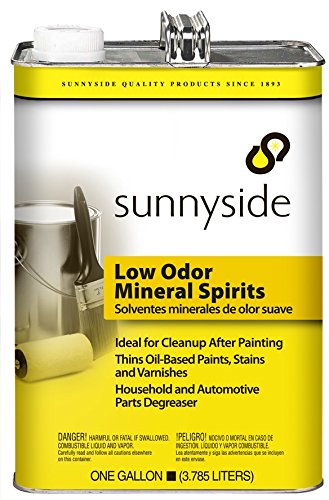
I found a reliable method to tackle those stubborn marks left behind by acetone-based products. Start with a clean, soft cloth; dampen one corner slightly with warm water. Gently blot the affected area, avoiding any rubbing that could damage the finish.
If the stain persists, mix equal parts olive oil and vinegar in a small bowl. Use a clean cloth to apply the mixture directly onto the stained spot, wiping in the direction of the wood grain to ensure even distribution. Allow it to sit for a few minutes before buffing with a dry cloth.
For deeper stains, a baking soda paste can work wonders. Combine baking soda with a few drops of water to form a thick paste, then apply it to the mark. Let it sit for about 10 minutes, and then gently wipe it away with a damp cloth. Always test any solution in an inconspicuous area first to avoid further damage.
Identify the Type of Wood Finish on Your Furniture
To successfully address stains on surfaces, I first determine the finish type. Common finishes include polyurethane, lacquer, oil, or varnish. Checking involves examining the surface color and sheen. A smooth, glossy appearance usually indicates polyurethane or lacquer, while a more natural look may suggest an oil or wax finish.
I gently rub my fingertip over the area to feel for texture differences. If it feels tacky or sticky, it could be varnish or a water-based finish. If the surface is porous, it’s likely an oil finish, which tends to soak in and feel different from the rest of the surface.


A drop of water can also help. If it beads up, the seal is likely intact, pointing towards a water-resistant finish like polyurethane. If the water gets absorbed, the finish may be compromised or an oil finish, requiring a different cleaning approach.
Using a small amount of mineral spirits on a hidden area reveals more. If it evaporates quickly and doesn’t leave residue, then lacquer or water-based finishes are prominent. In contrast, any oily texture suggests an oil or wax finish.
This identification step is critical for choosing the right cleaning or restoration method, ensuring that I don’t damage the surface further while addressing the issue.
Gather Necessary Cleaning Supplies
Begin with a microfiber cloth; it’s safe for surfaces and effectively absorbs liquids. Next, grab a soft sponge to have an additional option for scrubbing gently without damaging the finish.
Additional Materials
Include distilled white vinegar or rubbing alcohol as alternatives for cleaning solutions. Both are effective at breaking down residue without harming surfaces. A small bowl is helpful for mixing cleaning agents and a dropper will allow for precise application.
Finally, consider using a wood conditioner. This can restore moisture and protect the sheen after cleaning. Keep all these items within reach to ensure a smooth cleaning process.
Test Cleaning Solution on a Hidden Area
I recommend selecting a discreet corner or underside of your item for this test. Apply a small amount of the chosen cleaning solution using a soft cloth or cotton swab, ensuring not to saturate the surface. Allow it to sit for a few minutes, then gently wipe it away to observe any effects on the finish.
Check for discoloration, damage, or any adverse reactions in the test spot. If the area remains unaffected, it’s likely safe to proceed with cleaning the larger surface. In case of any negative changes, discontinue use of that solution immediately and try an alternative approach.
Apply the cleaning solution carefully
Using the cleaning mix requires a steady hand. Dampen a soft cloth or cotton ball with the solution, ensuring it is not saturated. Too much liquid might seep into the surface, potentially damaging the underlying material.
Technique for Application
- Start at the edges of the stain and move inward. This prevents spreading.
- Gently rub the area in a circular motion, applying light pressure.
- Check frequently to assess the progress and avoid over-scrubbing.
If the stain remains, repeat the process with minimal solution. It’s important to remain patient, as excessive force can lead to further issues.
Final Touches
- After the stain is gone, use a damp cloth with plain water to remove any cleaning residue.
- Dry the surface gently with a clean, lint-free towel.
- Consider applying a moisturizer or wax to help restore the surface’s original shine and protect it from future damage.
This careful approach helps ensure a successful removal while preserving the integrity of your item’s surface.
Blot the Area Instead of Rubbing
When dealing with an unwanted substance on my cherished surface, I find that blotting is far more effective than rubbing. Using a clean, soft cloth or paper towel, I gently press it against the affected portion. This method absorbs the liquid without pushing it deeper into the finish.
Why Blotting Works
This technique minimizes the risk of damaging the protective layer. Rubbing can create scratches and might spread the liquid even further. Instead, I allow the cloth to soak up as much of the spill as possible. If the initial blot isn’t enough, I switch to a fresh area of the cloth to prevent transferring any residue back onto the surface.
Step-by-Step Blotting Approach
I start by placing the cloth directly on the spot, applying gentle pressure. If needed, I repeat this process, ensuring I don’t scrub. Once I’m confident that I’ve lifted a significant amount, I check if the stain has lessened. If traces remain, I can then consider applying a suitable cleaning solution for further treatment.
Use a Soft Cloth for Final Cleaning
I always finish the cleaning process with a soft, lint-free cloth. Using this type of cloth ensures that I don’t scratch or damage the surface of the material. Microfiber cloths are excellent choices due to their softness and absorbency.
Steps for Final Cleaning
After the application and blotting process, I follow these steps:
| Step | Action |
|---|---|
| 1 | Gently wipe the newly cleaned area with a damp soft cloth. |
| 2 | Use a dry corner of the cloth to buff the surface lightly. |
| 3 | Ensure that no moisture remains on the surface to avoid damage. |
This method not only aids in removing any remaining residue but also helps restore the sheen of the finish. Regular maintenance will enhance the longevity and appearance of the material.
Restore the wood finish if needed
If the surface shows signs of damage, I first assess the extent of the issue. Minor scratches can often be repaired using a color-matched wood stain, applied with a soft cloth. I ensure to follow the grain when applying the stain for a seamless blend.
For deeper imperfections or if the finish is cloudy, I utilize a fine-grit sandpaper. Lightly sanding the affected area helps in smoothing the surface. Afterward, I clean off any dust with a damp cloth and let it dry completely.
Once dry, applying a suitable finish is crucial. I opt for a polish or sealant that complements the existing sheen. Using a soft cloth, I apply the product in gentle, circular motions to restore luster.
After the application, I give enough time for the finish to dry naturally, ensuring that I avoid placing items on the treated area until it’s fully cured. This careful approach guarantees that the restoration not only looks good but also protects the surface for the future.
Prevent Future Spills on Furniture
Place a protective covering on surfaces where you apply solvents. This can be a simple tablecloth or a specialized mat designed for such activities.
Consider using trays or containers to hold items that might leak or spill, ensuring any drips are contained.
Maintain a dedicated area for activities involving solvents, and keep it well-organized to minimize the risk of accidental spills.
- Use coasters and placemats for drinks and other items that may cause damage.
- Regularly inspect and maintain protective coatings on surfaces.
- Educate all household members about the importance of being careful around sensitive areas.
Establish a cleaning routine to quickly handle any inevitable minor spills before they cause lasting damage.
Store all cleaning supplies and solvents out of reach of children and pets to prevent unwanted accidents.


