
 Caleb Turner

The quickest way to address a stain caused by a bodily fluid is to act swiftly with cold water. As soon as you notice the spot, blot it gently with a clean cloth or paper towel to absorb excess liquid without rubbing, which can make the issue worse. A solution of cold water can then be applied to the affected area.
For a more thorough approach, mix a tablespoon of mild dish soap with two cups of cold water. Using a soft cloth, dab the mixture onto the stain, working from the outside inward to prevent spreading. After a few minutes, I recommend gently blotting again with a fresh damp cloth to lift the residue of soap and stain from the material.


If the blemish persists, a mixture of equal parts water and white vinegar can be effective. This solution not only acts as a cleaner but also helps neutralize odors. Apply it in the same manner as mentioned above, and finish by rinsing with clean water.
Always test any cleaning solution on an inconspicuous section first to ensure there’s no adverse reaction. Finally, let the upholstery air dry completely, avoiding direct heat sources to prevent damage.
Removing Stains from Upholstered Surfaces
First, grab some cold water and a clean cloth. Dampen the cloth with the cold liquid and gently blot the stained area. Avoid rubbing, as this can spread the stain or push it deeper into the fibers.
Next, mix a solution of one tablespoon of liquid dish soap and two cups of cold water. Using a new clean cloth, dip it into this solution and blot the stain again. Work from the outside of the stain towards the center to prevent spreading.
Utilizing Other Cleaning Agents
If the stain persists, I recommend using hydrogen peroxide. Apply a small amount directly onto the cloth and gently dab onto the affected area. Allow it to sit for a few minutes before blotting with a fresh damp cloth.
Final Steps
Once the stain appears to be fading, rinse the cleaned area with a cloth dampened in cold water to remove any leftover cleaning solution. Let the surface air dry completely, and if needed, vacuum the area to lift the fibers back into place.
Always test any cleaning solution on a hidden area before applying it to visible sections to prevent damage. Maintaining care for the fabric will ensure its longevity and appearance.
Identify the Type of Upholstery Fabric
First, I check for fabric labels that provide crucial information about the material composition. Understanding whether it’s cotton, polyester, leather, or a blend influences the cleaning approach. Each type reacts differently to various cleaning agents.
Common Fabric Types
- Cotton: Absorbs liquids and may stain easily. Use cold water and gentle cleaners.
- Polyester: Resistant to shrinking and fading, easier to clean. Mild detergents work well.
- Leather: Requires specific leather cleaners to avoid damage. Use a damp cloth for light spots.
- Wool: Prone to shrinkage; utilize cold water and wool-safe products.
- Microfiber: Durable and stain-resistant. A damp cloth or specific microfiber cleaner is ideal.
Testing the Fabric
If unsure, I perform a simple test: dab a small, inconspicuous area with water and observe the reaction. If it repels water, it’s likely treated or synthetic; if it absorbs, it’s a natural fiber.
In circumstances where there is no label or clear identification, consulting with a professional may be beneficial. Misinformation can lead to damaging your item further.
Gather Necessary Cleaning Supplies
For tackling any stains, I prepare a few key cleaning items to ensure a thorough approach. Here’s a concise list of what I find indispensable:
- Cold Water: A crucial component, as it helps to dilute any substances without setting the stain.
- Soft Cloths or Paper Towels: For blotting and absorbing excess liquid, I prefer lint-free options to avoid leaving fibers behind.
- Dish Soap: A mild detergent is effective for breaking down proteins found in most stains.
- Hydrogen Peroxide: This gentle bleaching agent works wonders on many fabrics, but I always test a small area first.
- Baking Soda: Known for its absorbent qualities, it can assist with stubborn marks by creating a paste with water.
- White Vinegar: A natural cleaner that can help lift stains and neutralize odors.
Optional Additions
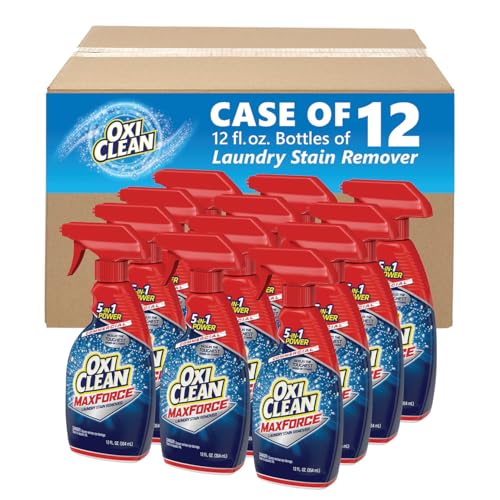
- Stain Remover Spray: If particularly challenging marks arise, a commercial option may offer enhanced results.
- Gloves: Protecting my hands while cleaning ensures comfort and hygiene.
Preparing these supplies in advance saves me time and makes the cleaning process smoother.
Blot the Stain Immediately
This technique requires quick action. I take a clean, white cloth or paper towel, ensuring it’s free from dyes that could transfer onto the material. Gently blot the mark, avoiding any rubbing, which may spread the residue further or push it deeper into the fibers.
<p For best results, I start at the outer edge of the stain and work my way toward the center, absorbing as much as possible. If the cloth becomes saturated, I switch to a dry area or use a fresh piece to prevent spreading.
<p I repeat this process until I see no more transfer of marks onto the cloth. If necessary, I dampen the cloth slightly with cold water, but I avoid soaking the area, as excess moisture can lead to other issues, like mold or mildew.
<p Acting quickly can significantly improve the chance of complete removal, making this initial step one of the most impactful in the cleaning process.
Prepare a Cleaning Solution for Fresh Stains
I mix cold water with a few drops of liquid dish soap in a bowl. This combination helps to create a gentle yet effective cleaner. If the fabric allows, I sometimes add a tablespoon of white vinegar, which enhances stain removal properties. I stir the solution gently to avoid excessive suds.
Testing the Mixture
Before applying the cleaning solution, I test it on a hidden area of the material to ensure it won’t cause any discoloration or damage. If the fabric shows no adverse reaction after a few minutes, I’m ready to proceed with the cleaning process.
Application Method
I dip a clean cloth into the solution, ensuring it’s damp but not soaking wet. I blot the affected area softly, allowing the cleaner to penetrate without rubbing harshly. This method helps lift the stain effectively without spreading it further.
Use Cold Water for Dried Stains
For any dried marks, I always begin with cold water. It’s effective for loosening particles embedded in the fabric. I take a clean cloth or sponge and dampen it with cold water. Gently dab the area, making sure not to rub, as this can spread the stain further.
Application Process
Following these steps has worked best for me:
| Step | Action |
|---|---|
| 1 | Dampen a cloth with cold water. |
| 2 | Gently blot the stained area. |
| 3 | Continue blotting until the spot lightens. |
Patience is key. If the stain doesn’t disappear, I might need to repeat the process or consider a solution specific to the fabric type. Rinsing the area with cold water after treatment helps remove any remaining residue.
Test the Cleaning Solution on a Hidden Area
Before applying any cleaning mixture, I always find a discreet spot on the fabric to conduct a test. This ensures that the solution won’t cause discoloration or damage. To do this, I take a small amount of the cleaner on a clean cloth or cotton swab and gently dab it on the hidden area. I then observe the reaction for a few minutes.
Evaluating the Reaction
After a few minutes, I check for any changes in color or texture. If the fabric appears unaffected, I proceed cautiously with the cleaning process on the stain. If the test site shows signs of damage or fading, I switch to a gentler alternative or reconsider my approach entirely.
Importance of this Step
This preliminary test is crucial, as it helps avoid potential mishaps that can result in more significant issues. It’s worth the extra effort to ensure that the chosen method will be safe for the material at hand.
Apply and Rinse the Stain Removal Solution
I apply the prepared cleaning mixture directly onto the affected area. It’s crucial to use a clean cloth or sponge to ensure even distribution without oversaturating the fabric. I gently dab the solution onto the stain, working from the outer edges towards the center to prevent spreading. Patience is key; I allow the mixture to sit for about 5 to 10 minutes to facilitate effective stain breakdown.
After the waiting period, I take a clean, damp cloth to gently blot the area. This step helps to lift the stain and excess solution away from the textile. I repeat blotting with fresh sections of the cloth as needed. Rinsing with cold water afterward is important; I ensure that all traces of the cleaning agent are removed. Excess solution left behind could cause discoloration or damage over time. I continue rinsing until I’m confident no residue remains, which helps maintain the integrity of the fabric.
Finally, I pat the area dry with a towel, being careful not to rub, as friction could harm the fibers. If necessary, I let the upholstery air dry completely before using the item again. This final step is essential to avoid any potential mildew or unwanted odors.


