Caleb Turner
Contact professionals known for meticulously safeguarding your belongings while enhancing your interiors. Gather reviews and testimonials that highlight their attention to detail and reliability. Ask about their specific procedures for wrapping and moving items, ensuring nothing gets damaged during the process.
Prioritize companies that provide comprehensive service packages, including furniture relocation and protective measures. It’s crucial to verify their insurance and experience level, which can prevent headaches and liabilities. A solid qualification will give confidence that your belongings will be treated with care and precision.


Engage in direct conversations to clarify their methods, such as the types of materials they use for covering items and their strategy for shifting larger pieces. This information can be pivotal in distinguishing between various options available in your area. Select a team that aligns with your needs and offers peace of mind throughout the project.
Identifying Local Painters with Furniture Moving Services
Research community directories for skilled decorators offering relocation assistance. I recommend trying platforms like Yelp or Angie’s List, filtering results for reviews related to handling possessions during the painting process.
Networking with local hardware stores can also yield referrals. Employees often know reputable craftsmen specializing in comprehensive care for interiors, including the safe transfer of items.
Examine social media groups focused on home improvement in your area. Engaging with recommendations in these communities may help uncover individuals or teams that prioritize customer service and respect for belongings.
Request estimates and inquire directly about practices for safeguarding items. An established expert should readily discuss their protocol for wrapping and safeguarding valuable possessions, assuring minimal disruption and potential damage.
Pursue testimonials from previous clients, particularly those emphasizing the handling of goods. This insight can indicate reliability and dedication to the task.
Consider reaching out to local real estate agents as well. They often collaborate with decorators and can provide trusted contacts known for thoroughness in their work.
Lastly, ensure any candidates possess valid insurance. This detail safeguards both parties against unexpected mishaps during the project.
Checking Reviews and Ratings for Reliable Contractors
Prioritize platforms like Yelp, Google Reviews, and Angie’s List. These sites provide insights from previous clients. Look for those with multiple positive evaluations and clear descriptions of their service quality.
Key Factors to Evaluate
- Overall rating: Aim for a minimum of 4 stars.
- Number of reviews: A contractor with numerous evaluations is often more trustworthy.
- Specific feedback: Focus on comments concerning handling belongings and cleanliness.
Questions to Consider
- How did past clients perceive their respect for property?
- Were there any reported damages or issues during past projects?
- Did reviews highlight punctuality and communication throughout the process?
Comparing multiple contractors based on these criteria can help narrow down choices in your locality. Make sure to check recent feedback, as it reflects current standards and practices. Avoid contractors with a pattern of negative comments related to handling possessions, as this could indicate potential issues for your own project.
Inquire About Insurance and Liability Coverage
Always ask for proof of insurance to ensure that the service provider can cover any potential damages during the job. A reputable service will have liability insurance, safeguarding both your property and their workers. Verify the policy details, particularly what it covers, and ensure there are no gaps that could leave you vulnerable.
Request Documentation
Request a copy of their insurance certificate. Confirm that it is current and valid. This documentation should clearly outline the coverage limits and any exclusions. If the service lacks insurance, I would consider this a red flag, as it may lead to liability for any incidents that occur on your premises.
Discuss Claims Process
Always clarify the process for filing claims. Understand the steps and requirements in the event of damage to your property. A transparent process indicates professionalism and preparedness for unforeseen issues. Knowing how quickly and efficiently they handle claims can also provide peace of mind.
Requesting Quotes with Detailed Furniture Protection Options
To ensure safety and security for my belongings during a painting project, I always ask for specifics regarding the methods and materials used for safeguarding my possessions. A clear communication of furniture handling is vital.
Key Questions to Ask
When reaching out for estimates, these inquiries help clarify the level of care provided:
- What type of protective coverings do you use for items like upholstery and hardwood surfaces?
- Are there designated procedures for relocating larger pieces, such as couches or dining tables?
- Do you offer storage services if needed during the process?
Sample Request Template
Utilizing a structured template can streamline the quoting process. Here’s a simple format:
| Service Needed | Details |
|---|---|
| Furniture Protection | Specify the items needing care, such as fragile antiques or large appliances. |
| Relocation Services | List any large furniture, noting any access issues. |
| Timeline | Indicate expected project duration and availability for moving items. |
Following a clear line of questioning and utilizing a structured request can enhance clarity and ensure my needs are effectively communicated. Such an approach not only aids in receiving accurate quotes but also builds trust with the service providers.
Evaluating Painters’ Experience with Furniture Moving
Assessing past projects is crucial; I recommend asking for specific examples where the team has relocated items during their painting jobs. Requesting a portfolio can provide insight into their handling techniques and any noteworthy challenges they addressed.
Questions to Ask
Inquire about the duration they’ve been operating in this capacity. A lengthy history often correlates with refined skills in item relocation. Additionally, I find it essential to discuss their methods for ensuring the safety of your valuables, such as techniques used for wrapping and securing items.
Certifications and Training
Verify if they possess any relevant certifications in furniture handling or care. Proper training can reflect a commitment to quality and detail that may be beneficial during the process. Don’t hesitate to seek clarification on any unfamiliar terms or procedures outlined in their explanations.
Understanding the Tools and Materials Used for Protection
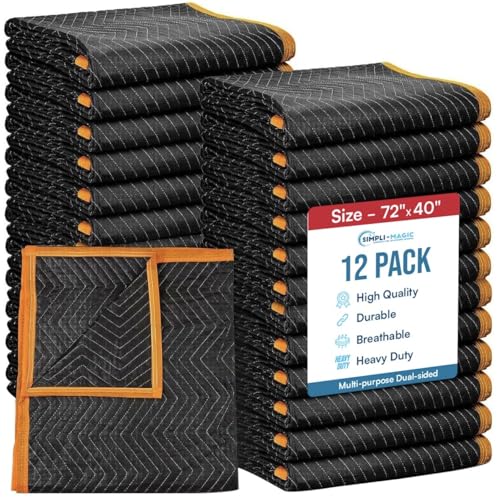
Preparation plays a significant role in safeguarding belongings during a painting job. Utilizing high-quality supplies ensures that items remain intact throughout the process. Common materials include furniture blankets, plastic wrap, and padded moving straps. Each serves a distinct purpose. For instance, blankets help cushion against scratches and dents, while plastic wrap secures smaller items and creates a barrier against paint spills.
Padded Moving Straps
Padded moving straps are essential for lifting and transporting heavier furniture. They distribute weight evenly, reducing strain and minimizing the risk of dropping the item. Using these straps allows for safe relocation without causing harm to the furniture or the floor.
Protective Floor Coverings
Floor protection is equally critical. Drop cloths and adhesive films prevent paint splatters from damaging carpets or hardwood floors. Choosing the right type based on the flooring material ensures surfaces remain clean and undamaged. Additionally, corner guards can protect walls from accidental bumps during movement, maintaining the integrity of your living space.
Scheduling a Consultation to Discuss Specific Needs
I recommend setting up a meeting with the service provider to dive into the particulars of your project. A face-to-face discussion allows for a clear exchange of expectations and requirements.
During this appointment, ensure to:
- Outline the items that will require handling during the process.
- Ask about their approach to safeguarding your possessions, including materials and techniques used.
- Discuss the timeline for the project and any potential disruptions to your daily routine.
- Express any concerns regarding high-value or fragile pieces that may need special attention.
It’s beneficial to provide visual examples or a brief sketch of the spaces involved, as this can help clarify your vision. Make a list of questions to cover topics like preparation methods, stacking techniques for safe transport, and any available options for added protection.
Following this consultation, request a detailed plan that includes steps they will take to ensure the secure handling of your belongings. This will establish a foundation for trust and ensure all parties are on the same page regarding expectations and processes.