Caleb Turner

Sealing all potential entry points should be the first step. Inspect areas around pipes, vents, and existing gaps in walls or eaves. Using materials like steel wool and caulk ensures that these vulnerable spots remain secure against infiltration.
Employing traps can serve as an effective method for management. Opt for snap traps, which are designed for quick results. Position them in locations where rodent activity has been noticed, ensuring they are away from pets and children for safety.

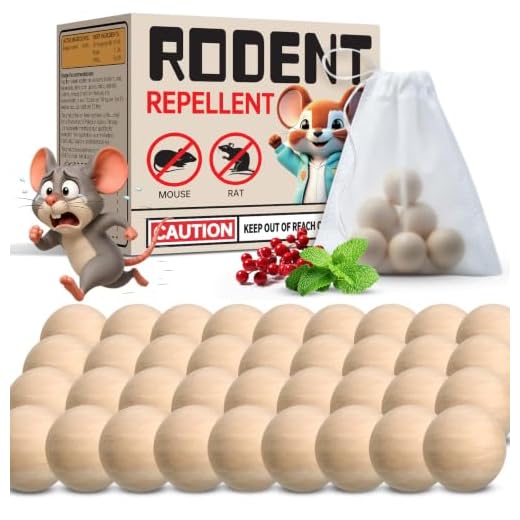

Utilizing natural deterrents can assist in keeping these nuisances at bay. Peppermint oil and ultrasonic repellers are popular choices among homeowners, providing an organic approach to discourage unwelcome visitors while also keeping the environment intact.
Regular maintenance of food storage is crucial. Keeping all food items sealed and stored in rodent-proof containers limits potential food sources. Additionally, ensuring that any spills or crumbs are promptly cleaned eliminates attractants.
Lastly, consulting pest control professionals for a thorough inspection can provide peace of mind. These experts can identify underlying issues and offer solutions tailored to the specific situation, ensuring a comprehensive approach to the problem at hand.
Identifying Signs of Rat Infestation
Pay attention to droppings resembling small black grains, typically found in areas where food is stored or on surfaces frequented by rodents. The presence of nests, constructed from shredded materials such as cardboard or insulation, indicates a breeding site.
Noises, such as scratching sounds or scurrying, often heard in ceilings or walls during the night, suggest activity from these creatures. Look for signs of gnawing on wood, plastic, or wires, which can cause damage.
Smudges or rub marks along walls, created by oils on the fur of these animals, may reveal frequently used pathways. An unpleasant odor can also signify an infestation, stemming from urine or nesting materials.
Monitor for tracks or footprints in dust or dirt; these will appear as small, elongated impressions. If any of these indicators arise, taking immediate action is essential to prevent further complications.
Choosing the Right Traps for Rats
For tackling unwanted rodents, selecting suitable traps is paramount. Snap traps represent one of the most widely utilized and straightforward options. Their efficiency lies in a quick kill mechanism, ensuring a swift end to the issue.
Glue boards serve as another alternative; however, these require careful placement, as they rely on the rodents’ movement into the adhesive area. Regular checks are essential to avoid prolonged suffering.
Live traps also exist, allowing capture without harming the animals. After catching, relocation is necessary, adhering to local regulations regarding wildlife release.
Consider the bait used for enticing these animals. Food options such as peanut butter, bacon, or dried fruit can enhance trap effectiveness, ensuring they are placed along common pathways.
Placement of traps is crucial. Positioning them in areas with droppings or chew marks increases the likelihood of success. Distributing traps in multiple locations can yield better results, especially when facing a substantial presence.
Safety must not be neglected. Ensure traps are out of reach of pets and children, preventing any accidents during the control efforts.
Choosing the appropriate method depends on individual circumstances, including preferences regarding humaneness and ease of use. Each type of trap has its advantages, allowing for flexibility in addressing concerns.
Sealing Entry Points to Prevent Access
Identify and seal all potential entry points. Examine walls, ceilings, and corners for gaps or holes connecting to the exterior. Common areas to check include:
- Ventilation ducts
- Electrical conduits
- Pipes and plumbing access
- Cracks in foundation or masonry
Utilize durable materials for sealing, such as:
- Steel mesh or hardware cloth for larger openings
- Expansion foam for smaller gaps
- Metal flashing to block off entryways
Ensure that all seals are fitted tightly to eliminate any potential for access. Inspect the roof and eaves for damage or gaps, which can serve as additional pathways.
Regularly monitor the sealed areas for signs of wear or damage, as maintaining these barriers is key to long-term prevention. Additionally, assess the exterior environment–trim overgrown vegetation and keep landscaping tidy to discourage nesting nearby.
Using Natural Repellents to Deter Rodents
Peppermint oil serves as an effective natural deterrent due to its strong scent. Soak cotton balls in peppermint oil and place them strategically in areas where sightings have occurred. Replenishing the oil every few weeks enhances its potency.
Another option involves using vinegar. Mixing equal parts of water and vinegar in a spray bottle can create a potent repellent. Spray this mixture on surfaces where rodents may have accessed.
Ultrasonic devices have gained popularity. These emit high-frequency sounds that are unpleasant for many types of wildlife. Positioning these devices in the attic may help to keep unwanted guests away.
Cayenne pepper can also be used; sprinkle it in entry points or areas where droppings are found. The strong odor and taste can discourage any potential invaders.
Consider employing cinnamon as a deterrent. Using powdered cinnamon in accessible areas offers a dual benefit of aroma and repulsion. Regular application ensures sustained effectiveness.
| Repellent | Application Method | Frequency of Reapplication |
|---|---|---|
| Peppermint Oil | Soak cotton balls and place them in strategic areas | Every 2-4 weeks |
| Vinegar | Spray mixture on surfaces | As needed |
| Ultrasonic Devices | Position in affected areas | Regularly checked for functionality |
| Cayenne Pepper | Sprinkle in entry points | After rain or cleaning |
| Cinnamon | Apply powdered cinnamon in accessible areas | As needed |
Setting Up Bait Stations Safely
Prioritize safety and effectiveness when installing bait stations. Choose locations that minimize risks to pets and children, such as high or hard-to-reach areas.
- Use tamper-resistant bait stations to prevent accidental exposure.
- Place stations along walls, in corners, or near identified nesting sites for increased success.
- Ensure bait is securely contained to avoid spillage and contamination.
- Regularly monitor stations, replacing bait as needed and ensuring they remain intact.
Check local regulations surrounding the use of rodenticides. Opt for environmentally safe products when possible to minimize ecological impact. Wear gloves while handling bait to maintain hygiene.
After placement, observe for signs of activity, adjusting positioning if necessary to enhance effectiveness. Avoid using bait stations in areas with heavy foot traffic to maintain safety protocols.
Cleaning and Sanitizing the Loft Area
Begin with wearing protective gear such as gloves and a mask to minimize exposure to pathogens and allergens. Remove all items stored in the space, ensuring to check for any signs of contamination or nesting materials.
Vacuum the entire area using a vacuum equipped with a HEPA filter to trap fine particles, including droppings and nesting debris. After vacuuming, dispose of the vacuum bag in a sealed plastic bag.
Utilize a disinfectant spray to treat surfaces where rodent activity was observed. A solution of bleach and water or commercial disinfectants can be effective. Make sure to follow the manufacturer’s instructions for dilution and contact time.
Focus on areas like rafters, beams, and insulation, as these are common spots for rodent habitation. After disinfecting, thoroughly ventilate the area to ensure any lingering odors or toxins dissipate.
Once cleaned, consider installing traps or deterrents to discourage future inhabitants. Regular inspections should follow to maintain cleanliness and prevent reoccurrence of issues.
Regularly monitor any entry points or potential nesting areas, ensuring to keep the space tidy and free from food sources that could attract new inhabitants.
| Items Needed | Purpose |
|---|---|
| Protective Gloves | To prevent contamination during cleaning |
| Mask | To avoid inhaling harmful particles |
| HEPA Filter Vacuum | For effective removal of debris |
| Disinfectant Spray | To sanitize surfaces |
| Sealant | To close entry points post-cleaning |
When to Call in Professional Exterminators
Immediate assistance is necessary if there are visible signs of a large infestation or if multiple traps fail to catch any specimens after several days. A professional assessment helps determine the extent of the problem and the best course of action for removal.
Health Hazards and Risks
If droppings or urine are discovered, it’s imperative to seek expert help. These droppings can carry diseases, and handling them without proper gear poses health risks. Professionals have the necessary equipment for safe removal and sanitization.
Complexity of the Situation
In cases where the infestation appears deeply rooted or there are signs of nesting materials, specialized knowledge is crucial. The use of advanced techniques and tools may be required to handle the situation efficiently, ensuring all entry points are securely addressed.
Implementing Ongoing Prevention Strategies
Establishing a regular maintenance schedule is crucial. Inspect the area frequently, focusing on potential entry points and any signs indicating re-infestation. Implement a routine of checking traps and bait stations to ensure they remain functional.
Environmental Modifications
Maintain a clean environment. Store food in airtight containers and remove any debris or clutter that can attract rodents. Regularly clean using a disinfectant to eliminate odors that may entice these animals back.
Community Awareness
Engage neighbors in discussions about prevention methods. Share insights on sealing gaps, maintaining cleanliness, and proper waste disposal. A community-focused approach enhances the likelihood of reducing issues across the board.
Consider implementing landscaping adjustments, such as trimming trees and bushes that may provide access to rooftops and upper areas. Additionally, ensuring that gutters are cleared prevents water accumulation that can become a breeding ground for various pests.
By remaining vigilant and proactive, the chances of future infestations diminish significantly.