Caleb Turner
To accurately assess the angle of your 3-wood, begin by checking the manufacturer specifications. Most 3-woods typically have a standard angle ranging from 13 to 16 degrees. This measurement directly impacts your ball’s trajectory and distance, so knowing the exact angle can greatly influence your performance on the course.
A practical method for verifying this angle involves using a protractor or a specialized club fitting tool. Lay the club on a flat surface and position the protractor at the point where the shaft meets the head. Measure the angle from the shaft down to the clubface. If you don’t have access to these tools, many golf shops offer fitting services that can provide you with precise measurements.
Consider your swing style as well. Players with a steeper swing tend to benefit from a lower angle, while those with a more shallow swing might find a higher angle enhances their launch. Testing different clubs and angles through practice can help you find the optimal setup for your game. Remember, tailoring your equipment to suit your technique is key in achieving consistency and improving your overall performance.


3 Wood Loft Measurement Techniques
To ascertain the angle of a 3-wood club, I recommend using a loft gauge. Position the head of the club on a flat surface, ensuring that it remains stable. The gauge should fit snugly against the face of the club. This method directly reveals the loft angle with precision.
Using a Launch Monitor
A launch monitor provides an excellent alternative. When I hit a shot, the device analyzes the ball’s trajectory, speed, and launch angle. This data helps in understanding how the angle impacts ball flight and can guide adjustments to the club’s specifications.
Consulting Manufacturer Specifications
Check the manufacturer’s specifications online or in-store for standard angles associated with various models. Each brand may vary slightly, so it’s advantageous to refer to the recommended loft angles for specific models. I always compare various options to find what suits my swing style best.
Measuring lift correctly not only enhances performance but also contributes to improved consistency during play. Reassessing the angle periodically is beneficial, especially if I notice changes in my game or equipment. This ongoing evaluation ensures that my clubs serve me well on the course.
Understanding the Importance of Loft in Golf Clubs
The angle of the face plays a significant role in shot trajectory and distance. A well-defined angle amplifies the effectiveness of each swing. A higher angle promotes a higher launch, enabling the ball to travel farther while maintaining accuracy. This is particularly beneficial when approaching challenging courses or obstacles.
Specific angles influence the ball’s spin. By optimizing the angle, I can achieve the desired level of backspin or sidespin. This choice impacts not only distance but also control on greens, allowing for more precise shots. Different angles cater to various swing styles; for instance, those with faster swings might prefer lower angles for optimal performance.
Choosing the right angle also affects the overall feel during play. A club that matches my swing characteristics enhances confidence and consistency. Understanding how the angle interacts with my unique swing mechanics leads to improved outcomes on the course.
Incorporating knowledge of the angle into equipment choices is essential. Regular review of how it affects my performance ensures continuous improvement. Fine-tuning this aspect of my clubs can transform my overall experience and skill on the greens.
Measuring the Loft Angle with a Digital Angle Finder
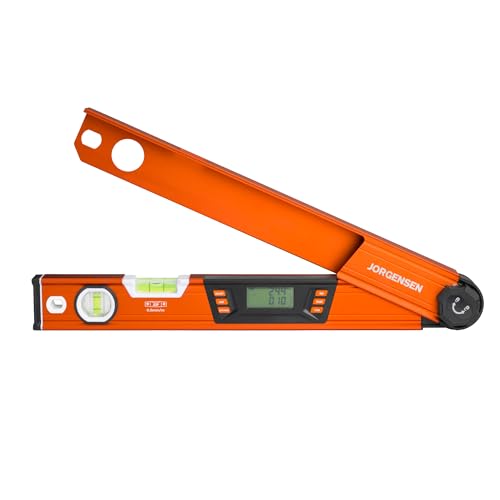
To accurately assess the angle of your clubface, a digital angle finder is an invaluable tool. Here’s how I approach the measurement:
- Prepare the Club: Ensure the 3-wood is placed in a stable position, ideally on a flat surface. Any tilt can affect the reading.
- Position the Finder: Activate the digital angle finder and position it against the clubface. The sole of the club should lie flat against the ground while keeping the face perpendicular to it.
- Read the Measurement: Wait for the digital display to stabilize. The angle shown indicates the loft of the club. Make sure to record the measurement accurately.
Calibration Check
Before starting, I recommend checking the calibration of the angle finder. Ensure it reads zero when placed on a completely flat surface. This step helps reduce any inaccuracies.
Note on Variability
Keep in mind that slight variations can occur based on the surface during measurement, so taking multiple readings can provide a more reliable average. Be consistent with the method to ensure credibility in your measurements.
Comparing Manufacturer Specifications for 3 Wood Loft
To properly evaluate the angle of incline offered by different manufacturers, I always refer to their official specifications. Each brand tends to provide detailed charts listing the angles for their clubs. This information is crucial for selecting a club that suits my swing style, whether I prefer higher or lower trajectories.
For instance, certain brands like TaylorMade typically offer a loft angle around 15° for their 3-wood. In contrast, Callaway may have products with lofts ranging from 13.5° to 16°. I find it helpful to note these differences as they influence how the ball ascends into the air.
Consistency Across Different Brands
I often compare models not just by specifications but also by user reviews. While the numbers are important, real-world experiences shed light on how those angles perform in practice. Some players might feel that a 14.5° club performs like a slightly higher loft due to its head design. Therefore, I look for insights from fellow golfers who have tested different options.
Impact of Technology on Loft
Modern advancements allow for adjustable features in many clubs. Some manufacturers provide models with adjustable hosels that permit changes to the angle. This versatility can be a significant advantage for someone looking to customize their equipment based on personal preferences. When comparing, I keep in mind the potential for adjustments, as this flexibility can enhance performance across various courses.
Utilizing a Launch Monitor to Assess Ball Flight
A launch monitor provides precise data on your shot, helping to understand how changes in your club’s angle affect ball trajectory. Here’s how I work with these devices for optimal results:
Key Metrics to Review
- Launch Angle: Look for angles around 12 to 15 degrees for effective distance and control.
- Ball Speed: Measure the speed to determine the efficiency of your swing and club interaction.
- Spin Rate: Ideal conditions depend on reduced spin for stability in windy situations.
- Carry Distance: Monitor this distance to assess how effective your current setup is for achieving desired results.
Analyzing Results
Record multiple shots and identify patterns. It’s beneficial to compare the data from various clubs to see which configuration gives consistent and favorable outcomes. Adjust the specifics of your club, such as its angle, to see real-time adjustments in performance.
Using a launch monitor allows you to fine-tune your setup based on concrete data rather than subjective feelings. Observing changes can guide decisions about your equipment or swing adjustments, leading to improved performance on the course.
Adjusting Loft Settings in Adjustable 3 Woods
I recommend checking the user manual for specifications on adjusting the angle of your clubface. Most modern clubs feature a mechanism that allows for simple adjustments, typically located at the hosel. Use a torque wrench, often provided with the club, to securely set the desired angle without damaging the components.
When modifying the face angle, be aware that increasing the angle can help achieve a higher launch, while decreasing it encourages a lower trajectory. Familiarize yourself with the settings available on your specific model, often labeled as ‘higher’, ‘standard’, or ‘lower’, and select based on your swing style and course conditions.
To assess the impact of these modifications, hitting session practice is essential. Track changes in ball flight and distance to determine whether adjustments align with your intended performance. Comparison of data collected during these sessions can yield insights into how well the adjustments meet your needs.
Regularly revisiting these settings, especially with shifts in your swing mechanics or playing conditions, will ensure optimal performance. Staying attentive to the way your club interacts with the ball will guide you in making further refinements when necessary.
Testing Different Loft Options on the Course
Experimenting with various angle settings on the course allows me to find the optimal configuration that suits my swing dynamics and playing style. Each hole presents unique challenges, and testing different angles can yield valuable insights into how my shots perform under different conditions.
On-Course Evaluation
During my sessions, I focus on a few key parameters: distance, ball flight trajectory, and control. I start by hitting a series of shots with one specific angle setting, taking notes on each shot’s performance. Then, I switch to another angle and repeat the process under similar conditions. This back-and-forth method provides a direct comparison of outcomes.
Weather and Terrain Considerations
Changes in weather, such as wind speed and direction, can significantly affect results. I make sure to account for these variations while testing, as they influence how the ball behaves in the air. Additionally, the type of turf – whether firm and fast or soft and lush – impacts roll and overall distance, which I also factor into my evaluations.
| Angle Setting | Distance (yds) | Trajectory | Control Level |
|---|---|---|---|
| 14° | 230 | High | Good |
| 16° | 220 | Medium | Very Good |
| 18° | 210 | Low | Excellent |
By documenting the outcomes, I can analyze which angle settings best align with my goals. This methodical approach helps refine my choices, ultimately leading to more consistent performance on the course.