
 Caleb Turner
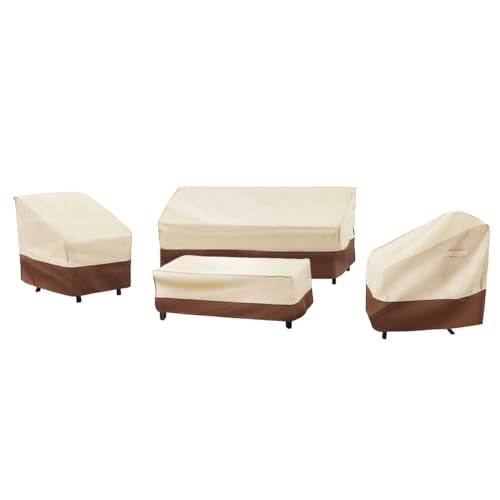
Using high-quality tarps or purpose-designed coverings can significantly shield your seating and tables from the elements. Select materials that are waterproof and UV-resistant to prevent degradation from rain and sunlight.
Consider employing breathable fabrics or vented covers to reduce moisture buildup underneath, which can lead to mold and mildew. Custom-fit options are often available, ensuring a snug fit that resists wind lifting.
Regular maintenance extends the life of these protective layers. Always clean and dry them before storage to avoid unpleasant odors and material deterioration. When not in use, store coverings in a cool, dry place to maintain their integrity.


Protection of Garden Seating
Investing in high-quality tarps or protective sheets with water-resistant coatings is a must. Measure the dimensions of each piece accurately to ensure a snug fit. Opt for breathable materials to prevent moisture buildup, which can lead to mold and mildew growth.
Maintenance Tips
Regular cleaning and inspection of protective layers enhance longevity. Remove debris and dirt before a storm hits to minimize wear. Store rain covers in a dry place to prolong their use.
Material Choices
The selection of fabrics can impact both durability and aesthetics. Here’s a brief comparison:
| Material | Durability | Breathability | Cost |
|---|---|---|---|
| Polyester | High | Moderate | Affordable |
| Vinyl | Very High | Low | Moderate |
| Canvas | High | High | Higher |
Selecting materials based on climate can optimize protection; for example, breathable fabrics work best in humid areas. Understanding these aspects makes a notable difference.
Selecting the Right Cover Material
For protection against weather elements, I recommend opting for high-quality polyester or acrylic fabrics. These materials resist fading and provide UV protection, ensuring longevity.
Another excellent choice is marine-grade vinyl, renowned for its water resistance and durability. This option is particularly effective in areas with heavy rainfall or snow.
For a more eco-friendly option, consider breathable polypropylene. It prevents moisture buildup, reducing the risk of mold and mildew growth, while still offering decent protection.
When choosing weight, a heavier fabric may cost more but will typically withstand stronger winds and harsh conditions better than lighter variants.
Always look for covers with reinforced seams and sturdy fasteners. These features enhance durability and ensure a snug fit, reducing the chance of damage during storms.
Keep in mind that the choice of material should reflect the specific climate conditions and exposure levels in the area. Assessing local weather patterns can guide you to the best decision for safeguarding your outdoor seating pieces.
Measuring for Proper Fit
To ensure an accurate fit, I take precise measurements of each item. Here’s my approach:
Steps to Measure
- Start with the length: Measure from the furthest points on the longest side of the piece.
- Next, measure the width: This is the distance across the widest part at a right angle to the length.
- Finally, determine the height: Measure from the ground to the highest point of the seating or table.
For irregularly shaped seating, I make note of unique contours. Use a flexible measuring tape for rounded edges, and calculate the dimensions by measuring directly over the curves.
Allow for Extra Space
- I always add 2-4 inches to each measurement to ensure a comfortable fit.
- This buffer accounts for any slight variations or added accessories like cushions.
Taking accurate measurements is vital for selecting the right protective item. Using a notepad or app to track my findings keeps everything organized and stress-free.
Choosing Between Custom and Pre-Made Covers
I recommend considering the specific dimensions and style of the items you want to shield. Custom solutions offer a perfect fit tailored to your setup, whereas pre-made options provide convenience and typically a lower cost. Evaluate the unique shapes and materials of your seating, tables, and other pieces to determine which route suits your needs best.
When opting for customized solutions, expect a higher price tag, but also enjoy greater protection against the elements. Custom covers can incorporate additional features like vents for airflow or specialized fabrics for enhanced durability. On the other hand, stock covers often use universal sizing, which may create gaps that allow dirt and moisture to infiltrate.
For those with more standard set-ups, pre-made items can be a sensible choice, especially if you are not looking for extensive coverage. They are readily available and usually come in a variety of designs, allowing for a degree of personalization without the wait for custom manufacturing.
However, if you’re protecting high-end or uniquely shaped items, I advise investing in a tailored option. This not only extends the lifespan of your belongings but also ensures they look pristine year after year. Weigh the benefits of each approach against your budget and protection requirements before making a final decision.
Securing Covers Against Wind Damage
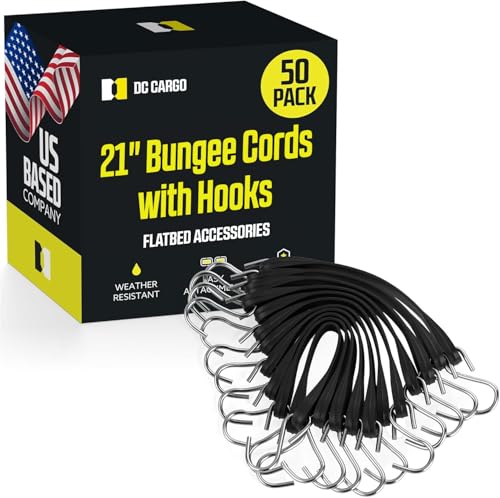
Utilize elastic bands or bungee cords to secure protective layers tightly around furniture. This prevents them from being lifted by strong gusts. Choose cords with hooks that attach to the feet or base of each piece to create a snug fit.
Weighting Options
Consider adding weight to the edges of the tarps. Use sandbags or heavy stones, placing them strategically to anchor the material. This method keeps everything grounded, reducing flapping and potential wear from movement.
Windbreak Structures
Building a windbreak using fences, shrubs, or outdoor screens can significantly reduce wind exposure. Position these elements strategically to shield vulnerable areas and minimize the force of passing winds on the protective layers.
Cleaning and Preparing Furniture Before Covering
I recommend beginning with a thorough cleaning of all surfaces. Use a mixture of mild soap and warm water to eliminate dirt, pollen, and stains. For persistent grime, a soft scrub brush can help. Rinse thoroughly to avoid leaving any soap residue that may attract dirt.
After rinsing, allow the pieces to dry completely. Moisture can promote mold or mildew growth under the protection. I usually place them in a well-ventilated area or use a towel to speed up the drying process.
Next, inspect each item for signs of damage or wear. Look for rust on metal parts, cracks in wood, or fraying on cushions. Address any issues, as repairs are more straightforward when items are clean and dry.
Once repairs are made, consider applying a protective layer suitable for the material. For wooden structures, a quality sealant or oil can enhance longevity. Metal components might benefit from a rust-inhibiting spray, while plastic pieces require UV protectant sprays.
For cushioned items, vacuum or shake out loose debris before using a fabric cleaner specific to the material. Ensure the cushions are completely dry before returning them to the seating frames.
Finally, it’s helpful to organize items by size and shape, making it easier to position them under their respective shields. Keeping everything systematically arranged will save time during the covering process.
Maintaining Covers for Longevity
I recommend regularly checking the protective layers for signs of wear or damage, including tears or fading. Immediate attention to any issues can prevent further deterioration. Ensure that moisture does not accumulate under the coverings, as this can lead to mold and mildew. A simple way to avoid this is by using breathable materials designed for outdoor use.
Cleaning can extend the lifespan significantly. I suggest using mild soap and water to wipe down the surface. Avoid harsh chemicals that might degrade the material over time. Allow them to dry completely before placing them back over the items to prevent moisture retention.
Storing the protective layers during extreme weather conditions, like heavy storms or snowfall, will minimize wear. It’s advisable to store them in a cool, dry place when not in use for extended periods. Folding them neatly and avoiding sharp bends will help maintain their shape and functionality.
Regularly inspecting the area for pests is important. Small animals may create holes or nests, leading to further damage. I find it helpful to also consider investing in storage bags or bins, which can safeguard the protective items from critters along with dust and debris.
Tips for Storing Covers When Not in Use
Always clean the protective gear before storage. Dust, dirt, and moisture can lead to mold and deterioration over time. Use a mild soap solution and a soft cloth to wipe them down, followed by air drying completely.
Optimal Storage Conditions
Store the items in a cool, dry place. Avoid areas with direct sunlight, as UV rays can weaken materials. A storage shed or garage works well, provided it has adequate ventilation to prevent humidity buildup.
Folding and Packing Techniques
Fold the protective layers neatly to avoid creases and maintain shape. Use breathable storage bags or bins; avoid plastic bags as they can trap moisture. Label each item for easy identification when needed. Consider storing them in a designated container to keep them organized and prevent tangling.
Understanding Different Weather Conditions’ Impact
Rain is one of the most damaging elements for patio pieces. Inconsistent exposure can lead to rust, mold, and decay. I always recommend choosing waterproof materials and ensuring the shielding is taut to prevent water from pooling.
UV rays pose another threat. Over time, sunlight can cause colors to fade and materials to weaken. Opting for UV-resistant fabrics can significantly prolong the lifespan of covering. Additionally, I often suggest lighter colors, as they tend to reflect heat better than darker shades.
Wind presents its own challenges. Strong gusts can lift and displace shields, potentially damaging both the protective layer and the items beneath. It’s wise to use fasteners or weights to secure them firmly in place. I find that stretchy cords work well for this purpose, as they provide flexibility while holding tightly.
Humidity and temperature fluctuations contribute to warping and cracking. To combat these effects, I advise looking for breathable textiles that allow moisture to escape while preventing condensation buildup. This reduces the likelihood of mold and mildew forming underneath the covering.
Snow accumulations can exert considerable weight, risking collapse under pressure. Regularly removing any snow and ensuring the shields are structured to bear weight helps maintain integrity. Additionally, consider tapered designs that encourage snow to slide off naturally.
Finally, seasonal changes require adaptability. I use lighter covers during warmer months and heavier, insulated options in winter. This flexibility ensures pieces remain protected and in excellent condition throughout the year.
Protecting Furniture from Pests and Mold
Prioritize regular inspections for signs of insects or mold on any exterior pieces. For wood surfaces, consider natural repellents like cedar oil or neem oil, which can deter pests without harmful chemicals. For metal and plastic items, ensure surfaces are clean and dry, as moisture can attract unwanted visitors.
Utilize breathable covers that allow airflow while repelling moisture, thus reducing the likelihood of mold growth. Avoid plastic wraps as they can trap moisture and promote fungal issues. If mildew appears, clean it immediately with a mix of soap and water, then ensure thorough drying.
During storage periods, maintain a dry environment. Store items in a cool, ventilated area. Incorporating silica gel packets can help absorb excess moisture. Regularly check stored pieces for early signs of damage or infestations.
Consider adding peppermint oil or diatomaceous earth around stored items to discourage pests. These methods minimize the risk of infestations while maintaining the integrity of surfaces. An ounce of prevention will save time and expense in the long run.


