
 Caleb Turner

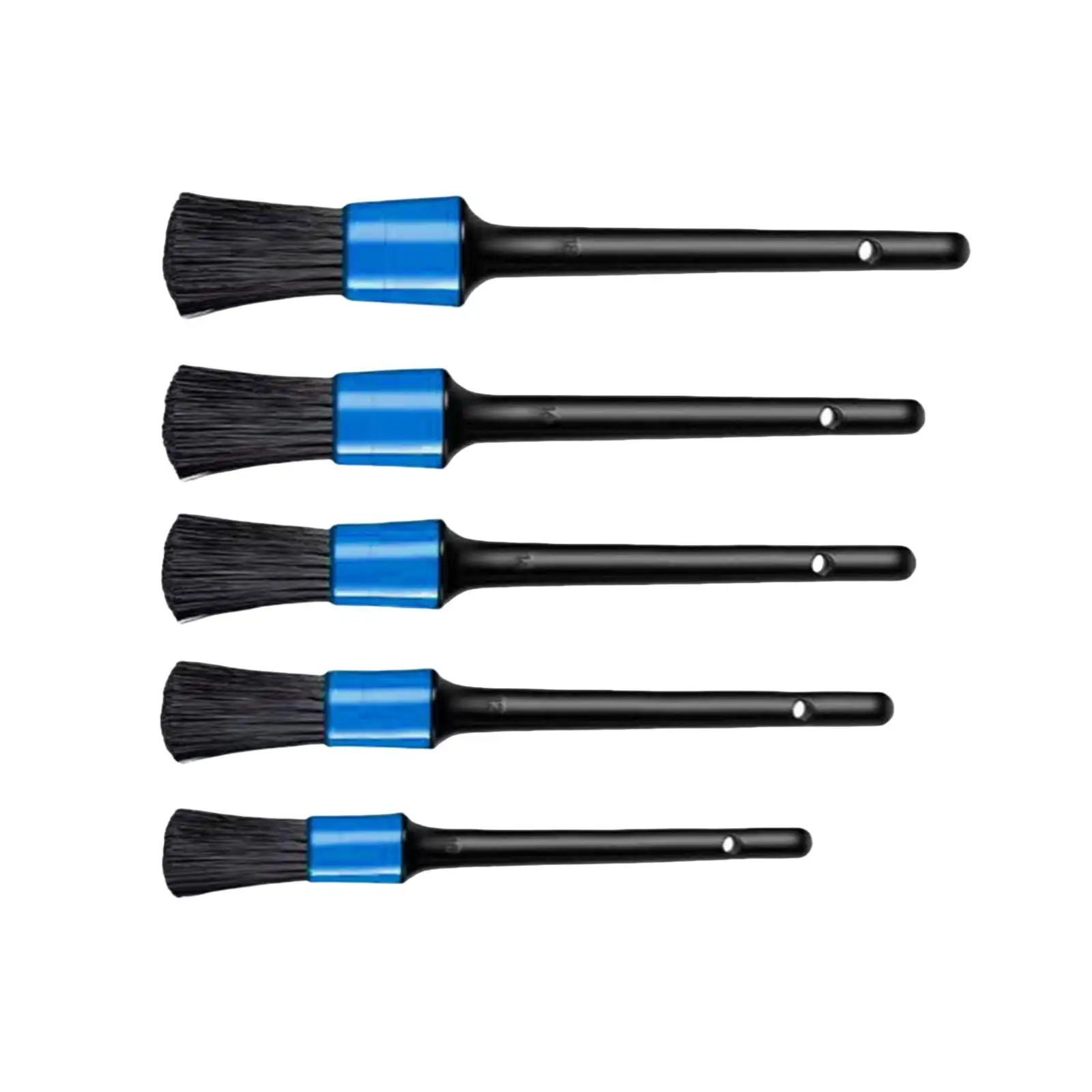
Begin with a brush to remove surface debris. Opt for a soft-bristle variant to avoid damaging the material. Regularly clearing away dust and leaves helps in prolonging its lifespan.
Next, prepare a mixture of mild soap and warm water to tackle stubborn stains. Use a soft cloth or sponge, ensuring to scrub gently to avoid harsh scratches on the surface. Rinse thoroughly with clean water to wash away any soap residue, preventing buildup that can attract more dirt.
If there’s mold or mildew, a solution of equal parts water and white vinegar works wonders. Apply the mixture, let it sit for a few minutes, and scrub lightly. After rinsing, ensure the seats dry completely to avoid further growth in damp conditions.

For added protection, consider applying a specialized spray that guards against UV rays and resists fading. This step can keep your patio chairs looking new and vibrant for years to come.
Cleaning Techniques for Your Outdoor Seating
Mix warm water and a mild soap in a bucket. Using a soft brush, gently scrub the surface to remove dirt and debris. Avoid harsh chemicals that might damage the fibers.
For tougher stains, create a paste using baking soda and water. Apply it directly to the stained area, let it sit for about 15 minutes, and then scrub with a soft cloth.
To keep things fresh, rinse off the soap solution with a garden hose. Ensure all suds are washed away to prevent residue from attracting more dirt.

Dry the pieces thoroughly in a shaded area to prevent fading from direct sunlight. Using a soft towel can help speed up the drying process.
For maintenance, consider applying a fabric protector suitable for outdoor materials. This adds an extra layer of defense against stains and UV rays.
Finally, store cushions and accessories indoors when not in use, protecting them from moisture and weather elements, ultimately prolonging their lifespan.
Assessing the Type of Material Used in Woven Furniture
Identify the specific material, as it significantly influences maintenance techniques. Natural fibers like wicker require gentle approaches to avoid damage, while synthetic materials such as resin wicker tend to withstand harsher methods.
For rattan, a common natural option, I use a soft brush and mild soap, ensuring I don’t saturate the fibers, as moisture can lead to mold growth. Synthetic alternatives like polyethylene are more resilient and can handle water more freely, allowing me to utilize a hose for rinsing.
Pay attention to color fastness. Some dyed options may fade under strong sunlight or with abrasive cleaners. Always test any method on a hidden area first to see how the material reacts.
Inspect the weave pattern. Tight weaving indicates durability, while looser patterns might require more careful handling to maintain their integrity during cleaning. Knowing the weave’s design helps assess which products are safe.
Consider the furniture’s location. If it’s in a shaded area, natural fibers may last longer without frequent maintenance compared to those exposed to sunlight, which might necessitate more regular upkeep. Understanding these aspects helps in planning an effective care routine.
Gathering Necessary Cleaning Supplies for Outdoor Furniture
The first step is to collect all essential items prior to initiating any maintenance task. Here’s what I typically ensure I have on hand:
| Item | Purpose |
|---|---|
| Soft-bristle Brush | Ideal for loosening dirt and debris from surfaces without causing damage. |
| Mild Detergent | Effective in breaking down grime without harsh chemicals that can harm materials. |
| Bucket | Used for mixing cleaning solutions and rinsing equipment. |
| Garden Hose | Essential for rinsing off any cleaning agents or dirt post-application. |
| Microfiber Cloths | Useful for drying and polishing surfaces after washing. |
| Protective Gloves | Helps in safeguarding hands from cleaning solutions and harsh elements. |
| Spray Bottle | For applying diluted cleaning solutions directly to surfaces. |
| Oxi Cleaner or Bleach (if needed) | To deal with stubborn stains or mold, but should be used cautiously. |
Having these tools and materials ready streamlined my process and enhances effectiveness. Pay attention to the specific needs of your items, ensuring the detergents and brushes match the material types for best results.
Removing Loose Dirt and Debris from Woven Surfaces
Begin with a soft-bristle brush, gently sweeping away any loose particles from the textured surfaces. Focus on seams and crevices where dust tends to accumulate.
- Use a handheld vacuum cleaner with a brush attachment for more stubborn debris.
- If possible, position the seating pieces upside down to access the underside and remove hidden grime.
- Consider a microfiber cloth to capture dust effectively; its fibers grab dirt without scratching the material.
A gentle shake can also help dislodge loose dirt from intricate weaves. For larger pieces, employ a leaf blower at low power to remove leaves and larger debris without causing damage.
Completing these preliminary steps prepares the terrain for deeper cleaning efforts, ensuring that stubborn stains and dirt can be effectively addressed later. Regular maintenance prevents the buildup of grime, making future care easier.
Applying the Right Cleaning Solution for Stains
Select a suitable cleaning solution based on the type of stain. For organic stains like food or drink, a mixture of mild dish soap and warm water works effectively. Use a sponge to apply the solution gently on the stained area, ensuring not to saturate the material.
For Oil-Based Stains
When dealing with oil-based stains, a specialized cleaner designed for outdoor use or a diluted vinegar solution can be beneficial. Spray the cleaner directly onto the stain, allowing it to sit for a few minutes before wiping away with a clean cloth or sponge.
Handling Mold and Mildew
Mold or mildew requires a stronger approach. Combine equal parts of water and white vinegar, or use a commercial mold remover. Apply the solution, then scrub gently with a soft-bristle brush. Rinse thoroughly with water to eliminate any residue.
Always test any cleaning solution in a small, inconspicuous area before proceeding to ensure compatibility and to avoid damage. A little precaution can save you from larger issues later.
Drying and Maintaining the Condition of Woven Pieces
After washing, it’s crucial to thoroughly dry each item to prevent mold and mildew. I place my chairs and tables in a well-ventilated area, ideally outdoors, but out of direct sunlight, which can fade colors and weaken materials. Position them at an angle to allow water to drain off effectively.
Using a soft towel, I gently blot excess moisture from the surface and crevices, ensuring I reach those hard-to-see spots where water tends to linger.
Preserving Appearance and Longevity
Once dry, I apply a dedicated fabric protector to help repel stains and moisture. This treatment enhances durability and keeps the surface looking fresh. For synthetic fibers, a UV protectant spray can shield against sun damage, particularly in areas with intense sunlight exposure.
Regularly checking for loose strands or signs of wear helps maintain their integrity. Whenever I notice any damage, I perform minor repairs promptly to extend their lifespan. Using a soft brush every few weeks prevents the accumulation of debris and dust, keeping the look neat.
Seasonal Care Practices
During colder months, I prefer to store these items indoors or use protective covers. This practice minimizes exposure to harsh weather elements that could lead to deterioration. Before storing, I ensure everything is completely dry and clean to prevent odors and mildew during storage.
Following these methods has worked excellently for me, ensuring my pieces remain in top condition year after year. Consistent care allows for enjoyment of their aesthetic and functional qualities for a long time.
Protecting Woven Furniture from Future Dirt and Damage
Applying protective treatments significantly extends the lifespan of your pieces. Consider using a fabric protector specifically designed for your material type. This forms a barrier against stains and UV damage. Follow the manufacturer’s instructions for application and frequency of reapplication.
Utilizing covers during inclement weather is essential. Opt for breathable, weather-resistant options that prevent moisture buildup and allow air circulation. Make sure to secure them properly to avoid wind displacement.
Regular inspections are crucial. Look for signs of wear, loose threads, or fading. Early detection allows for timely repairs, maintaining both aesthetics and functionality.
- Clean surfaces regularly to prevent dirt accumulation.
- Store pieces in a dry, shaded location during the off-season.
- Introduce maintenance routines specific to the material used.
Utilize cushions that are resistant to moisture and fading if available. This reduces the risk of mold and extends the overall appeal of your seating.
Lastly, positioning away from direct sunlight when possible minimizes fading and deterioration of fibers. Balance between convenience and safeguarding your belongings will significantly improve their longevity.


