


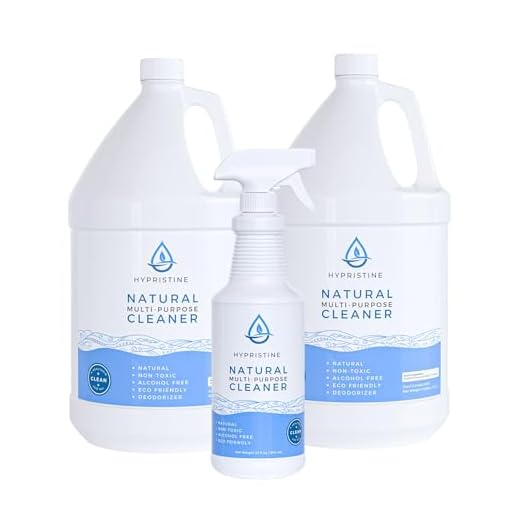
For immediate results, I recommend using a mixture of warm water and mild dish soap. Dampen a soft cloth with the solution, ensuring it’s not overly wet, then gently wipe the affected area. Avoid harsh chemicals that can damage the material.
After the initial wipe, it’s essential to follow up with a second damp cloth, this time with just water, to remove any soap residue. Pat the area dry with a clean, dry towel to prevent moisture from being absorbed into the material.
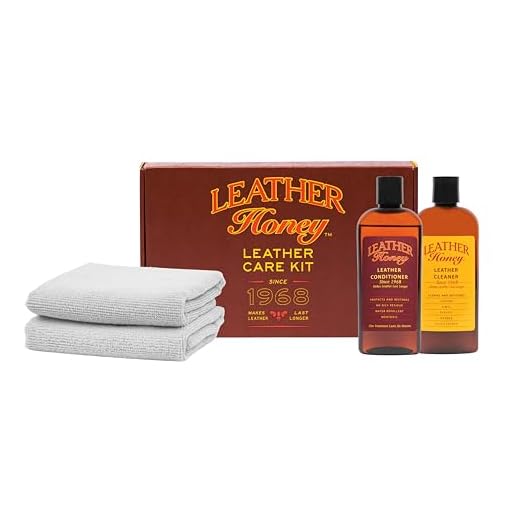
To maintain the beauty of your seating or décor, applying a specialized conditioner can help restore its natural sheen and prevent future buildup. Regular maintenance with gentle cleaning methods ensures lasting elegance without risking harm to the surface.
Cleaning Tips for Tackling Residue on Upholstered Pieces
Begin by combining equal parts of white vinegar and water in a spray bottle. Lightly mist the surface with this solution, avoiding saturation. Use a microfiber cloth to gently wipe away the buildup, working in circular motions. This method assists in lifting grime without damaging the material.
Post-Cleaning Protection
After addressing the residue, apply a dedicated conditioner specifically designed for the upholstery type. Doing so restores moisture and creates a barrier against future dirt accumulation. Ensure to follow the product instructions for optimal results.
Regular Maintenance Schedule
Set a routine for addressing dirt accumulation. A weekly wipe-down with a dry cloth prevents buildup and prolongs the life of the pieces. Consider using a specific application designed to repel spills and stains for an added layer of protection.
| Tip | Details |
|---|---|
| Vinegar Solution | Mix equal parts vinegar and water, mist, and wipe with a microfiber cloth. |
| Conditioning | Apply a specialized conditioner after cleaning to maintain integrity. |
| Regular Dusting | Use a dry cloth weekly to prevent dirt from settling. |
Identify the Type of Leather Before Cleaning
Before proceeding with any upkeep, I check the specific category of hide involved. Various types require different approaches. For instance, aniline leather has a natural finish, making it more susceptible to stains. I opt for a gentler method when dealing with this type.
Next, pigmented leather, known for its durability and resistance to wear, allows for a bit more aggressive treatment. I can use commercial products tailored for this category with confidence.
Another consideration is suede, which demands specialized care due to its unique texture. I make sure to use appropriate tools, such as a soft brush or eraser, to avoid damaging the fibers.
In addition to these, nubuck leather can also be found, resembling suede but generally more robust. I usually apply a dedicated cleaner designed for nubuck to maintain its appearance without compromising the material.
By identifying these characteristics before undertaking any maintenance tasks, I can select the right products and techniques, leading to better results without risking damage to the surfaces.
Gather Necessary Cleaning Supplies
I recommend collecting the following items before starting the maintenance process:
- Soft cloths: Microfiber or cotton cloths work well, as they won’t scratch the surface.
- Mild soap or pH-balanced cleaner: Use a non-abrasive cleaner specifically made for treatment.
- Distilled water: It helps prevent any mineral deposits from tap water.
- Conditioner: A quality conditioner designed for this material will help restore moisture.
- Bucket: A container for mixing cleaning solutions.
- Sponge or soft brush: These may assist in removing more stubborn residue without damaging the texture.
- Protective gloves: To safeguard my hands from any chemicals in cleaners or conditioners.
- Spray bottle: For easy application of solutions.
Having these supplies ready will streamline the overall approach and ensure effective results.
Test a Hidden Area for Compatibility
Before applying any cleaning solution to the visible surfaces, I test a small, inconspicuous section of the material. This step is vital to ensure that the product won’t cause discoloration or damage.
To conduct the test:
- Choose a location that isn’t easily seen, like the back of a cushion or under a chair.
- Apply a small amount of the chosen cleaning agent using a soft cloth or cotton swab.
- Wait for about 10-15 minutes to observe any changes in texture or color.
If there is no adverse reaction, I proceed cautiously with cleaning the larger area. If there are any signs of damage, I look for a milder solution or different products specifically designed for that type of material.
Prepare a Cleaning Solution for Sticky Residue
I combine equal parts of distilled water and white vinegar in a spray bottle for an effective mixture. The vinegar helps to dissolve the unwanted substance without damaging the surface. For a gentler approach, I can substitute vinegar with a mild dish soap, mixing a few drops with warm water.
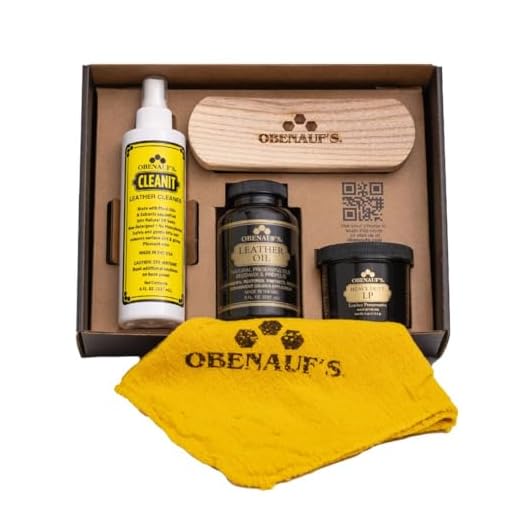
Before applying the solution, I shake the bottle well to ensure proper blending. It’s important to apply it lightly to avoid saturation, which can lead to more issues. A microfiber cloth is my go-to tool for application, as it minimizes the risk of scratches while effectively lifting grime.
If the residue persists, I consider adding a few drops of natural oil, like jojoba or olive, to the mixture. This addition not only aids in removal but also nourishes the material, preserving its luster.
Gently Clean the Sticky Areas with a Soft Cloth
I recommend using a microfiber cloth for this task, as it is non-abrasive and effective in lifting residues without causing scratches. Begin by slightly dampening the cloth with the prepared solution. Ensure that the cloth is not soaked; excess moisture can harm the texture.
With the moist cloth, lightly rub the affected spots in circular motions. Avoid applying excessive pressure, as this could damage the surface. Keep an eye on the area for any changes in appearance, ensuring that the treatment does not alter the finish.
After treating the spots, use a dry section of the cloth to absorb any lingering moisture. This step prevents water stains or marks from forming, which can dull the look. If residues persist, repeat the process, using a fresh part of the cloth, until satisfaction is achieved.
Finally, allow the surface to air dry thoroughly. Once dried, a gentle buffing with a clean, dry cloth can help restore the original sheen, enhancing the overall look while ensuring a proper finish.
Condition the Leather After Cleaning
To maintain suppleness, I recommend applying a quality conditioner after the cleaning process. This prevents drying and cracking, preserving the texture and appearance of the material. Choose a product designed specifically for the type of hide you have, ensuring compatibility.
Application Technique
Using a soft, lint-free cloth, apply a small amount of conditioner to the surface. I prefer to work in circular motions, allowing the substance to seep into the pores effectively. Make sure to cover all areas evenly but avoid over-saturating the surface, as excess can lead to residue buildup.
Drying and Maintenance
After application, allow the piece to breathe. I usually let it sit for a minimum of 30 minutes before buffing it with a clean cloth to achieve a subtle sheen. Regularly conditioning, about every 6 months, helps keep the item in pristine condition, enhancing its longevity significantly.
Maintain Upholstery to Prevent Adhesion Issues
Regular maintenance significantly reduces the chances of encountering adhesion issues. Consider these crucial practices:
- Avoid exposing your pieces to direct sunlight for prolonged periods. Choose curtains or blinds to minimize light exposure.
- Establish a cleaning routine. Dust and debris can accumulate, leading to surface degradation. Use a microfiber cloth to gently wipe surfaces weekly.
- Implement a conditioning schedule. Use specialized products to nourish your upholstery every 6-12 months, restoring suppleness and preventing dryness.
Optimal Environment Control
Maintain a humid environment with appropriate temperature control. High heat can dry out materials, while excessive moisture may contribute to mold and mildew, causing a sticky texture.
Protective Measures
Invest in protective sprays designed for your specific upholstery type. These products create a barrier against spills and stains, making future maintenance easier. Always verify compatibility before application.


