Caleb Turner

I recommend using a simple mixture of mild detergent and warm water to tackle tough dirt and grime. Grab a soft cloth or sponge, and gently scrub the surface, paying attention to any stubborn stains. This method not only helps to eliminate debris but also maintains the integrity of the material.
For deeper stubborn spots, consider a paste made from baking soda and water. Apply this directly to the affected area, let it sit for a few minutes, then gently scrub. Rinse thoroughly to ensure no residue is left behind.
To add a touch of shine and protection, utilizing a specialized plastic polish will enhance the appearance of your outdoor seating. Spray it on and buff with a clean, dry cloth to restore that just-bought look.


Finally, regular maintenance is key. I suggest rinsing off your seating after heavy usage or seasonal weather changes to prevent buildup and prolong its lifespan. Simple measures like these will keep your outdoor pieces looking fresh and inviting.
Assessing the Type of Dirt and Stains on Your Outdoor Seating
I first examine the surface for general grime, which can usually be wiped off with a damp cloth. If the material appears dull or discolored, it’s likely from mold or mildew, requiring a specialized cleaner to restore brightness. Persistent stains from food, drink, or spills necessitate pre-treatment before any scrubbing occurs.
For marks due to rust or metal transfer, a gentle abrasive can be used, but I take care not to scratch the surface. Furthermore, if I notice sticky residues, I opt for a mild soap solution to dissolve the build-up effectively.
Finally, for weathered pieces exposed to UV light, I consider applying a protective coating after cleaning to enhance longevity and maintain appearance. Always ensure I identify the correct type of stain or dirt beforehand to choose the right approach for removal.
Choosing the Right Cleaning Solution for Plastic
For tackling grime on outdoor items, I prefer to use mild detergents mixed with warm water, as harsh chemicals can damage the surface. Look for solutions labeled as biodegradable or environmentally friendly to ensure safety for plants and animals nearby.
Common Cleaning Options
| Solution Type | Recommended Use |
|---|---|
| Dish Soap | Effective for general dirt and stains; mix with warm water. |
| Baking Soda | Good for tough stains; create a paste with water and apply. |
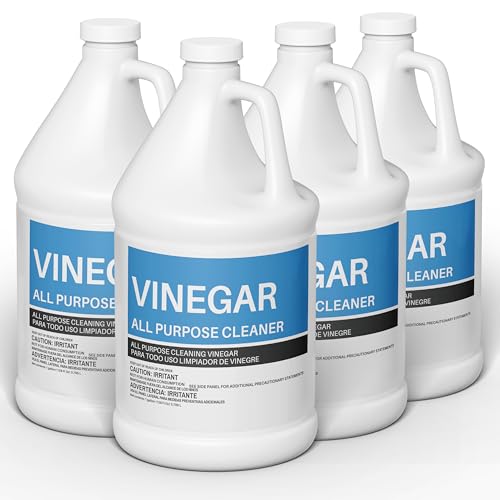
| Vinegar | Natural disinfectant; mix with water for a cleaning spray. |
| Specialty Cleaners | Look for those designed specifically for the material; follow instructions. |
Homemade Solutions
I often create mixtures using household items. A combination of vinegar and baking soda can lift stubborn marks, while lemon juice offers a natural shine and fresh scent. Always test a small area first to ensure no discoloration occurs.
For maintenance, I mix a few drops of dish soap in water regularly, keeping the surfaces looking good with minimal effort. Utilizing the right cleaner not only enhances appearance but also prolongs the lifespan of outdoor seating and tables.
Step-by-step process for washing your furniture
Begin with a thorough inspection of each piece to identify specific areas requiring attention. Pay close attention to crevices and joints where grime tends to accumulate. This initial assessment helps target your efforts effectively.
Gather necessary supplies
Equip yourself with a bucket, soft-bristle brush or sponge, microfiber cloth, and the chosen cleaning solution. Ensure that all items are ready and within reach to streamline the task.
Washing procedure
Fill the bucket with warm water and add the cleaning agent according to the instructions on the label. Dip the brush or sponge into the solution, ensuring it is sufficiently soaked but not dripping. Begin scrubbing the surfaces gently, starting from the top and working your way down to prevent dirt from settling on already cleaned areas.
For tough spots, allow the solution to sit for a few minutes before scrubbing. Once finished, use clean water to rinse off any soap residue, ensuring no cleaner remains on the surfaces. Finally, dry with a microfiber cloth or let air-dry under the sun.
Dealing with Tough Stains and Discoloration
Use a mixture of baking soda and water for tough stains. Create a paste with three parts baking soda and one part water to tackle stubborn marks. Apply this paste directly to the stained area, let it sit for about 10-15 minutes, then scrub gently with a soft brush. Rinse thoroughly afterward.
Addressing Specific Stains
For mildew or mold, a solution of equal parts white vinegar and water works wonders. Spray it onto the affected areas, allowing it to sit for 30 minutes before scrubbing. Rinse off with clean water to reveal a fresh surface.
Handling Rust and Oil Marks
Rust stains can be treated with a mixture of lemon juice and cream of tartar. Apply the paste to the rust spots, let it dry, and scrub gently. For grease or oil marks, dish soap diluted in warm water can break down the residue effectively. Apply a mixture, scrub with a soft cloth, and rinse well.
Maintaining Your Outdoor Seating to Prevent Future Buildup
Regularly inspecting your outdoor seating is key to avoiding stubborn dirt and discoloration. After each use, I wipe down surfaces with a damp cloth to remove crumbs and moisture. This small habit helps prevent mildew and mold accumulation.
Utilizing Protective Covers
Whenever possible, I cover my seating with breathable protective covers when not in use. This minimizes exposure to dust, bird droppings, and other environmental factors that lead to buildup over time.
Strategic Placement
Positioning seating away from overhanging trees or areas prone to debris can significantly reduce maintenance needs. I ensure that the seating is in a well-drained location, which further helps decrease stains caused by excess water or runoff.
Storing outdoor seating for longevity and cleanliness
To ensure durability and maintain a pristine appearance, proper storage of your outdoor seating is essential. During off-seasons or inclement weather, follow these guidelines:
Preparation for storage
- Thoroughly wash all surfaces to remove grime and residues.
- Dry completely to prevent mold and mildew growth.
Choosing the right storage location
- Select a clean, dry space away from direct sunlight to minimize fading.
- Avoid damp areas that can promote decay or rust.
For additional protection, consider using covers specifically designed for these items. Make sure they are breathable to prevent moisture accumulation.
Stack or arrange seating to save space, but ensure they are not compressed too tightly to avoid warping. Regularly check storage conditions to address any emerging issues promptly.
FAQ:
What are the most suitable cleaning products for plastic garden furniture?
When cleaning plastic garden furniture, it’s best to use mild soaps, such as dish soap, mixed with warm water. For tougher stains, you can consider using a mixture of vinegar and water or a baking soda paste. Avoid abrasive cleaners, as they can scratch the surface of the plastic. Additionally, you might want to use a soft sponge or cloth to prevent any potential damage while cleaning.
How often should I clean my plastic garden furniture?
The frequency of cleaning plastic garden furniture largely depends on how often you use it and the weather conditions in your area. Generally, it’s advisable to clean it at least once a season to remove dirt and prevent mold growth. If your furniture is frequently exposed to pollen, dust, or bird droppings, you may want to clean it more often. Regular maintenance helps keep the furniture looking new and extends its lifespan.
What is the best method for removing mold from plastic garden chairs?
To effectively remove mold from plastic garden furniture, start by preparing a solution of equal parts water and vinegar. Apply this mixture directly to the moldy areas and let it sit for about 10-15 minutes. Afterward, use a soft brush or sponge to scrub the mold away. Rinse thoroughly with water to ensure all residues are removed. For stubborn mold, a diluted bleach solution can be used, but always ensure proper ventilation and protective gear when working with bleach.
Can I use a pressure washer to clean plastic garden furniture?
Using a pressure washer on plastic garden furniture can be effective, but caution is advised. Set the pressure to a low setting to avoid damaging the plastic. Maintain a safe distance from the furniture surface, ideally around 2-3 feet, and use a wide spray pattern to distribute the water evenly. This method can quickly remove dirt and grime, but for detailed areas and delicate designs, a soft cloth or sponge may be more suitable to avoid any potential harm.
Is it safe to leave plastic garden furniture outside during winter?
Plastic garden furniture is generally designed to withstand various weather conditions, including cold temperatures. However, it’s advisable to store the furniture indoors during winter if possible, as extreme weather could lead to fading or cracking over time. If indoor storage is not an option, try covering the furniture with a weather-resistant tarp or furniture cover to provide extra protection from snow, ice, and harsh winds.