
 Caleb Turner
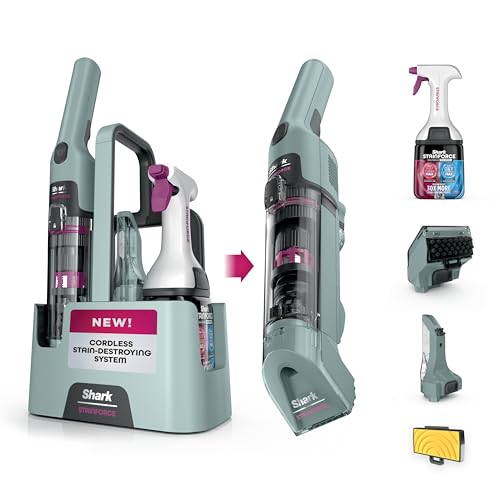
Mix a solution of warm water with mild detergent to tackle stubborn stains on my outdoor upholstery. I find that using a soft brush helps lift dirt without damaging the material, ensuring a deep clean while maintaining the integrity of the fabric.
For persistent marks, a gentle white vinegar solution adds extra power. I combine equal parts vinegar and water in a spray bottle, applying it to the affected area and allowing it to sit briefly before blotting with a clean cloth. This method effectively breaks down grime, giving life back to the textiles.
Rinsing with clean water is crucial. I spray down the fabric thoroughly after using any cleaning solution; this prevents residue build-up and enhances the overall appearance. Sunlight aids in drying and sanitizing the upholstery, so I arrange it in a well-lit area for optimal results.


Regular maintenance involves brushing off debris and addressing spills immediately. Incorporating these practices into my care routine keeps my outdoor seating looking fresh and inviting all season long.
Cleaning Techniques for Soft Outdoor Seating
To tackle stubborn stains, I mix warm water with mild detergent in a spray bottle. Spraying the solution directly onto the affected area loosens grime efficiently.
For fresh spills, blot the area immediately with a clean cloth, avoiding any rubbing that could push dirt deeper into the material.
I often use a soft-bristle brush to gently scrub the surface after applying the cleaning solution. This helps lift dirt and debris without damaging the weave.
To address mildew or mold, I recommend a mixture of equal parts white vinegar and water applied with a cloth, followed by thorough rinsing.
After cleaning, allowing items to air dry in a shaded area prevents fading caused by direct sunlight. Avoid using heat sources, as they can warp the structure.
Regular maintenance, like vacuuming with an upholstery attachment, helps keep dirt at bay and prolongs the life of the upholstery.
For those times when deep cleaning is necessary, consider a professional service specializing in outdoor materials for best results.
Identify the Fabric Type and Care Instructions
I always begin by checking the label on the seating material. Often, this provides the best clues regarding its composition. Common types include polyester, acrylic, and olefin. Each comes with specific handling requirements. For instance, polyester is widely appreciated for its resistance to fading, but it may require a gentle detergent for maintenance.
Acrylic tends to be more robust and can typically withstand harsher cleaning solutions. It’s essential to read the manufacturer’s guidelines. If no label is found, a simple test can help identify the material. Burning a small thread piece can offer an indication: polyester will melt, while natural fibers like cotton will burn and smell like paper.
After identifying the type, I gather the necessary supplies. For synthetic materials, opt for mild soaps, while natural fibers might need specialized cleaners that prevent damage. Ensure to perform a patch test on a hidden area first to confirm colorfastness before proceeding.
Finally, I always remain mindful of the manufacturer’s recommendations for the best results. Sometimes, professional cleaning may be the safest route if the fabric is particularly delicate or heavily soiled.
Gather Necessary Cleaning Supplies and Tools
I recommend assembling a few key items before addressing your outdoor upholstery. Start with a vacuum cleaner equipped with a brush attachment to effectively remove dirt and debris. This tool ensures that the surface is free of any loose particles that could hinder the subsequent cleaning process.
Prepare a soft-bristle brush; this will help dislodge stubborn grime without damaging the material. Additionally, a bucket is essential for mixing cleaning solutions, while a spray bottle allows for even application of those solutions.
Include mild detergent that is suitable for textiles, ensuring that it won’t cause discoloration. For tougher stains, consider a stain remover specifically designed for similar materials. You may also want to have a sponge or a microfiber cloth on hand for applying the cleaning solution and wiping off excess moisture.
Finally, don’t forget to wear gloves to protect your hands from cleaning agents and moisture. If available, a protective cover for outdoor setups can keep them looking fresh and minimize future dirt accumulation.
Pre-Cleaning Steps: Brush Off Debris and Dust
I begin by removing any loose particles from the surface before proceeding with a thorough washing. Using a soft-bristled brush or a handheld vacuum, I gently sweep away dust, leaves, and other debris.
Brush Techniques
- Opt for a brush with soft bristles to avoid damaging the material.
- Use circular motions to effectively dislodge dirt from seams and crevices.
- Pay special attention to areas where debris tends to accumulate, such as under cushions or along edges.
Vacuum Options
- A handheld vacuum with a brush attachment works well for upholstery.
- Ensure the vacuum is set to a low suction level to prevent any potential damage.
- For larger pieces, an upright vacuum can cover more ground quickly.
Completing these initial steps ensures that subsequent cleaning methods are more effective and that I can maintain the integrity of the material over time.
Choose the Right Cleaning Solution for the Fabric
For optimal results, selecting a suitable cleaning solution is crucial. Always check the manufacturer’s label for specific recommendations. Here are options that work well for different materials:
- An all-purpose fabric cleaner: Ideal for synthetic textiles like polyester and acrylic. Ensure it’s safe for use on exterior materials.
- Specialized upholstery cleaner: Use for delicate or natural fibers, such as cotton or linen. These are often gentle yet effective against stains.
- Vinegar and water: A homemade solution that effectively removes lighter stains. Combine equal parts of each for a safe, eco-friendly option.
- Baking soda paste: For tougher stains, mix baking soda with a small amount of water to create a paste. Apply directly to the spot and let it sit before wiping away.
Consider Stain Types
Address stains based on their nature:
- Food spills: Act quickly with a gentle detergent solution, blotting rather than rubbing.
- Grease or oil: Dish soap mixed with warm water can be particularly effective in breaking down these substances.
- Mold and mildew: Use a mix of water and white vinegar. Spray, let it sit, then scrub gently.
Conduct a Patch Test
Before applying any solution extensively, conduct a patch test in an inconspicuous area to prevent discoloration or damage.
Ultimately, understanding the material’s requirements and the nature of stains will inform your choice, leading to cleaner and longer-lasting seating options for the outdoors.
Techniques for Spot Cleaning Stains
Begin with a blotting technique: use a clean cloth or paper towel to absorb as much of the stain as possible without rubbing. This helps prevent spreading the stain further.
For oil-based stains, sprinkle cornstarch or talcum powder onto the affected area. Allow it to sit for 15-20 minutes to absorb the oil, then gently brush it away with a soft brush.
Water-based stains require immediate attention; I recommend a mixture of mild soap and lukewarm water. Dampen a cloth with the solution and gently dab the stained area. Avoid soaking the material.
In case of stubborn residues, create a paste of baking soda and water. Apply it to the stain and let it sit for about 30 minutes before scrubbing lightly with a soft-bristled brush.
For organic stains like food or drink spills, a vinegar solution can be helpful. Mix one part white vinegar with two parts water, apply a small amount to the stain, and blot with a clean cloth.
Always test any cleaning solution on a hidden area first to check for damage or discoloration. After treatment, rinse the area with clean water to remove any cleaning residues, and blot with a dry cloth.
Drying and Maintaining Material After Cleaning
Immediately after washing, I ensure the pieces are placed in a well-ventilated area to air dry. Direct sunlight should be avoided, as it can cause fading. If possible, I position them under a shaded spot or use a fan to promote airflow. Using a towel to gently blot excess moisture before drying helps prevent water spots.
Drying Techniques
I prefer laying the items flat on a clean surface, which prevents stretching and keeps their shape intact. If the items are lightweight, I might suspend them using a clothesline or hanger to enhance drying efficiency. For larger pieces, turning them periodically allows for even drying and prevents dampness from lingering.
Post-Drying Care
Once fully dry, I treat the material with a fabric protector designed for outdoor use. This additional step enhances resistance to stains and moisture, prolonging the lifespan. Storing the items in a covered space during harsh weather conditions or offseason contributes greatly to their longevity.
| Action | Recommended Method |
|---|---|
| Airing Dry | Place in a well-ventilated area, avoiding direct sunlight. |
| Blotting Moisture | Use a towel to absorb excess liquid. |
| Flat Drying | Lay flat on a clean surface or hang up. |
| Using Fabric Protector | Apply a fabric-safe spray for long-term protection. |
| Storing | Keep in a covered area during inclement weather. |


