
 Caleb Turner

Begin with thorough insulation and ventilation. Proper air exchange is critical; install exhaust fans to maintain optimal temperatures and humidity levels. Choose LED grow lights for energy efficiency and tailored light spectrums suitable for indoor plants.
Next, focus on the substrate. Utilize high-quality potting soil or hydroponic systems for the best growth results. Incorporate a water reservoir to ease irrigation, ensuring plants receive adequate moisture without over-saturation.
Pay attention to layout and organization. Set up shelving or racks to maximize vertical space, allowing easy access to all plants. Consider using trays to catch water runoff and prevent damage to the attic’s flooring.
Establish a monitoring system for climate conditions. Digital thermometers and hygrometers can help maintain ideal growth environments by tracking temperature and humidity. Regular monitoring allows for timely adjustments as needed.
Lastly, implement a pest control strategy. Regular cleanliness and preventive measures will keep unwanted pests at bay, ensuring plants thrive in a healthy environment.
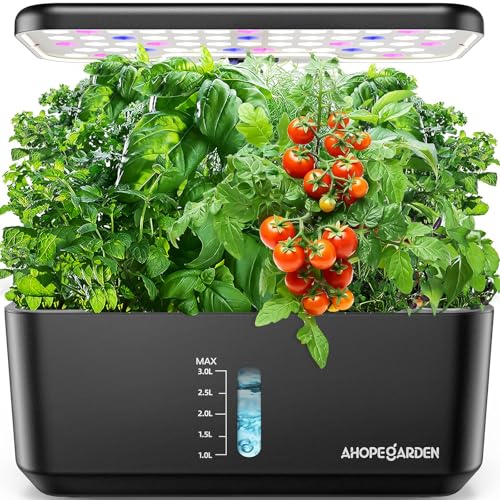


Constructing an Indoor Cultivation Space in an Attic
Ensure proper ventilation by installing exhaust fans and intake vents. This maintains a stable airflow, which is crucial for temperature control and plant health.
Use reflective materials on the walls to maximize light efficiency. Mylar or flat white paint helps direct light toward the plants, improving growth rates.
Choose the right lighting setup. LED lights are energy-efficient and adaptable for various growth stages. Hang them at appropriate heights to avoid light burn or inadequate illumination.
Invest in a suitable hydroponic or soil system. Research different methods to find one that aligns with available space and desired plants. A high-quality reservoir can facilitate nutrient distribution effectively.
Temperature and humidity sensors are essential. Maintained levels prevent mold or stress on plants. Automated systems can simplify monitoring and adjustments.
Organize plants efficiently. Utilizing shelving can enhance space usage and promote uniform lighting exposure. Group plants with similar needs together for streamlined care.
Consider soundproofing your setup. This minimizes noise from fans and pumps, contributing to a more peaceful environment inside the home.
Evaluating Your Loft Space for a Grow Area
Assessing the dimensions is my first step. I measure the height, width, and length of the space to determine how many plants can be accommodated and how much equipment will fit. A minimum height of 8 feet is ideal for adequate light placement and air circulation.
Next, I consider the floor structure. I ensure it can support the weight of all components like pots, soil, and water. Depending on the scale of my setup, reinforcing the flooring might be necessary.
Ventilation is crucial. Adequate airflow prevents mold and ensures healthy plant growth. I identify any existing windows for passive ventilation and plan for an exhaust system if necessary. Good intake and exhaust fans help regulate temperature and humidity.
Lighting requirements dictate my electrical needs. I check the availability of power outlets and the capacity of the circuit breaker to handle additional loads. Depending on the lights I choose, I may need to consult an electrician.
I evaluate the insulation and temperature control. In colder climates, proper insulation can maintain optimal conditions year-round. Additionally, I might need heating or cooling systems to manage temperature fluctuations.
Access to water is fundamental. I ensure there is a nearby water source for easy watering and maintenance. If plumbing is an issue, setting up a reservoir system can provide a solution.
Lastly, I assess the overall accessibility of the area. Ensuring I have enough space to navigate and maintain equipment is essential for a successful operation.
Choosing the Right Lighting System for Your Plants
I recommend choosing LED grow lights for their energy efficiency and low heat output. These lights provide the full spectrum needed for photosynthesis, making them ideal for various plant types.
Types of Lighting
- LEDs: Last up to 50,000 hours with minimal heat emission.
- Fluorescent Lights: Affordable and suitable for seedlings and herbs; however, they produce less light intensity.
- High-Intensity Discharge (HID): Powerful outputs favoring larger plants, but they require ballasts and generate significant heat.
Light Spectrum Considerations
Different growth stages demand varying light spectra. For example, blue light (400-500 nm) promotes vegetative growth, whereas red light (600-700 nm) encourages flowering. A good combination of both in your lighting setup supports healthy development.
Adjust the placement of lights based on the plant’s height and growth stage to ensure optimal exposure. Closer distances enhance light intensity, while a proper height prevents leaf burning.
Consider investing in a timer to automate your light cycles. Generally, 18 hours of light for vegetative stages and 12 hours for flowering ensure robust growth.
Insulating for Optimal Temperature Control
Prioritize insulation to maintain a stable environment. Use high-quality materials like rigid foam boards or spray foam to enhance thermal resistance. These materials help minimize heat loss during colder months and prevent overheating when the weather warms up.
Appropriate Materials
Fiberglass batts are common, but they may allow air leaks. Instead, consider spray foam for better coverage and sealing. Rigid foam sheets can be effective for flat areas. Ensure you cover gaps in the ceiling and walls, as these can dramatically affect temperature consistency.
Ventilation Considerations
Balance insulation with proper ventilation. While insulation retains heat, it’s crucial to avoid humidity buildup. Install vents or consider mechanical ventilation systems to exchange stale air without losing the benefits of insulation. Keep an eye on humidity levels to ensure they stay within an acceptable range for plant health.
Setting Up an Efficient Ventilation System
Install exhaust and intake fans to ensure a constant airflow, critical for preventing heat buildup and maintaining healthy oxygen levels. I recommend using inline duct fans; they are quieter and more powerful.
- Choose an exhaust fan rated for at least 200-400 CFM to match the volume of the space.
- Locate the exhaust fan near the ceiling where hot air accumulates.
For intake, consider passive vents or adding a smaller intake fan positioned low. This ensures fresh air continuously enters.
- Measure the total area of the setup and calculate the necessary CFM for both intake and exhaust.
- A balanced CFM will prevent pressure issues, which can lead to odor leakage.
Using a carbon filter on the exhaust will eliminate unwanted odors, crucial if the area isn’t fully closed off. Attach the filter close to the fan for maximum efficiency.
- Inspect and replace filters regularly, ideally every 6-12 months.
- Consider a ducting system to direct airflow as needed.
Temperature and humidity levels should be monitored using digital sensors. Keep these at optimal settings to avoid damage to plants.
- Ideal temperatures range between 70°F – 85°F during the light cycle and slightly cooler at night.
- Humidity should remain between 40%-60%, adjusting with humidity controllers if necessary.
Incorporate adjustable ventilation to adapt to seasonal changes. Maintaining flexibility with fan speeds can significantly improve performance throughout the year.
Selecting the Best Grow Medium for Your Plants
Choosing the right substrate significantly impacts plant health and growth rates. I recommend considering options such as soil, coco coir, rock wool, and hydroponic solutions. Each medium has unique properties that can either aid or hinder your plants’ development.
Soil
Organic soil serves as an excellent choice for those preferring a natural approach. It retains moisture well, provides necessary nutrients, and supports beneficial microorganisms. Ensure it has good aeration and drainage capabilities to prevent root rot.
Coco Coir and Rock Wool
Coco coir is an eco-friendly alternative, known for excellent water retention while allowing sufficient airflow. It’s a great option if you’re looking to balance moisture without oversaturation. Conversely, rock wool is preferred in hydroponic setups due to its sterile nature and superior drainage. This medium requires careful monitoring of moisture levels, as it can dry out quickly.
Ultimately, understanding each medium’s attributes allows for informed decisions tailored to specific plants and growing methods. Regularly monitoring pH and nutrient levels within these substrates can optimize performance, ensuring successful cultivation.
Installing Hydroponics or Soil Systems
For optimal plant growth, I recommend focusing on a hydroponic setup for space efficiency and faster results, but choosing soil systems can also work well for those who prefer a more traditional approach. Below are some recommendations for both methods.
Hydroponic Systems
Opt for a Deep Water Culture (DWC) system if you want efficient nutrient uptake. It’s straightforward; plants are suspended in nutrient-rich water. Ensure that your water pump can deliver adequate oxygen to the roots. Use an air stone to maintain oxygen levels.
Consider these components:
| Component | Purpose |
|---|---|
| Reservoir | Holds nutrient solution |
| Net pots | Support plant roots |
| Air pump | Provides oxygen to the roots |
| Nutrients | Feeds plants with essential elements |
Soil Systems
Select high-quality, lightweight potting soil designed for indoor cultivation. Avoid using garden soil to prevent pest and disease problems. Look for potting mixes that include perlite or vermiculite to enhance drainage and aeration.
Key items to include:
| Component | Purpose |
|---|---|
| Pots | Contain soil and plants |
| Watering can | For maintaining moisture |
| Fertilizers | Promotes healthy growth |
| pH tester | Ensures optimal soil conditions |
Deciding on the method depends on space limitations and personal preference. Hydropics typically offer faster growth cycles, while soil can be more forgiving for beginners.
Managing Water Supply and Drainage Effectively
I recommend establishing a reliable water supply system before starting any cultivation activities. Utilize a rainwater collection system or connect to your home’s plumbing. Ensure that your source is consistent and consider using a water filter to improve quality.
Storage Solutions
- Choose a storage tank with adequate capacity based on the number of plants and their water requirements.
- Opt for a polyethylene or fiberglass tank to prevent algae growth and contamination.
- Install a float valve to maintain desired water levels automatically, reducing manual oversight.
Drainage System Setup
Install a drainage system that can handle excess water efficiently. Use a combination of the following:
- Placement of pots with drainage holes to allow any excess water to escape.
- A sloped flooring design directing water towards a central drain.
- Use drain pans under pots to catch any runoff, facilitating easy removal of excess water.
Consider integrating a sump pump to manage larger water volumes, especially if your area is prone to excess moisture. Regular maintenance checks on your plumbing and drainage systems will help prevent issues, ensuring optimal conditions for plant growth.
Implement a monitoring system to collect data on humidity and moisture levels. This allows for timely adjustments to irrigation practices, helping to maintain an ideal environment for your plants.
Monitoring Humidity and Temperature Levels
Install a reliable digital hygrometer and thermometer to keep track of moisture and heat levels consistently. Maintaining humidity between 40-60% and temperatures around 70-80°F during the day supports plant growth efficiently.
Utilize a data logger for real-time tracking and alarming features. This allows me to receive notifications when conditions deviate from set parameters, enabling prompt adjustments. It’s also useful to create a daily schedule to record readings, helping identify trends over time.
To enhance environmental control, consider investing in a smart thermostat or climate control system. These devices can automate heating, cooling, and humidity regulation, ensuring optimal conditions without constant manual adjustments.
| Temperature Range (°F) | Humidity Range (%) | Plant Type |
|---|---|---|
| 65-75 | 40-50 | Succulents |
| 70-80 | 50-60 | Tropical Plants |
| 70-75 | 60-70 | Herbs |
Integrate dehumidifiers or humidifiers as needed. A dehumidifier helps prevent mold and mildew, particularly in damp environments, while a humidifier can assist in maintaining adequate moisture during dry seasons. Regularly check and replace filters in these devices to ensure optimal performance.
Lastly, adjust the ventilation system to promote air circulation, which aids in stabilizing both temperature and humidity levels. Fans can assist in distributing air evenly and preventing hot or humid spots, allowing for a balanced growing environment.
Regulating Nutrient Supply for Healthy Plants
To ensure optimal plant growth, maintaining the correct balance of nutrients is non-negotiable. I mix nutrients based on specific plant needs and their growth stages, using a blend that includes macronutrients (Nitrogen, Phosphorus, Potassium) and micronutrients (Iron, Magnesium, Zinc). I regularly check the pH level of the nutrient solution; for most plants, aiming for a pH between 5.5 and 6.5 works best.
Scheduling Nutrient Application
I follow a feeding schedule that aligns with the plants’ lifecycle. During the vegetative phase, I provide more nitrogen to encourage foliage growth, while during the flowering stage, I shift to a phosphorus-rich mix to enhance bud development. I use a nutrient timer to automate feedings, ensuring consistency and preventing over-feeding.
Monitoring Nutrient Concentration
Employing a TDS (Total Dissolved Solids) meter helps me gauge nutrient concentration. I aim for the appropriate ranges based on my plants’ growth phase; for instance, I maintain 800-1200 ppm during vegetative growth and 1000-1600 ppm during flowering. Regular monitoring allows me to adjust the nutrient mix without guesswork, promoting robust health in my plants.


