
 Caleb Turner

First, test a small, inconspicuous area with a diluted solution. I typically mix one part of a cleaning agent with three parts of water. This ensures compatibility with the fabric and prevents discoloration or damage.
Next, equip yourself with a soft cloth or sponge, ensuring it’s clean. Dampen the cloth with the solution, applying gently to the stained or discolored regions. Avoid saturating the material; excess moisture may cause further issues.
Once the spots are treated, use a separate damp cloth with plain water to rinse away any residue from the cleaning agent. This step is crucial for maintaining the integrity and feel of the material. After rinsing, allow the upholstery to air dry completely.

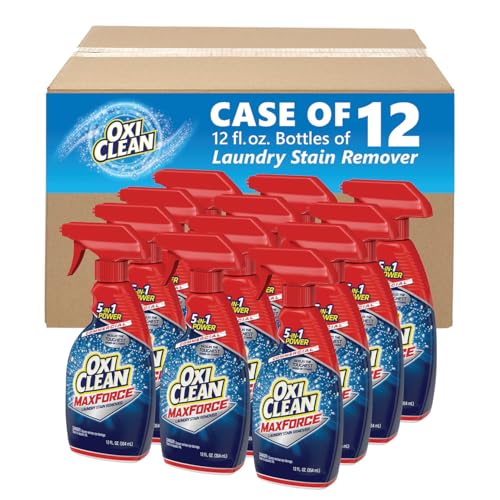


For stubborn stains, consider a baking soda paste. Combine equal parts of water and baking soda, apply it to the area, and let it sit for 15-20 minutes before gently brushing it off. This method is particularly useful for maintaining a fresh look without resorting to harsher chemicals.
Regular upkeep can prevent future stains. Vacuuming the surfaces weekly will help remove dust and debris, extending the lifespan of your soft seats. I often use a brush attachment for a thorough clean without damaging the fibers.
Tips for Lightening Fabric Surfaces
Begin with testing a small, inconspicuous area on the material to ensure color compatibility and fabric integrity. Dilute a safe bleaching agent, such as hydrogen peroxide, in water at a ratio of 1:1. Apply this mixture using a clean sponge or cloth, gently dabbing rather than rubbing. Allow it to sit for 10-15 minutes before rinsing with cold water.
Materials Required
Gather the following items for the process:
| Item | Purpose |
|---|---|
| Hydrogen Peroxide | Lightening agent |
| Water | Dilution |
| Clean Sponge | Application tool |
| Bucket | Mixing solution |
| Soft Cloth | Drying and further cleaning |
Post-treatment Care
Once the lightening process is complete, ensure to wash the area with a mild detergent to eliminate any remaining solution. Follow with a thorough rinse and allow to air dry completely. Maintain the brightness by avoiding direct sunlight and using fabric protectors periodically.
Assessing Fabric Suitability for Bleaching
Begin by identifying the material composition of the textile. Natural fibers such as cotton and linen generally tolerate whitening agents better than synthetic ones like polyester or nylon. Conduct a test patch on an inconspicuous area to observe how the fabric reacts; if the color fades evenly without any adverse effects, proceed with caution.
Check for care labels, which often indicate if the material can handle strong cleaning products. Also, avoid using bleach on fabrics with dark colors or intricate patterns, as this may lead to uneven discoloration. For blends, consider the dominant fiber; if it’s primarily synthetic, refrain from using any whitening solutions.
If the fabric has any stains, treat these specifically before any whitening process. Sometimes a regular cleaning may instead restore its original look without the need for harsher treatments. Always prioritize the integrity of the material to prevent damage.
While testing, use diluted solutions and increase concentrations gradually. This method allows you to assess the fabric’s tolerance without risking significant harm. Once clear on the material’s durability, you can proceed with more confidence in applying any whitening methods.
Gathering Necessary Materials and Tools
Prepare a spray bottle for applying the solution evenly. Choose one that has adjustable settings for mist and stream, allowing for precision control during application.
A mild detergent or special cleaner for fabrics is essential. Select a product that is compatible with the type of material being treated.
Hydrogen peroxide or an oxygen-based stain remover will serve as the main agent for lightening. Be sure to check the concentration levels to ensure safe usage.
Protective gloves are a must. They safeguard your skin and ensure a comfortable experience while handling chemicals.
A soft-bristled brush facilitates even distribution and helps in penetrating the fibers without causing damage.
Microfiber cloths will assist in wiping down the furniture post-application. Use several of these to avoid re-depositing any dirt or residue.
For optimal safety, a well-ventilated area is critical. Open windows or use fans to ensure proper airflow while working.
Lastly, a small container for mixing solutions aids in achieving the correct dilution ratio for the cleaning agent. Always measure carefully.
Preparing the Upholstery for Treatment
Remove any loose items, cushions, or decorative elements from the seating piece before applying any chemicals. This allows for an even and thorough treatment.
I always conduct a test patch in an inconspicuous area to ensure the fabric reacts positively. This step safeguards against unexpected discoloration or damage.
Vacuum the surface thoroughly to eliminate dust, debris, and pet hair. A clean surface ensures better penetration of the solution, enhancing the overall outcome.
For stubborn stains, pre-treat them with a mild cleaner suitable for your fabric type. Blot, don’t rub, to avoid spreading the stain further.
Remove any heavy furniture if possible to create a clear workspace. This not only provides easier access but also prevents accidental contact with unwanted surfaces.
- Check care labels and follow any specific manufacturer instructions.
- Gather materials only after confirming the fabric’s compatibility.
- Use rubber gloves to protect your hands from chemicals.
Choosing the Right Type of Bleach
For tackling stains and discoloration, selecting the appropriate whitening agent is crucial. I favor oxygen-based solutions due to their gentleness on various textiles and efficacy against organic stains. These options tend to be safer and produce less harsh fumes compared to chlorine-based varieties, making them ideal for indoor use.
Liquid formulations often provide better distribution and saturation in the fabric. For heavily stained areas, I opt for a concentrated version that can be diluted based on the instructions. Powdered options can also be useful but may require more effort to dissolve completely in water before application.
For colored materials, I recommend using color-safe whitening products that prevent fading while enhancing brightness. Always check fabric labels to ensure compatibility, as some materials may react negatively even to milder solutions.
Testing a small, inconspicuous area first allows me to gauge the fabric’s response. I proceed if there are no adverse effects, ensuring I follow safety precautions such as wearing gloves. Additionally, considering the environmental impact of the chosen agent is also important to me. Opting for biodegradable products helps in reducing harm to our surroundings.
Always keep in mind the manufacturer’s instructions on dilution and application. Depending on the fabric type, adjusting the concentration may yield optimal results without compromising the material’s integrity.
Testing Bleach on a Hidden Area
Identify a concealed spot on the fabric, ideally in a corner or below a cushion. Apply a small amount of the whitening agent to a cotton swab or a non-abrasive cloth. Dab the agent onto the hidden area; avoid soaking it. Wait for about 10-15 minutes to observe any reaction. Check for color change or damage to the material.
Evaluating the Results
If the color remains stable and there is no degradation, the material is likely safe for treatment. Conversely, if discoloration or deterioration occurs, discard any plans for using the product on the larger area. Always prioritize testing, as some textiles can react unpredictably.
Proceeding with Caution
Should the initial test prove successful, make sure to use the agent cautiously across the visible sections. Consistently monitor as you apply the solution to prevent any adverse reactions during treatment. Maintaining a light approach can help avoid damage while achieving the desired results.
Applying Bleach Evenly for Best Results
To achieve uniformity in lightening, I focus on applying the solution evenly across the target area. Here’s how I do it:
-
Use a Spray Bottle:
I transfer the solution to a spray bottle for controlled application. This allows me to mist the fabric rather than soaking it, preventing oversaturation.
-
Work in Sections:
I divide the surface into manageable sections. This helps maintain consistency and allows me to focus on one area at a time.
-
Maintain Distance:
I hold the spray bottle approximately 6-8 inches away from the fabric to ensure an even distribution of product without pooling.
-
Blend Overlapping Areas:
As I move from one section to the next, I overlap slightly to avoid streaks. This blending technique helps create a seamless look.
-
Rub with a Clean Cloth:
After applying the solution, I gently rub the area with a clean cloth to help the solution penetrate and activate evenly.
-
Monitor the Process:
I regularly check the progress. If I notice any unevenness, I can immediately apply more product to those areas.
Consistency is key for a successful outcome. Paying attention to these steps ensures that the surface lightens uniformly, enhancing the overall appearance. After the process, I always rinse the fabric thoroughly to remove any residual chemicals. This is essential to avoid damage and maintain fabric integrity.
Neutralizing Bleach After Application
To neutralize the chemical agent after application, I mix equal parts of water and white vinegar in a spray bottle. This solution effectively halts the bleaching process. After allowing the product to sit for approximately 5-10 minutes, I generously spray the fabric with the vinegar solution, ensuring complete coverage.
Rinsing the Material
After applying the vinegar mixture, rinsing the surface is vital. I use a clean cloth dampened with cool water to blot and wipe the area thoroughly. This removes both the vinegar solution and any residual chemicals left behind, which is crucial for preventing further damage to the fibers.
Drying the Surface
To finalize the procedure, I ensure that the treated area dries completely. I usually open windows or use fans to enhance air circulation. Proper drying helps maintain the material’s integrity and prevents musty odors or mildew from developing.
Drying and Maintaining the Upholstered Furniture
After completing the lightening process, I ensure that the material dries thoroughly. I place the item in a well-ventilated area, away from direct sunlight to prevent any potential fading or damage. I might use a fan to increase air circulation, which accelerates the drying time.
Once dry, I check for any remaining moisture, as this can lead to unwanted odors or mold growth. To maintain the condition, I vacuum the upholstery regularly to remove dust and debris. Spot-cleaning stains immediately is another practice I follow to keep the appearance fresh.
Preventive Measures
I also consider using a fabric protector spray after the lightening treatment. This not only guards against future stains but can also enhance the durability of the fibers. Periodically brushing the fabric with a soft brush helps to maintain its texture and visual appeal.
Regular Inspections
Every few months, I inspect the piece for signs of wear or discoloration. Addressing issues promptly prevents larger problems down the line. Keeping an eye on stitching and seams is equally important to ensure longevity.
Common Mistakes to Avoid When Bleaching
Skimping on the test patch can lead to disastrous results. I always select an inconspicuous area to confirm the reaction of the fabric before proceeding. Not all materials react the same way, and this step helps prevent visible damage.
Over-saturation is another issue. Applying too much solution can create uneven spots and may even cause fabric loss. I maintain a steady, thin application to ensure consistent results.
I also avoid using harsh agents that are not intended for textiles. Selecting the proper type for the job is critical. Using unsuitable options can cause discoloration or weakening of fibers.
Ignoring safety precautions is a major oversight. Adequate ventilation and protective gear, such as gloves and masks, are non-negotiable. I make sure to create a safe environment each time.
Not neutralizing after application can lead to prolonged chemical reactions. I always rinse thoroughly to halt the process and protect the integrity of the material.
Finally, I steer clear of exposing the treated area to direct sunlight during the drying phase. Ultraviolet rays can lead to unexpected fading. I position the item in a shaded, well-ventilated area to ensure optimum drying conditions.
FAQ:
What are the safest methods to bleach upholstery without damaging the fabric?
To bleach upholstery safely, consider using a diluted solution of hydrogen peroxide or oxygen bleach, which are less harsh than traditional chlorine bleach. Always perform a patch test on a small, inconspicuous area of the fabric first to check for any adverse reactions. Mix one part bleach with ten parts water for a mild solution and apply it with a sponge, then rinse thoroughly. Additionally, using fabric-safe bleach products specifically designed for upholstery can minimize the risk of damage.
Can I use regular household bleach on my upholstered furniture?
Using regular household bleach on upholstered furniture is not recommended, as it can cause fading and damage to the fabric. Instead, opt for color-safe bleach or a natural alternative like vinegar or baking soda. These options are gentler while still helping to lift stains and brighten fabric. Always check the fabric care label to ensure your cleaning method is appropriate for the material.
How do I prepare my upholstery for bleaching?
Before bleaching, vacuum the upholstery to remove any dust and debris. Look for stains and treat them using a suitable stain remover that is appropriate for the fabric type. Ensure the area is well-ventilated and protect surrounding areas with towels or plastic covers. These steps will create a clean slate and help ensure an even bleaching process.
What precautions should I take while bleaching upholstered furniture?
When bleaching upholstery, wear gloves to protect your hands and ensure good ventilation in the room. It’s advisable to wear a mask to avoid inhaling fumes. Make sure to keep pets and children away from the area while you work. Test all bleach solutions on a hidden section of the fabric to check for discoloration or damage beforehand, and always follow up by rinsing the upholstery thoroughly to remove any residual bleach.
Is it possible to restore color to bleached upholstery?
Restoring color to bleached upholstery can be challenging, but it is possible. After bleaching, consider using upholstery dye or fabric paint specifically designed for the type of material. Follow the manufacturer’s instructions for application. Alternatively, reupholstering the furniture is another option to completely change its appearance if dyeing does not yield satisfactory results.
What are the steps to bleach upholstered furniture safely?
To safely bleach upholstered furniture, follow these steps: First, remove any loose dirt and dust by vacuuming the furniture thoroughly. Next, prepare a cleaning solution by mixing a small amount of bleach with water—typically, one part bleach to ten parts water. Before applying the solution to the entire piece, test it on a hidden area of the fabric to check for discoloration or damage. If the test is successful, use a soft cloth or sponge to dab the solution onto the stained areas, avoiding soaking the fabric. Allow it to sit for a few minutes, then rinse with a cloth dampened in clean water. Lastly, let the furniture air dry completely in a well-ventilated space. Always ensure you’re wearing gloves and consider using a mask to protect yourself from fumes. Remember to check the manufacturer’s care label for any specific warnings about bleaching.
Can I use regular household bleach to clean my furniture, or should I opt for a special upholstery cleaner?
Regular household bleach can be used for cleaning upholstered furniture but should be done with caution. It’s crucial to dilute it properly with water to minimize any potential damage and to test it on an inconspicuous area first. Some fabrics may react poorly to bleach, leading to discoloration or degradation. If you’re hesitant about using bleach, or if your furniture is made from delicate materials, you might consider using a specialized upholstery cleaner instead. These products are formulated to clean without the harsh effects of bleach and often come in a variety of options suitable for different fabrics. Ultimately, your choice should depend on the type of upholstery and your comfort level with using bleach.


